Explore FromSoftware's influence, why Lies of P succeeds, and how new combat mechanics are evolving the saturated Soulslike genre.
Beyond the Bonfire: Navigating the Soulslike Subgenre Overload
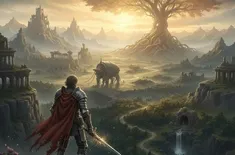
The video game industry is currently caught in the grip of a "Soulsification" era. What began as a niche, experimental challenge with 2009’s Demon’s Souls has ballooned into a market-dominating force. By 2025, the number of games tagged as "Soulslike" on Steam has increased more than forty-fold compared to a decade ago. However, this explosion has led to a palpable sense of genre saturation, where players are increasingly forced to sift through a sea of imitators to find true innovation.
As we analyze this phenomenon, we must look at the roots of the FromSoftware influence, the mechanics that define the genre, and how modern masterpieces like Lies of P are finally moving the needle forward.
The Architecture of Agony: Why Everyone is Copying the Formula
The primary driver behind this gold rush is the undeniable commercial and critical success of FromSoftware. When Elden Ring shattered records and brought the punishing subgenre into the mainstream, it sent a clear signal to AAA and indie developers alike: players want to be challenged.
The "Soulslike" blueprint is seductive because it offers a clear framework for engagement. It relies on a specific loop of Soulslike difficulty that transforms death from a "Game Over" screen into a pedagogical tool. By losing progress upon death—typically a currency like Souls, Ergo, or Amrita—players are forced to engage with the world with a heightened sense of presence.
However, the reason for the current genre saturation isn't just a desire for high sales; it's the elegance of the design. Developers are drawn to:
- Environmental Storytelling: A way to build deep lore without the high cost of cinematic cutscenes.
- Methodical Combat: Moving away from "button-mashing" toward a system where every swing has weight and consequence.
- Interconnected Worlds: Creating a sense of discovery that feels earned rather than given.
The Mechanics of Mastery: Combat and Level Design
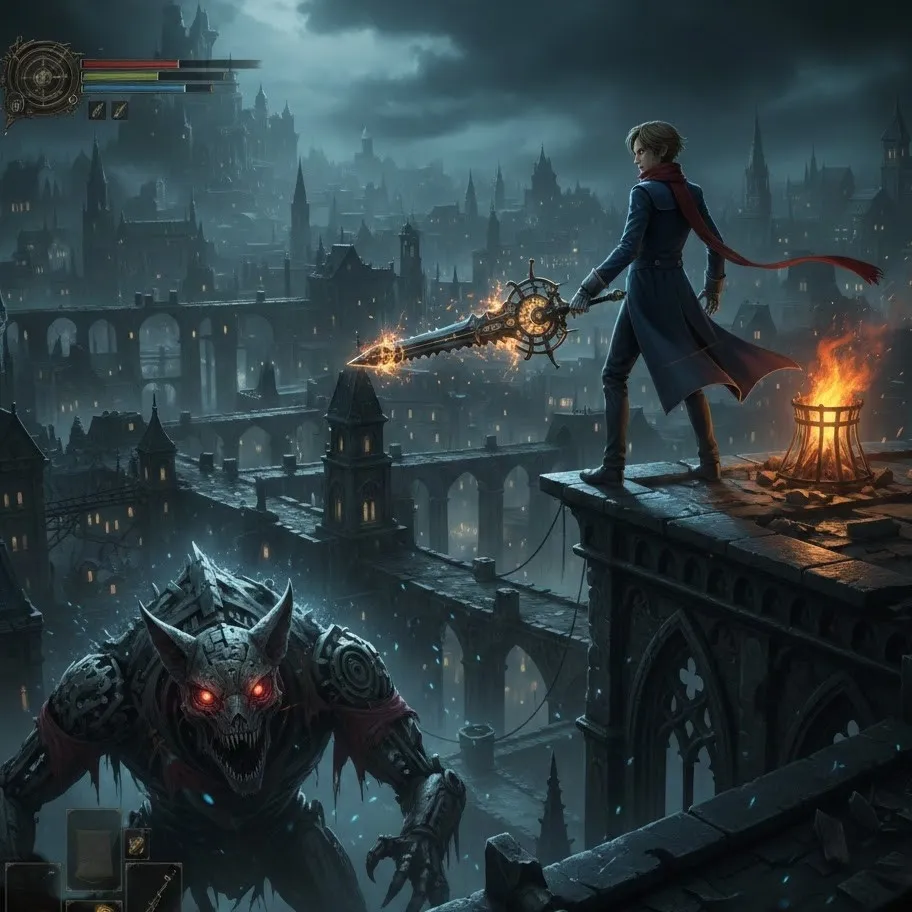
At the heart of any successful entry are the combat mechanics. Early imitators often mistook "unfairness" for "difficulty," leading to a wave of games that felt clunky or frustrating. True Soulslike design, as perfected by Hidetaka Miyazaki, is about rhythm. It is less of an action game and more of a "combat dance" where the player must learn to read telegraphs, manage a stamina bar, and exploit narrow windows of opportunity.
Equally important are the level design secrets that keep players exploring despite the constant threat of death. A well-designed Soulslike level is a puzzle. It uses verticality, "one-way" shortcuts, and hidden bonfires to create a psychological loop of tension and relief. When a player finds a ladder that kicks down to a previous checkpoint, the rush of dopamine is often more satisfying than defeating the boss itself.
In the current landscape, many "overload" titles fail because they treat these elements as a checklist rather than a cohesive philosophy. They include the "bonfire" and the "stamina bar" but forget to build a world that justifies the struggle.
The Evolution: How Lies of P and New Titans Save the Genre
While the market is crowded, a few titles have successfully evolved the formula, proving that there is still room for growth within the punishing genre.
1. Lies of P: The New Gold Standard
Lies of P is perhaps the most significant non-FromSoftware title to date. It didn't just copy the aesthetic of Bloodborne; it refined the combat mechanics by introducing the "Weapon Assembly" system. By allowing players to combine different blades and handles, it added a layer of tactical depth and personalization that was previously missing. Furthermore, its "Lying System" integrated narrative consequences directly into the player's progression, proving that Soulslikes can have a structured story without losing their cryptic charm.
2. The First Berserker: Khazan
Released in 2025, The First Berserker: Khazan has been hailed for pushing the genre’s combat to its absolute limit. It emphasizes a faster, more aggressive style that rewards perfect parries and aggressive pressure, bridging the gap between a traditional Soulslike and a high-octane character action game.
3. Wuchang: Fallen Feathers
This title focuses heavily on level design secrets and atmospheric world-building rooted in Chinese mythology. By iterating on the "shifting world" mechanics seen in games like Lords of the Fallen (2023), it provides a dual-layered exploration experience that keeps the formula feeling fresh.
Is the Bubble Bursting?
The data from late 2024 and 2025 suggests a shift. While the sheer volume of Soulslikes is at an all-time high, the audience is becoming more discerning. Players are no longer satisfied with a "Dark Souls clone"; they are looking for "Souls-lite" accessibility or "Souls-plus" innovation.
The FromSoftware influence will never truly fade, but the era of mindless imitation is coming to an end. To survive the genre saturation, future developers must look beyond the surface-level Soulslike difficulty and find new ways to surprise a player base that has already seen it all.
Key Takeaways for the Future of Soulslikes
| Feature | Traditional Soulslike | The New Wave (Evolution) |
|---|---|---|
| Combat | Stamina-based, methodical | Aggression-based, parry-focused, modular weapons |
| Narrative | Cryptic, item-description based | Direct narrative with moral choices (Lies of P) |
| World | Single-layered interconnectedness | Multi-dimensional or shifting environments |
| Difficulty | Static, punishing | Adaptive challenges and deeper QoL features |