Discover how an AI travel concierge uses GenAI recommendations, predictive planning
The New Era of Travel: AI-Powered Hyper-Personalized Itineraries
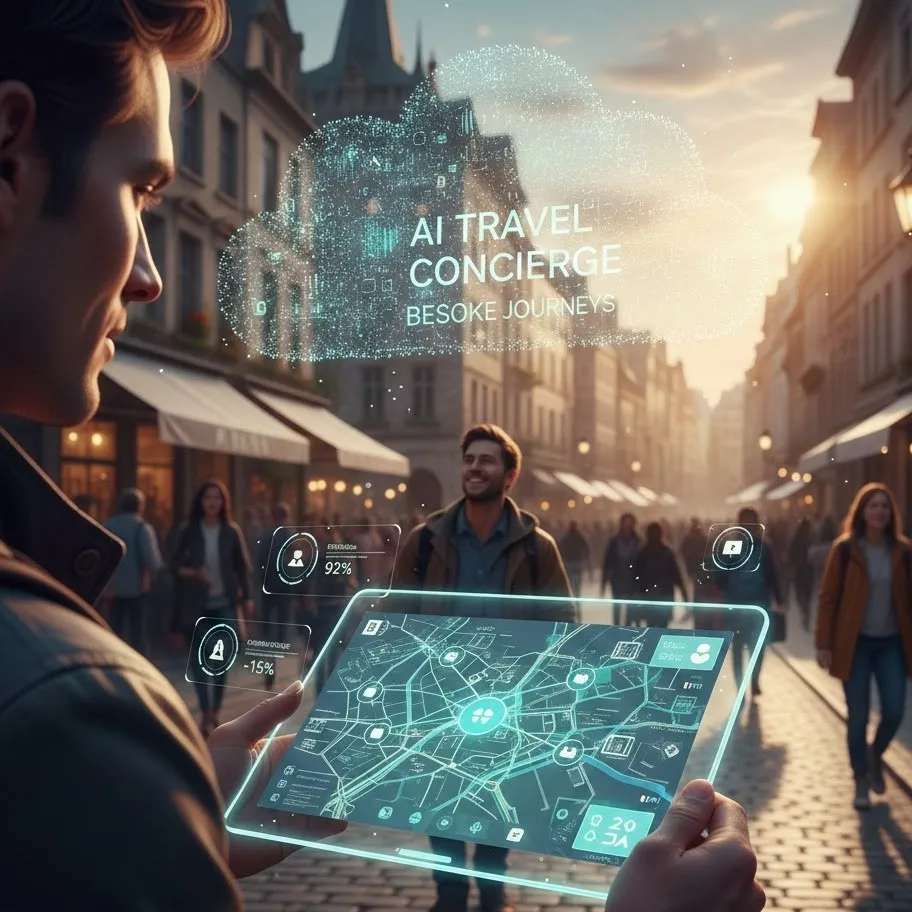
In the not-so-distant past, planning a vacation meant hours of scrolling through static review sites, cross-referencing maps, and settling for "one-size-fits-all" tour packages. Today, the landscape of global tourism is undergoing a seismic shift. We are moving away from generic templates and entering the age of bespoke travel, where every minute of a journey is curated by sophisticated algorithms. At the heart of this revolution is the AI travel concierge, a digital partner capable of crafting a personalized itinerary that doesn't just meet your expectations—it anticipates them.
What is a Hyper-Personalized Itinerary?
A hyper-personalized itinerary is more than just a list of bookings; it is a living, breathing document that evolves with the traveler. Unlike traditional planning, which is reactive, AI-driven systems utilize predictive planning to forecast what a traveler will need before they even realize it. By leveraging GenAI recommendations, these systems can describe experiences in vivid detail, suggesting a hidden jazz club in Paris or a sustainable farm-to-table lunch in Tuscany based on a user’s specific aesthetic and culinary history.
Furthermore, these platforms integrate dynamic pricing to ensure that while the experience is luxury-tier and unique, it remains optimized for the traveler’s budget in real-time. This combination of high-touch customization and high-tech efficiency is defining the next generation of the travel industry.
How AI Analyzes the "Digital You"
The magic of a modern AI travel concierge lies in its ability to synthesize massive amounts of unstructured data. To create a truly unique trip, the AI looks beyond simple search queries.
1. Decoding Past Behaviors
AI doesn't just remember that you went to Italy last year; it remembers that you skipped the crowded museums in favor of long walks in the Borghese Gardens. By analyzing past booking patterns, cancellation habits, and even the "dwell time" on specific types of travel content, the AI builds a psychological profile of your travel persona. If you consistently choose boutique hotels over large chains, your next personalized itinerary will prioritize "quiet luxury" and architectural uniqueness.
2. Social Media and Aesthetic Sentiment
Social media is the modern-day mood board. Advanced GenAI recommendations now involve analyzing a user’s public social media interactions. If you’ve recently "liked" minimalist interior design or "saved" videos of remote Nordic cabins, the AI recognizes this aesthetic shift. It uses computer vision and natural language processing (NLP) to understand the vibe you are chasing, incorporating those visual cues into its bespoke travel suggestions.
3. Real-Time Event Integration
Static itineraries fail the moment a flight is delayed or a sudden rainstorm hits. AI-powered planning is different. It monitors real-time events—such as weather shifts, local festivals, traffic congestion, and even trending pop-up shops—to offer spontaneous adjustments. If a local street food festival suddenly trends in the neighborhood you are visiting, your AI travel concierge can send a push notification: "The museum is currently at peak capacity, but a highly-rated local market just opened two blocks away. Would you like to swap?"
The Engine Behind the Journey: Predictive Planning and Dynamic Pricing
To make these itineraries work, two back-end technologies must operate in perfect harmony: predictive planning and dynamic pricing.
Predictive Planning: Staying Two Steps Ahead
Predictive planning uses machine learning to simulate thousands of potential outcomes. It accounts for variables like:
-
Transit Fatigue: Predicting when you will be tired and suggesting a low-energy activity (like a spa or a quiet cafe).
-
Crowd Avoidance: Analyzing historical and real-time data to suggest visiting popular landmarks at the exact moment foot traffic is lowest.
-
Spontaneous Discovery: Identifying "hidden gems" that align with your interests but haven't been over-saturated by influencers yet.
Dynamic Pricing: Value in Real-Time
The financial aspect of travel is often the most stressful. AI removes this friction through dynamic pricing models. These algorithms monitor global supply and demand, currency fluctuations, and seat inventory across airlines and hotels.
For the traveler, this means the AI travel concierge can identify the "sweet spot" for booking. It might suggest shifting your departure by six hours to save $400, which can then be re-allocated into a private guided tour—a hallmark of bespoke travel that balances cost-efficiency with high-value experiences.
Constantly Optimizing: The Feedback Loop
The most impressive feature of AI-powered hyper-personalized itineraries is that they never stop learning. Every time you accept or reject a suggestion, the AI refines its model. If the AI travel concierge suggests a vegan restaurant and you choose a steakhouse instead, it instantly updates your profile.
This creates a "flywheel effect." The more you travel with AI, the more the personalized itinerary feels like it was written by a lifelong friend who knows your deepest preferences. By the time you reach your third or fourth AI-assisted trip, the level of bespoke travel becomes indistinguishable from a high-end human travel agent, but with the speed and data-processing power of a supercomputer.
Conclusion: The Future of Your Next Trip
The era of spending weekends planning a single week of vacation is over. With the rise of the AI travel concierge, travelers are empowered to reclaim their time and enjoy truly unique experiences. Through the clever use of predictive planning, the creative potential of GenAI recommendations, and the economic savvy of dynamic pricing, the industry is finally delivering on the promise of truly bespoke travel.
Whether it’s a spontaneous weekend getaway or a meticulously planned month-long expedition, the personalized itinerary of the future is here—and it’s smarter, faster, and more "you" than ever before.