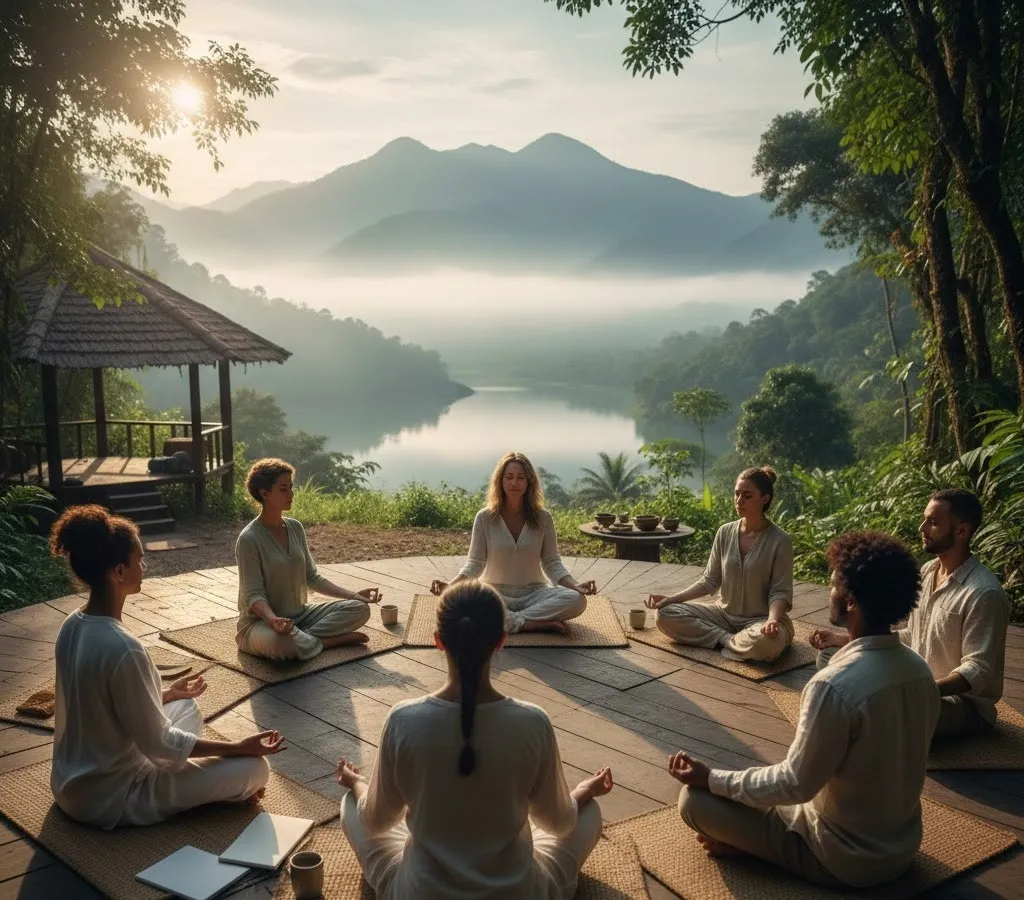
Discover transformative mental wellness journeys & specialized retreats.
Travel as Therapy: Journeys for Mental Wellness and Deep Healing
The fast pace of modern life, characterized by relentless digital demands and professional pressure, has elevated chronic stress and led to a global rise in burnout. In this landscape, the purpose of a vacation is shifting from mere leisure to a conscious tool for self-improvement and psychological repair. The emerging concept of Travel as therapy offers a powerful and deliberate approach to well-being, transforming holidays into structured mental wellness journeys. This isn't just about escaping; it's about engaging in proactive and often intensive recovery to restore balance and resilience.
The Transformative Power of Therapeutic Travel
At its core, therapeutic travel is about harnessing the inherent benefits of a new environment and experience to facilitate profound personal and psychological health focus. By deliberately stepping outside of one's familiar routine and comfort zone, travelers activate cognitive pathways that remain dormant in the monotony of daily life.
Scientific Foundations for a Healing Journey
Research across psychology and neuroscience increasingly supports the idea that travel has tangible benefits for the mind. Exposure to new environments stimulates the brain's reward center, leading to the release of dopamine, which naturally elevates mood. Furthermore, distancing oneself from daily stressors—work emails, demanding commutes, domestic obligations—significantly reduces cortisol, the primary hormone associated with chronic stress.
-
Reduction in Cortisol: Stepping away from the routine environment provides immediate stress reduction travel, which helps lower elevated cortisol levels, combating the physical and mental fatigue that often precedes burnout prevention.
-
Cognitive Flexibility: Navigating new cultures, languages, and logistics enhances cognitive flexibility and problem-solving skills, leading to an increased sense of self-efficacy and confidence.
-
Perspective Shift: Immersing in a different culture naturally challenges assumptions and fosters empathy. This new perspective allows individuals to re-evaluate their own life's challenges from a distance, promoting greater gratitude and clarity.
-
Mindfulness and Presence: The novelty of a new place forces attention to the immediate surroundings—the smell of a spice market, the sound of a foreign language, the texture of an ancient stone wall. This spontaneous engagement encourages a state of mindfulness, pulling the individual out of rumination over the past or anxiety about the future.
Beyond the Tourist Trail: Specialized Retreats for Deep Recovery
While any vacation can offer temporary relief, the true essence of travel as therapy lies in experiences specifically designed with a therapeutic goal. These are not typical resorts; they are specialized retreats—intensive programs meticulously curated for deep healing and personal transformation.
Trips Designed with a Specific Therapeutic Goal
These journeys are often structured, intensive, and outcome-oriented. They move beyond basic relaxation to focus on fundamental psychological restoration.
-
Led by Licensed Professionals: Many such trips are guided by psychologists, certified therapists, life coaches, or wellness practitioners. The presence of a licensed professional elevates the experience from a self-help holiday to a clinical-adjacent, supportive intervention. This allows for in-depth, structured group sessions, one-on-one counseling, and integration workshops designed to process emotional blockages and set actionable goals.
-
Focusing on Intense Recovery Techniques: The itineraries are built around specific modalities proven to aid in emotional and mental recovery. Examples include:
-
Silent Meditation Retreats: Offering complete solitude and silence, these retreats allow for deep introspection, often in serene, remote natural settings. The silence serves as a powerful contrast to the constant noise of daily life, facilitating profound self-discovery.
-
Somatic Experience Workshops: These programs use movement, breathwork, and body-awareness practices (like trauma-informed yoga or expressive dance) to help release stored tension and emotional trauma from the body.
-
Digital Detox Programs: In response to modern anxiety, these retreats enforce a strict disconnection from all electronic devices, allowing the brain to fully reset from the constant stimulation of screens and notifications. The focus is shifted to nature immersion, reading, and interpersonal connection.
-
-
Intensive Workshops: These can range from grief and loss processing to self-compassion training, conducted over several days in an immersive setting. The separation from home allows participants to fully commit to the difficult but rewarding work of emotional processing without the interruptions of everyday life.
Key Pillars of Mental Wellness Journeys
For a trip to genuinely function as a form of therapy and not just a break, it must incorporate several key components that support sustained well-being.
1. Nature Immersion (Ecotherapy)
There is a profound, well-documented link between time spent in nature and improved psychological health focus. Destinations emphasizing nature—forests, mountains, or secluded coastlines—harness the principles of Ecotherapy. Activities like forest bathing (Shinrin-yoku), nature walks, and wildlife observation reduce rumination and anxiety. The vastness of nature helps to put personal problems into perspective, promoting a sense of calm and insignificance in a humbling, positive way.
2. Mind-Body Connection Practices
To effectively tackle stress reduction travel and facilitate deeper healing, wellness journeys integrate practices that connect the mind and body.
-
Yoga and Meditation: Not merely fitness or relaxation, but tools for self-regulation. Morning and evening practice, especially when conducted by master teachers in tranquil settings, can rewire the stress response system.
-
Holistic Treatments: Ayurveda, traditional Chinese medicine, thermal baths, and massage therapies are used to treat the body as part of the overall emotional landscape, promoting physical detox that aids mental clarity.
3. Purposeful Activity and Skill-Building
Therapeutic travel often includes learning a new skill or engaging in purposeful work, which counters the sense of helplessness that accompanies burnout.
-
Voluntourism: Engaging in community projects, conservation work, or teaching in a new place provides an immediate sense of contribution and purpose, fulfilling a core human need that is often neglected in consumerist leisure travel.
-
Creative Workshops: Cooking classes, pottery, or painting workshops in a foreign setting engage the creative mind, which is a powerful antidote to analytical burnout prevention stress. These activities allow the mind to enter a state of ‘flow,’ a psychological term for being completely absorbed in an activity, which is deeply restorative.
Addressing the Root Causes: Burnout Prevention and Stress Reduction
Burnout prevention is a major motivator for people seeking travel as therapy. Burnout is a state of emotional, physical, and mental exhaustion caused by prolonged or excessive stress. A well-designed therapeutic journey targets the symptoms and, more importantly, the underlying causes.
Breaking the Cycle of Over-Functioning
The novelty and inherent challenges of travel—even simple things like deciphering a bus schedule or ordering food—force the traveler to be present and break away from the mental scripting of their daily to-do lists. This involuntary interruption of the over-functioning mindset is highly effective for stress reduction travel.
The Art of Slow Travel
To maximize the therapeutic benefit, the concept of "slow travel" is essential. Rushing from one sight to the next creates the very stress the traveler is trying to escape. Mental wellness journeys advocate for spending more time in fewer places, allowing for true acclimatization, deeper engagement with the local culture, and, most importantly, space for unscheduled downtime. This space is where reflection, journaling, and emotional processing happen organically.
The Future of Travel: A Focus on Psychological Health
As the conversation around mental health becomes more normalized, the travel industry is adapting to meet the demand for intentional, healing experiences. The rise of specialized retreats focused on intensive recovery techniques, guided by professionals, signals a shift away from purely hedonistic vacations toward purposeful, self-investment journeys.
The deliberate choice to embark on travel as therapy is an act of empowerment. It is a commitment to one's psychological health focus, recognizing that true well-being requires periodic, deep recalibration. These mental wellness journeys offer more than just a temporary break; they provide the space, structure, and professional guidance needed to integrate lasting tools for stress reduction travel and permanent burnout prevention, ultimately leading to a more resilient and fulfilled life long after the passport is put away.