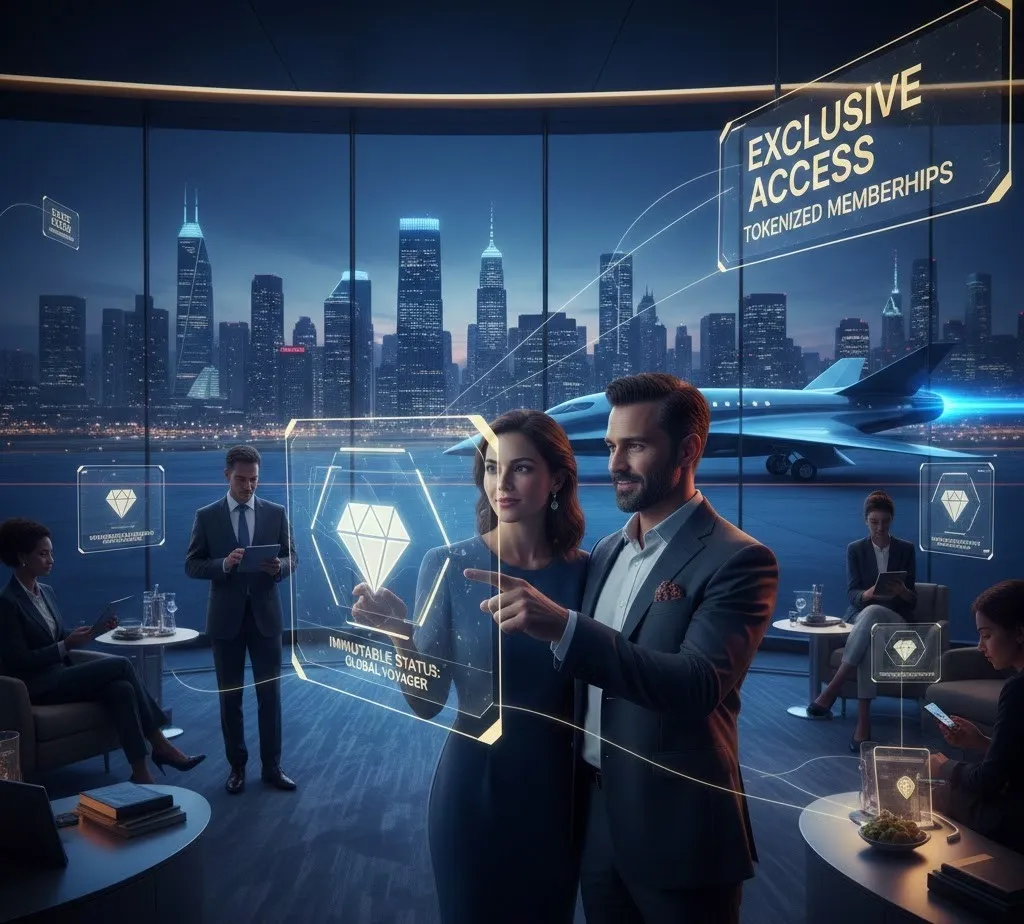
Unlock exclusive access and immutable status with blockchain travel rewards.
The Future of Customer Engagement: NFT and Blockchain-Powered Loyalty Programs
The traditional loyalty program—a plastic card, a points balance that expires, and generic discounts—is rapidly approaching obsolescence. In a hyper-connected, digital-native world, consumers demand experiences that are personal, valuable, and dynamic. The convergence of blockchain technology and Non-Fungible Tokens (NFTs) is not just an incremental improvement; it is a complete revolution, fundamentally redefining the relationship between a brand and its most dedicated customers.
This new paradigm transforms ephemeral reward points into tangible, verifiable digital assets, effectively turning loyal customers into stakeholders. By embedding utility, ownership, and tradability into the core of their rewards systems, companies are unlocking unprecedented levels of engagement, building powerful communities, and forging deeper, more meaningful brand connections. This content explores the mechanics, advantages, and transformative potential of NFT loyalty programs and their application in the modern, decentralized economy.
The Broken Model of Traditional Loyalty
To appreciate the power of blockchain solutions, one must first understand the chronic shortcomings of legacy loyalty programs:
-
Expiration and Devaluation: Reward points often expire, leading to consumer frustration and billions of dollars in unrecognized liabilities on company balance sheets. The inherent value is controlled entirely by the issuing company and can be devalued without warning.
-
Lack of Transferability: Points are typically locked within a single brand’s ecosystem, limiting a customer’s utility and freedom. This fragmentation forces consumers to manage multiple, siloed accounts.
-
Low Engagement: Generic, one-size-fits-all rewards often fail to motivate modern, discerning customers, resulting in high churn and points that are never redeemed.
Blockchain and NFTs directly address these issues by introducing concepts of true digital ownership, verifiable scarcity, and cross-platform utility.
The Blockchain Backbone: Trust, Transparency, and Decentralization
At its core, a decentralized loyalty program is powered by a distributed ledger. Blockchain technology provides a robust, tamper-proof system for recording and managing loyalty transactions.
The Role of Smart Contracts
Instead of relying on a central database, blockchain loyalty systems utilize smart contracts—self-executing programs that automatically enforce the rules of the loyalty program. These contracts govern the issuance of rewards, define the utility of tokens, and manage the transfer of assets without the need for an intermediary. This automation dramatically reduces administrative costs and improves operational efficiency.
Tokenized Rewards: Fungible vs. Non-Fungible
In this new ecosystem, rewards exist as tokenized memberships on the blockchain.
-
Fungible Tokens (Utility Tokens): Similar to traditional points, but with a crucial difference—they are transferable and can potentially be exchanged for other tokens or cryptocurrency. These might represent a brand’s standard reward currency, offering enhanced utility through a wider exchange network.
-
Non-Fungible Tokens (NFTs): These are the true game-changers. Unlike fungible points, an NFT is a unique, one-of-a-kind digital asset. It cannot be replicated or divided. This intrinsic uniqueness allows a brand to represent distinct tiers, achievements, and assets with verifiable scarcity. Examples include a digital collectible, a lifetime membership pass, or a blockchain travel rewards certificate.
Leveraging Non-Fungible Tokens for Elite Status and Exclusive Access
The most potent application of NFTs in loyalty programs lies in their ability to bestow permanent, transferable, and verifiable elite status and exclusive access to luxury services or events. This concept fundamentally shifts the notion of elite status from a rented privilege to a genuine, tradeable asset.
1. Permanent and Immutable Status
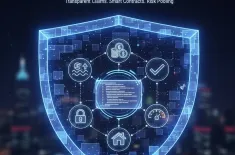
When a brand grants a customer a "Gold Tier" NFT membership, that status is recorded on the blockchain. This digital credential is an immutable status—it cannot be revoked, devalued, or made to expire at the whim of the brand.
-
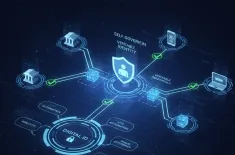
The Power of Ownership: The customer truly owns their elite status, verified by the digital signature of the brand on the public ledger. If the brand closes its traditional loyalty program, the NFT still exists in the customer’s digital wallet, potentially retaining value based on its rarity and associated perks.
-
Verification: The blockchain serves as a transparent, global verification system. For example, a luxury hotel chain no longer needs a centralized database to verify a VIP guest; the guest simply presents the NFT from their digital wallet, and the smart contract verifies their ownership and associated benefits instantly.
2. Transferable and Tradeable Assets
Traditional elite status is non-transferable, locking the benefit to one individual. NFT memberships, however, are tradeable digital assets.
-
Secondary Market Value: A "Lifetime Diamond Member" NFT from a prestigious airline or a "VIP Pass" from a luxury fashion house can be sold on an NFT marketplace. The token’s value is dictated by the market, reflecting the scarcity and desirability of the underlying utility. This introduces a new financial incentive for customers, turning their loyalty into an appreciating, liquid asset.
-
New Revenue Streams for Brands: Brands can earn a royalty every time the NFT is resold on the secondary market. This creates a perpetual revenue stream tied to the enduring desirability of their tokenized memberships.
3. Exclusive Access and Utility
NFTs are inherently programmable, meaning they can serve as digital keys that unlock specific, tiered utilities. This provides a mechanism for truly providing exclusive access.
-
Luxury and Hospitality: A travel NFT could grant its holder exclusive access to VIP airport lounges, guaranteed room upgrades at a five-star hotel, or invitations to closed-door events. An example might be a "Concierge Level" NFT that provides a dedicated, 24/7 personal assistant service for one year, verifiable upon presentation of the token.
-
Fashion and Retail: NFT holders can gain early access to limited-edition "drops" (physical or digital), unique collaborative experiences, or voting rights on future product designs. Brands like Nike and Starbucks have pioneered this, using NFTs as digital "stamps" or "keys" that gamify the loyalty experience and unlock unique, tangible rewards.
Implementation: The Customer Journey in the Web3 Era
The integration of NFTs and blockchain into a loyalty program requires a re-imagining of the customer journey:
-
Onboarding and Earning: A customer joins the program and, instead of a plastic card, receives a non-custodial digital wallet. Purchases or specific actions (e.g., social sharing, referrals) trigger a smart contract to issue a fungible utility token (points) or an achievement-based NFT.
-
Tier Progression: As the customer accumulates value or completes milestones, they are granted a higher-tier NFT—a tokenized membership that permanently represents their status. This could be a "Silver Key," "Gold Plaque," or "Diamond Shard" NFT.
-
Utility and Redemption: The NFT acts as a digital key. Holding the "Gold Plaque" automatically grants the customer exclusive access to a concierge service, discounted rates, or early product windows. Since the status is an immutable status on the blockchain, the benefits are instantaneously verifiable by any program partner.
-
Transferability and Liquidity: If the customer decides to switch brands, they do not simply forfeit their accumulated loyalty. They can sell their "Gold Plaque" NFT on a secondary market, recouping the financial value of their earned status. This is the ultimate form of decentralized loyalty, giving the customer true control over their assets.
Case Study: Revolutionizing Blockchain Travel Rewards
The travel and hospitality sector is perfectly suited for this innovation. Traditional airline miles and hotel points are notoriously fragmented and difficult to use across partners.
Imagine a premium airline and hotel group launching a joint NFT loyalty program. The customer earns a "Global Voyager" NFT by flying a certain number of miles. This NFT grants:
-
Permanent Elite Status: Their tier is locked on the blockchain, a verifiable immutable status that never expires.
-
Interoperable Benefits: The same "Global Voyager" NFT instantly grants exclusive access to both the airline’s VIP lounges and the hotel group’s executive floors, verified by scanning the NFT in their wallet. This solves the problem of cross-brand loyalty management.
-
Transferable Status: If a frequent business traveler retires, they can sell their valuable "Global Voyager" NFT to another high-net-worth individual, ensuring the value of their decades-long NFT loyalty remains liquid. This secondary market value effectively makes the reward program a financial asset.
Conclusion: The New Brand-Stakeholder Relationship
The shift to NFT and Blockchain-Powered Loyalty Programs is fundamentally about changing the power dynamic from the brand to the customer. By transforming rewards from liabilities into tokenized memberships and status from a temporary rental into an immutable status and tradeable asset, brands are creating a more valuable, transparent, and engaging customer experience.
The integration of verifiable, non-fungible digital assets ensures that exclusive access and elite perks are permanent and transferable, making loyalty an investment for the customer. As more industries, from luxury retail to blockchain travel rewards, embrace this technology, the era of the plastic card and expiring points will fade, replaced by a system of true digital ownership, community-driven value, and a fully decentralized loyalty future.