Learn how to use daily routines, authenticity, and lifestyle integration to create relatable content that demonstrates your product's natural utility.
The Power of "Day in the Life" Product Integration: A Guide to Authentic Marketing
In the modern digital landscape, consumers have developed a "sixth sense" for traditional advertising. The flashy, over-produced commercials of the past are often met with scrolls and skips. Today’s audience craves authenticity. They don't want to be sold to; they want to see how a product solves a problem, enhances a feeling, or fits into a world they recognize.
This shift has given rise to the most effective strategy in social media marketing: The "Day in the Life" (DITL) Product Integration.
What is "Day in the Life" Product Integration?
At its core, "Day in the Life" integration is about weaving your product seamlessly into a real or relatable daily routine. Whether it’s a morning skincare ritual or a cluttered work-from-home setup, this method demonstrates a product’s natural utility.
Instead of a static image of a water bottle, a DITL video shows that bottle being filled at 7:00 AM, sitting on a yoga mat at 8:00 AM, and tucked into a car cup holder during a school run. This is lifestyle integration at its finest.
The Core Pillars of Successful Integration
To master this format, creators and brands must focus on several key psychological and aesthetic drivers.
1. Establishing a Relatable Daily Routine
The magic of DITL content lies in the mundane. When a creator shares their daily routine, they provide a mirror for the viewer. If the viewer sees themselves in the messy hair, the morning coffee struggle, or the mid-afternoon energy slump, they are more likely to trust the solution presented.
2. The Power of Authenticity
In an era of filters, authenticity is currency. High-production sets are being replaced by "lo-fi" aesthetics—raw lighting, unscripted commentary, and real-life environments. When a product appears in a cluttered kitchen rather than a sterile studio, it gains trust through genuine use.
3. Behind-the-Scenes Access
People are naturally curious. Behind-the-scenes content satisfies that curiosity by showing the "how" and "why" behind a lifestyle. It humanizes a brand. Instead of just showing the finished result, show the process of using the product, including the small, imperfect moments that occur during use.
Why "Day in the Life" Works: The Psychology of "Genuine Use"
Why does seeing a creator use a vacuum cleaner in their actual living room perform better than a professional demo? It comes down to relatable content and the concept of genuine use.
- Social Proof: Seeing a real person use a product in their natural habitat provides immediate social proof.
- Reduced Resistance: Because the product is part of a narrative, the viewer's defensive walls stay down.
- Practical Context: It answers the question, "How does this fit into my life?"
Strategic Examples of Lifestyle Integration
The Morning Skincare Ritual
Imagine a video titled "Get Ready With Me: 6 AM Productive Morning." The creator doesn't stop the video to give a sales pitch. Instead, as they talk about their plans for the day, they apply a moisturizer. They mention how it feels on their skin after a short night's sleep. This demonstrates natural utility without breaking the flow of the story.
The Work-From-Home (WFH) Setup
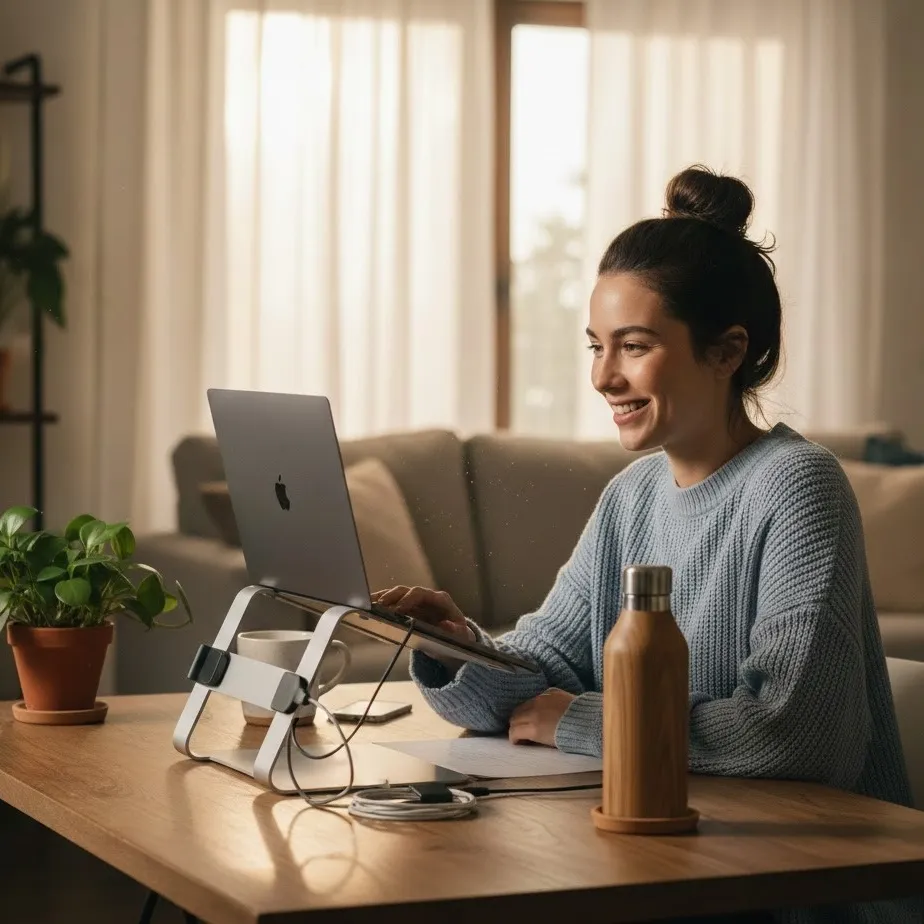
For tech and office brands, the WFH niche is a goldmine for lifestyle integration. A DITL video might show a creator struggling with cable management or neck pain. When they introduce an ergonomic stand or a cable organizer, it’s not an "ad"—it’s a relief. It becomes a vital part of their professional daily routine.
How to Create Relatable DITL Content (Step-by-Step)
- Identify the "Pain Point" in the Routine: Where does your product provide the most value?
- Focus on Narrative, Not Features: Show how the product saves time, reduces stress, or adds beauty.
- Maintain High Aesthetic, Low Production: Use natural light to reinforce the feeling of genuine use.
- Engage with the "Micro-Moments": The most relatable content often happens in the transitions.
The Future of Brand Storytelling
As we move further into 2026, the line between "content" and "advertising" will continue to blur. The brands that win will be those that master the art of being "invited" into the consumer's life rather than "interrupting" it.
By focusing on authenticity, behind-the-scenes transparency, and genuine use, you create a bond with your audience that transcends a simple transaction. You aren't just selling a product; you are contributing to their daily routine.
Seo Meta Title: Product Integration: Authenticity in a Daily Routine
Seo Meta Description: Discover how lifestyle integration and behind-the-scenes content drive genuine use. Use relatable content in a daily routine to boost brand authenticity.