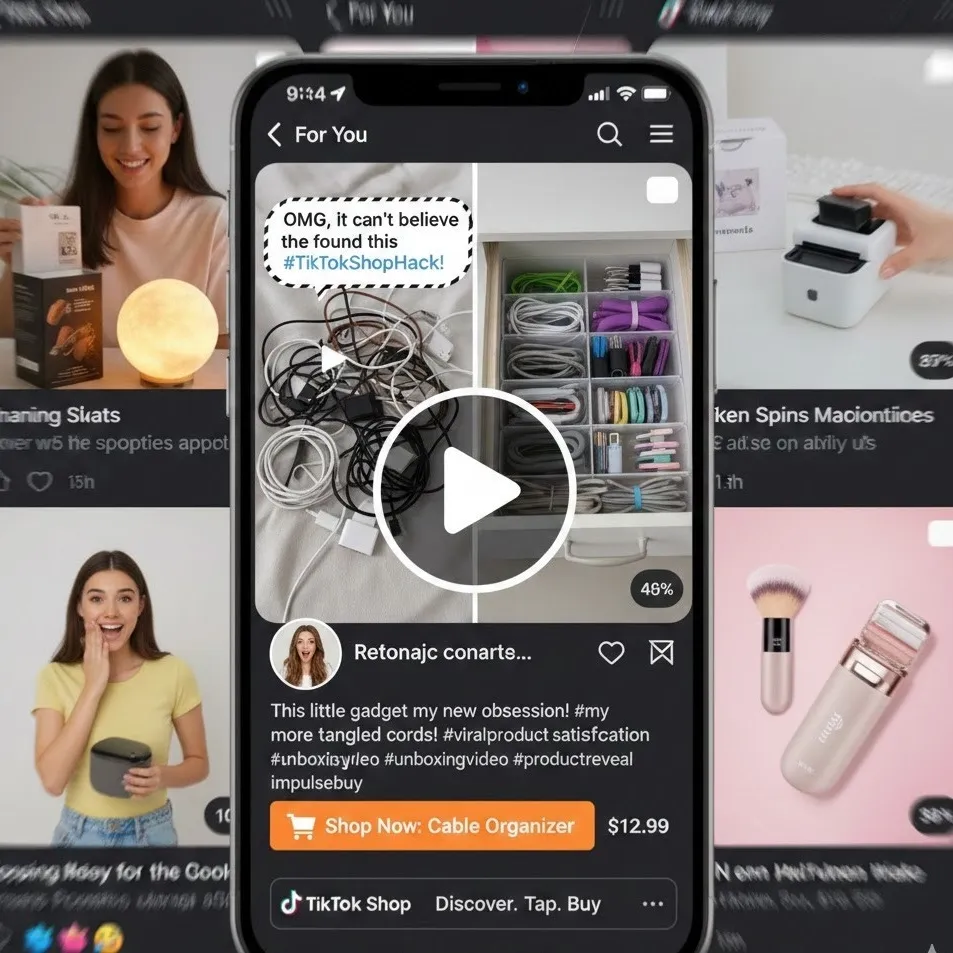
Learn how to create a viral product reveal and unboxing video that triggers an impulse buy through instant satisfaction.
The "TikTok Made Me Buy It" Formula: Decoding the Science of Viral Sales
In the modern digital landscape, the phrase "TikTok made me buy it" has evolved from a catchy hashtag into a billion-dollar psychological phenomenon. It represents the pinnacle of frictionless commerce, where a 15-second clip can transform a passive scroller into an active consumer in the blink of an eye.
But what makes a viral product? Is it pure luck, or is there a reproducible blueprint?
The answer lies in a specific content architecture designed to trigger an impulse buy by bypassing the logical brain and speaking directly to our desire for instant satisfaction. Here is the breakdown of the formula that fuels the TikTok Shop economy.
The Hook: The "Problem You Didn't Know You Had"
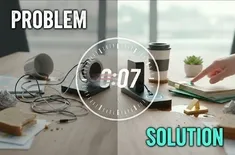
Every high-converting TikTok begins with a "pattern interrupt." The viewer is likely mindlessly scrolling to kill time. To stop the thumb, the video must present a relatable struggle or a visual anomaly within the first 1.5 seconds.
Whether it's a messy kitchen drawer, dull skin, or a tangled mess of charging cables, the goal is to create a micro-tension. The viewer needs to feel a slight discomfort that only the featured product can resolve. This is the foundation of the TikTok shop hack: making the solution feel like a discovery rather than a sales pitch.
The Product Reveal: Visual Dopamine
Once the tension is established, the product reveal must be cinematic yet grounded in reality. High-production studio lighting often performs worse than a raw, handheld shot in a bedroom or kitchen.
The reveal isn't just showing the item; it’s showing the item in action.
- The Sound: The satisfying "click" of a lid or the "shing" of a blade.
- The Aesthetic: Using "ASMR" elements to make the product feel tactile through the screen.
- The Unboxing: A quick, high-energy unboxing video segment can build anticipation, mimicking the "new toy" feeling we all crave.
The Emotional Justification: Bridging Logic and Impulse
Humans buy based on emotion and justify with logic. The "TikTok Made Me Buy It" formula excels at creating a video that emotionally justifies an impulse purchase.
The narrative shouldn't say "Buy this because it's 20% off." Instead, it should say "Buy this because it will save you 10 minutes of stress every morning." By the time the viewer reaches the call to action, they shouldn't feel like they are spending money; they should feel like they are investing in their own well-being or social status.
The Transformation: Before-and-After
The most critical technical element of this formula is showing the immediate before-and-after result. In a world of short attention spans, the "after" must be dramatic.
- Cleanliness: A muddy carpet becoming pristine.
- Beauty: A tired face becoming radiant.
- Organization: A chaotic closet becoming a minimalist dream.
If the result isn't immediate, the impulse dies. The viewer needs to believe that the moment they click "checkout," their life will undergo that same instantaneous transformation.
The Anatomy of a High-Converting Script
| Element | Purpose | Execution |
|---|---|---|
| The Hook | Stop the scroll | "I can't believe I waited this long to try this..." |
| The Discovery | Build authenticity | Use a voiceover that mimics user discovery. |
| The Proof | Build trust | Show the product working in real-time. |
| The "Hack" | Create urgency | Frame it as a "secret" or a limited-stock find. |
The Power of the Authentic Voiceover
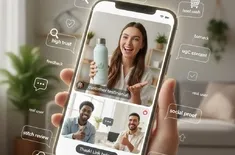
One of the most effective tools in this formula is the use of a voiceover that mimics user discovery. Avoid the "announcer voice" at all costs. Instead, the narration should sound like a frantic FaceTime call to a best friend.
"Guys, I literally just found the coolest thing at the back of the store," or "Wait, stop scrolling, I think I just found the ultimate TikTok shop hack for small apartments."
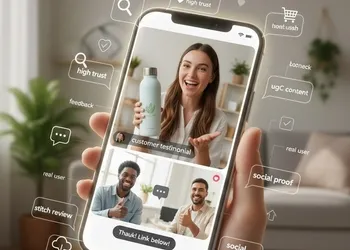
This tone removes the barrier between the "seller" and the "buyer." It feels like peer-to-peer advice, which is far more influential than traditional advertising. It taps into "Social Proof," where the viewer feels that if everyone else is discovering this, they are falling behind by not owning it.
Frictionless Conversion: TikTok Shop
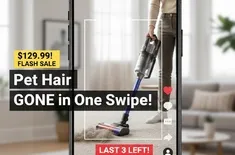
The final piece of the puzzle is the removal of friction. In the past, a user had to leave the app, go to a browser, and search for a product. Now, the TikTok Shop integration allows for a purchase in two taps. This maximizes the instant satisfaction loop. The time between seeing the viral product and receiving the order confirmation is narrowed down to seconds, leaving no room for "buyer's remorse" to set in before the transaction is complete.
Conclusion: The Loop of Consumption
The "TikTok Made Me Buy It" formula is a masterclass in modern psychology. By combining a raw unboxing video, a dramatic product reveal, and a narrative that focuses on instant satisfaction, brands can turn any mundane item into a "must-have" sensation.
The key is to stay human. The moment a video feels like an ad, the magic is lost. But as long as it feels like a genuine "discovery," the impulse buy will remain the engine of the digital economy.