Learn how to show a product solution for instant relief and use visual transformations to turn a relatable pain point into a sale.
Master the 7-Second "Problem/Solution" Hook: The Secret to Viral Conversion
In the modern attention economy, you don’t have minutes to explain your value proposition. You don’t even have thirty seconds. According to recent data, you have exactly seven seconds to capture a viewer’s interest before they scroll past your content.
This narrow window has birthed the most effective framework in digital marketing: The 7-Second "Problem/Solution" Hook. This strategy relies on high-speed visual storytelling to bridge the gap between a consumer's frustration and your product’s promise.
What is the 7-Second "Problem/Solution" Hook?
The 7-second hook is a high-impact video or image sequence designed to trigger an emotional response through a relatable pain point and resolve it instantly.
The structure is simple but scientifically potent:
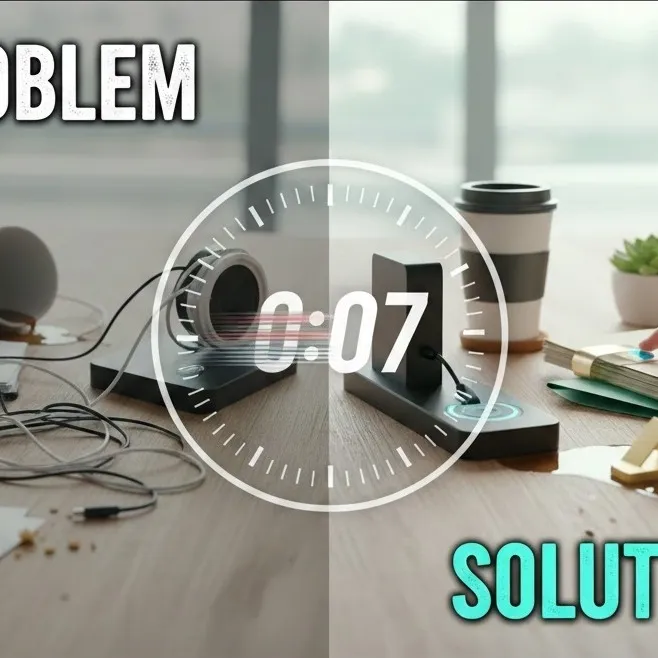
- 0-3 Seconds: Display a chaotic, frustrating, or painful scenario.
- 4-7 Seconds: Introduce the product solution that provides a quick fix.
By the time the viewer realizes they are watching an advertisement, their brain has already associated your brand with instant relief.
The Psychology of the "Instant Fix"
Why does this work? Human brains are hardwired for "negative bias"—we notice problems faster than we notice joys. When you start your content by showing an intense, relatable pain point, such as a cluttered, messy desk or itchy, dry skin, the viewer’s brain releases a small amount of cortisol (the stress hormone).
When you immediately cut to the product solution solving it, the brain experiences a release of dopamine. This rapid transition creates a transformation that makes the viewer feel they need the item to achieve that same sense of peace in their own lives.
Key Content Pillars
To execute this perfectly, your content must hit these specific notes:
- Relatable Pain Point: The problem must be universal. Everyone knows the frustration of tangled headphones or a coffee stain on a white shirt.
- Transformation: The visual contrast between "Before" and "After" must be stark.
- 7-second demo: The product must be shown in action, proving its efficacy in real-time.
Breaking Down the Visual Strategy
1. The "Problem" Phase (The Hook)
Don't be subtle. If you are selling a cleaning product, don't just show a dirty counter—show a counter covered in spilled wine and grime. If you are selling a skincare line, show the raw texture of dry skin under harsh lighting. The goal is to make the viewer say, "That’s me," or "I hate when that happens." This creates an immediate empathetic bond between the audience and the content.
2. The "Solution" Phase (The Payoff)
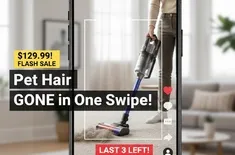
This is where the product solution enters the frame. The transition should be seamless—often a "match cut" or a quick swipe. The viewer should see the transformation happening right before their eyes. A 7-second demo doesn't allow for technical explanations or long lists of ingredients. It focuses purely on the result. The viewer sees the messy desk become organized in a snap, or the dry skin become glowing and hydrated instantly, providing instant relief.
Step-by-Step Guide: Creating Your Own 7-Second Hook
If you are ready to implement this, follow this roadmap to ensure your content converts.
Step 1: Identify the "Nerve" What is the one thing about your industry that drives people crazy? Find that relatable pain point and put it front and center.
Step 2: Film the Transformation Use high-quality lighting for the "After" shot and slightly duller lighting for the "Before" shot. This subconsciously emphasizes the transformation. Ensure the product solution is the hero of the shot.
Step 3: Edit for Velocity There is no room for "fluff." Every frame must serve the story. If a frame doesn't show the problem or the solution, cut it. The 7-second demo should feel fast-paced and energetic.
Conclusion: The Power of Visual Persuasion
The 7-Second "Problem/Solution" Hook is more than just a trend; it is a fundamental shift in how we consume information. By moving from "Tell" to "Show," brands can bypass the skeptical mind and speak directly to the consumer's desire for a better, easier life. Whether it's a messy desk being conquered by a new organizer or dry skin being revived by a serum, the formula remains the same: identify the pain, provide the product solution, and show the transformation in record time.