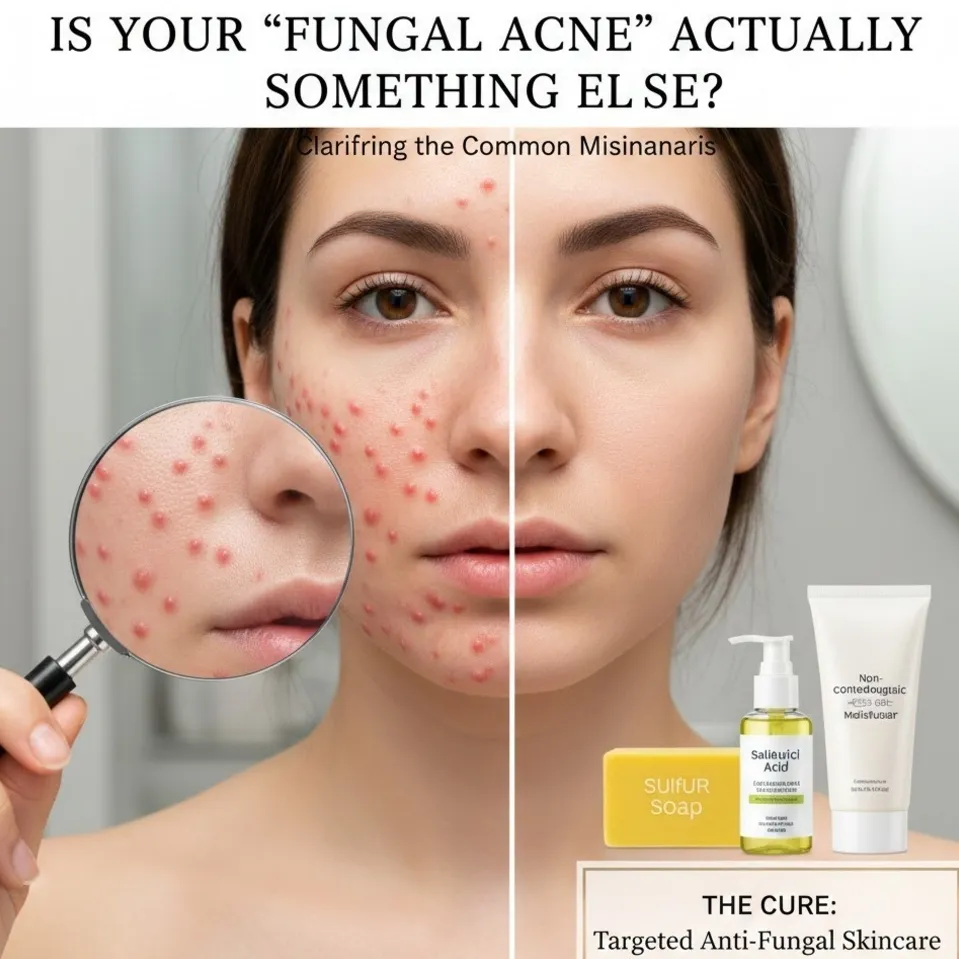
Discover the best fungal acne cure using sulfur and BHA.
Is Your "Fungal Acne" Actually Something Else? Identifying Malassezia Folliculitis
You’ve tried every spot treatment in the drugstore. You’ve used benzoyl peroxide until your skin peeled, and you’ve applied retinoids religiously, yet those tiny, itchy bumps on your forehead or chest won't budge. If this sounds familiar, you might be dealing with a common misdiagnosis.
What many people call "fungal acne" isn't actually acne at all. It is a condition known as malassezia folliculitis, and treating it like regular breakouts can often make the situation worse.
What is Fungal Acne (Malassezia Folliculitis)?
To find a fungal acne cure, we first have to understand what we are fighting. Unlike traditional acne (Acne Vulgaris), which is caused by oil and bacteria (P. acnes), fungal acne is caused by an overgrowth of yeast.
Specifically, it is a yeast infection within the hair follicles. The culprit is Malassezia, a genus of fungus that lives on everyone's skin. Under certain conditions—usually heat, humidity, or a compromised skin barrier—this yeast multiplies rapidly, leading to inflammation.
Fungal Acne vs. Regular Acne: The Key Differences
| Feature | Regular Acne (Vulgaris) | Fungal Acne (Folliculitis) |
|---|---|---|
| Cause | Bacteria & Clogged Pores | Yeast Overgrowth (Malassezia) |
| Sensation | Sometimes painful/sore | Intensely Itchy |
| Appearance | Varying sizes, blackheads, cysts | Uniform, small red bumps |
| Location | Face, back, neck | Forehead, hairline, chest, back |
| Contagious? | No | No, but can spread on the individual |
Why Is This a Common Misdiagnosis?
The primary reason people struggle with this condition for years is that it looks remarkably like "whiteheads" or closed comedones. When a patient sees bumps, they reach for standard acne treatments.
However, many traditional moisturizers and oils contain fatty acids that "feed" the Malassezia yeast. By treating it like regular acne, you might inadvertently be providing the yeast with the fuel it needs to thrive.
The Path to a Fungal Acne Cure: Targeted Ingredients
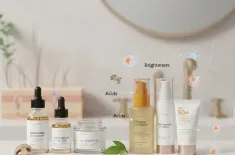
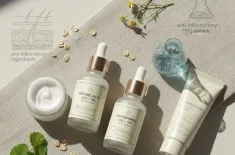
If you suspect your breakouts are fungal, your skincare routine needs a total overhaul. You must eliminate ingredients that feed yeast and introduce "antifungal" warriors.
Sulfur Soap: The Ancient Secret
Sulfur soap is one of the most effective, budget-friendly treatments for fungal overgrowth. Sulfur is keratolytic (it thins the skin) and possesses natural antifungal and antibacterial properties. It helps dry out the inflammation and decreases the yeast population on the skin's surface.
Salicylic Acid (BHA)
While primarily known for clearing pores, salicylic acid is highly beneficial for Malassezia because it is oil-soluble. It penetrates deep into the follicle to remove the excess sebum that the yeast feeds on. Using a BHA liquid can help keep the "environment" of your skin inhospitable for fungal blooms.
Ketoconazole
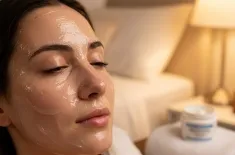
Often found in dandruff shampoos (like Nizoral), Ketoconazole is a powerful antifungal. Many dermatologists recommend using a dandruff shampoo as a "five-minute mask" on the affected areas of the face or body to kill the yeast directly.
The Importance of "Fungal Acne Safe" Products
The most critical step in managing this condition is ensuring every product you use is non-comedogenic and free of yeast-promoting oils.
Malassezia feeds on fatty acids with carbon chain lengths between eleven and twenty-four. This means common ingredients like polysorbates, galactomyces, and most natural oils (coconut, olive, avocado) are strictly off-limits during a flare-up.
Essential Routine Tips:
- Switch to Oil-Free: Use squalane oil (derived from sugarcane) or mineral oil, as these are some of the few lipids that do not feed the yeast.
- Check Your Moisturizer: Ensure it is a gel-based, non-comedogenic formula.
- Stay Dry: Yeast thrives in sweat. Change out of workout clothes immediately and use a clean towel every time you wash your face.
Conclusion
Identifying that your "acne" is actually a yeast infection of the hair follicle is nearly the whole battle. By switching to a routine centered around sulfur soap, salicylic acid, and strictly non-comedogenic products, you can clear malassezia folliculitis much faster than you ever could with traditional acne creams.