Discover the best serums for sensitive, rosacea-prone skin.
The most successful approach to managing chronic redness and inflammation associated with rosacea involves focusing on gentle, proven anti-inflammatory ingredients. Among the crowded field of skincare actives, two ingredients stand out as the non-negotiable pillars for rosacea-prone skin: Azelaic Acid and high-concentration Niacinamide. These powerhouses work to calm inflammation, reduce redness, and strengthen the skin barrier, offering profound relief without the harsh irritation often associated with other potent treatments.
The Dynamic Duo for Rosacea: Azelaic Acid and Niacinamide
1. Azelaic Acid: The Multi-Tasking Anti-Inflammatory Star
Azelaic acid is a naturally occurring dicarboxylic acid found in grains like barley, wheat, and rye. It has been extensively studied and is a common prescription and over-the-counter rosacea treatment due to its multifaceted benefits that directly address the core symptoms of the condition. It is a true game-changer because it delivers potent results without the harsh side effects of many traditional acids.
The Triple-Action Power of Azelaic Acid:
- Anti-Inflammatory Properties: This is arguably its most critical function for rosacea. Azelaic acid is a powerful anti-inflammatory ingredient that significantly reduces the swelling and irritation responsible for the visible redness and flushing. It calms the underlying inflammatory cascade in the skin, leading to long-term redness relief.
- Antimicrobial Action: Rosacea often presents with acne-like bumps and pustules (papulopustular rosacea). Azelaic acid works by inhibiting the growth of bacteria, particularly P. acnes (the acne-causing bacteria), and has been shown to reduce the concentration of Demodex mites, which are often implicated in rosacea flares.
- Keratolytic and Comedolytic Effects: It normalizes the shedding of dead skin cells, helping to unclog pores and refine skin texture without aggressive exfoliation, making it well-tolerated even by highly sensitive skin.
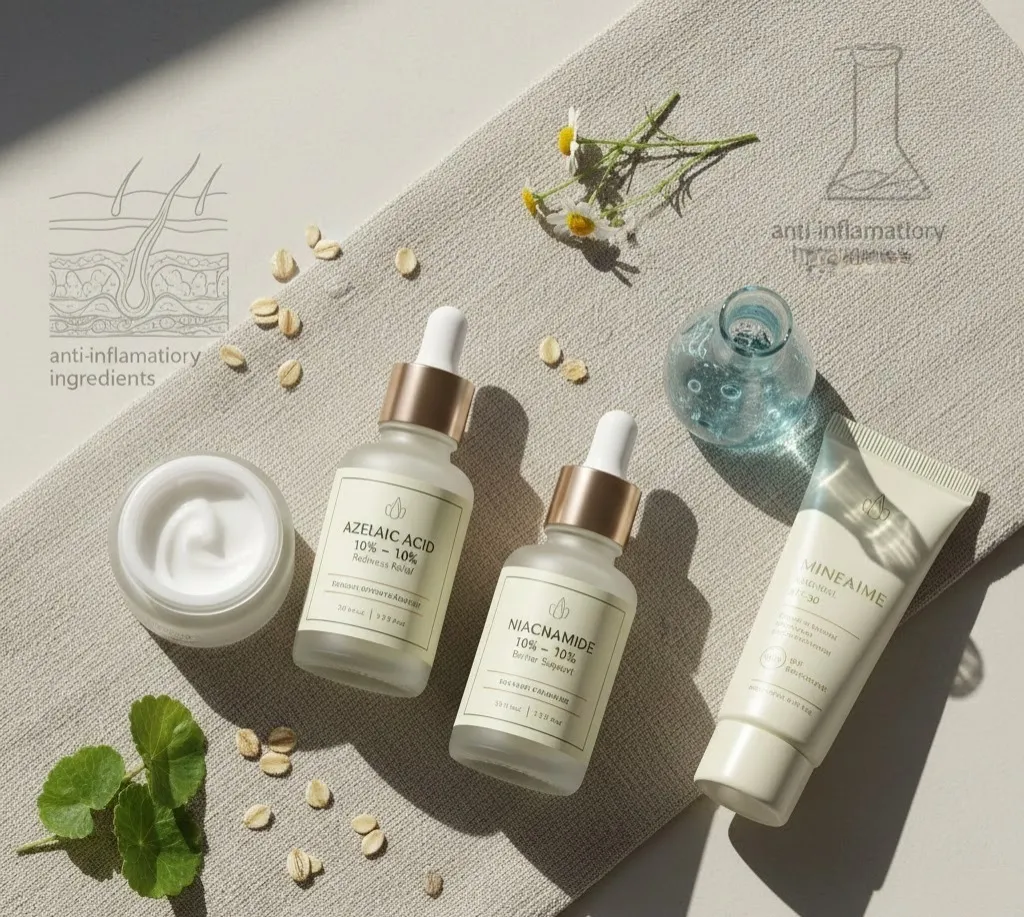
Serums to Look For: For over-the-counter relief, serums typically contain 10% azelaic acid. Higher concentrations (15% or 20%) are usually prescription-only and may be recommended by a dermatologist for more severe cases. A 10% Azelaic Acid formula in a non-irritating, gentle base is an excellent place to start for most individuals with sensitive skin care concerns.
2. Niacinamide: The Barrier-Boosting Resiliency Expert
Niacinamide, also known as Vitamin B3, is a water-soluble vitamin that is one of the most celebrated and highly compatible ingredients in modern sensitive skin care. While it doesn't directly treat rosacea like a prescription drug, its ability to fortify and stabilize the skin barrier makes it an essential supporting player in any effective rosacea treatment plan.
How Niacinamide Provides Redness Relief:
- Skin Barrier Repair: Rosacea-prone skin often has a compromised barrier, leading to increased transepidermal water loss (TEWL) and heightened sensitivity. Niacinamide boosts the production of ceramides, which are vital lipids that hold the skin cells together, effectively sealing the skin barrier. A stronger barrier means less moisture loss and increased resistance to external irritants and triggers.
- Potent Anti-Inflammatory Effects: Similar to azelaic acid, niacinamide exhibits significant anti-inflammatory ingredients qualities. It helps to modulate the skin's immune response, which is often overactive in rosacea sufferers. This translates to a visible reduction in general blotchiness and persistent redness.
- Sebum Regulation and Pore Appearance: Though rosacea isn't strictly an acne condition, many sufferers have oily, congested skin. Niacinamide helps regulate sebum production, which can contribute to a smoother texture and less noticeable pores, improving the overall appearance of the complexion.
Serums to Look For: The optimal concentration for niacinamide in a serum for rosacea-prone skin is typically 5% to 10%. While 10% is considered a high-concentration Niacinamide that delivers maximum benefits, those with extremely reactive skin may need to start with a 5% serum to ensure tolerance. Patch testing is always advised.
Synergistic Power: Using Azelaic Acid and Niacinamide Together
The true genius of these two ingredients lies in their synergistic relationship. Azelaic acid actively treats the chronic inflammation and blemishes of rosacea, while niacinamide focuses on repairing and strengthening the skin's structural integrity. Using a well-formulated serum containing one or both, or layering separate serums, provides a multi-pronged approach to rosacea treatment. The barrier-boosting effects of niacinamide can even help the skin better tolerate the introduction of azelaic acid, making the treatment process smoother and more effective for sensitive skin care.
Beyond the Powerhouses: Other Essential Anti-Inflammatory Ingredients
While Azelaic Acid and Niacinamide are the stars, a supporting cast of gentle, anti-inflammatory ingredients is crucial for holistic redness relief and comfort. When choosing a serum for sensitive skin care, look for formulas that include these calming components:
- Centella Asiatica (Cica) and its derivatives (Asiaticoside, Madecassoside): These extracts are legendary for their wound-healing and soothing properties. They help calm irritation, repair the skin barrier, and significantly reduce redness.
- Bisabolol and Allantoin: These are powerful skin-soothing agents derived from Chamomile and Comfrey plants, respectively. They work quickly to quell immediate inflammation and reduce the sensation of heat or stinging.
- Oat Extracts (Avena Sativa): Colloidal oatmeal is a long-standing dermatologist favourite for irritated skin. It is an excellent anti-inflammatory and antioxidant, often found in serums designed for intense soothing.
- Licorice Root Extract (Dipotassium Glycyrrhizate): This extract contains compounds that inhibit the production of inflammatory mediators, visibly reducing flushing and hyperpigmentation (often a post-inflammatory concern).
- Ceramides and Hyaluronic Acid (HA): While not strictly anti-inflammatory, these ingredients are critical for the overall health of rosacea-prone skin. Ceramides rebuild the barrier, and HA provides non-irritating hydration that plumps and soothes, mitigating the dryness and dehydration often associated with the condition.
What to Avoid in Serums for Rosacea-Prone Skin
Choosing the right serum is as much about what you include as what you exclude. For sensitive, rosacea-prone skin, many common skincare ingredients are potent triggers that can undo all the benefits of your chosen rosacea treatment.
| Ingredient Type | Why It's a Rosacea Trigger | Recommended Alternatives |
|---|---|---|
| Fragrances/Essential Oils | Common allergens and irritants that cause flushing and stinging, even "natural" ones like Lavender, Peppermint, and Eucalyptus. | Fragrance-free, essential oil-free formulas. Look for pure Cica or Bisabolol. |
| Drying Alcohols (SD Alcohol, Denatured Alcohol) | Disrupt the delicate skin barrier, leading to moisture loss, increased sensitivity, and chronic inflammation. | Serums with Cetearyl Alcohol (fatty alcohol) or Glycerin for hydration. |
| Harsh Physical Exfoliants | Scrubs, gritty cleansers, and harsh brushes can cause micro-tears and worsen inflammation and redness. | Gentle chemical exfoliation with Azelaic Acid or Mandelic Acid (very mild AHA). |
| High Concentrations of AHAs/BHAs (Glycolic Acid, Salicylic Acid) | While some can be beneficial, high doses can over-exfoliate and compromise the skin barrier. | Low-concentration Azelaic Acid, or a mild 1% BHA, applied sparingly. |
| Traditional Vitamin C (L-Ascorbic Acid) | The acidic pH required for stabilization can be irritating for many. | Look for gentle, stable Vitamin C derivatives like Magnesium Ascorbyl Phosphate or Tetrahexyldecyl Ascorbate. |
Integrating Serums into Your Sensitive Skin Care Routine
The application of a serum is a key step in a well-curated sensitive skin care regimen. How you apply it is just as important as what you apply. Remember, the goal of all rosacea treatment is to calm the skin, not stimulate it.
The Rosacea-Friendly Routine Order
- Gentle Cleansing (AM & PM): Use a non-foaming, pH-balanced, and fragrance-free cream or gel cleanser. Wash with lukewarm water only, and pat, don't rub, your skin dry with a soft towel.
- Serum Application (Targeted Treatment): This is where your Azelaic Acid or Niacinamide serum comes in. Apply 2-3 drops to your face and gently press or pat the product into the skin. Never rub aggressively. If using both, apply the thinner serum first, waiting a minute before the next layer.
- Moisturizer (Seal and Soothe): Follow with a ceramide-rich, non-comedogenic moisturizer to lock in the serum's benefits and further support the skin barrier. Ingredients like ceramides, hyaluronic acid, and shea butter are excellent.
- Sunscreen (AM Only – Non-Negotiable): Sun exposure is the number one trigger for rosacea. Use a broad-spectrum, mineral-based (zinc oxide and/or titanium dioxide) SPF 30 every single morning. Mineral sunscreens are generally much less irritating than chemical filters for sensitive skin.
Important Application Tips
- Patch Test: Before applying any new serum to your entire face, perform a patch test on a small, inconspicuous area (like behind the ear or under the jawline) for a few days to check for an adverse reaction.
- Start Slow: Begin by using the serum only 2-3 times per week, gradually increasing the frequency as your skin tolerates it. This is especially important for potent actives like Azelaic Acid.
- Listen to Your Skin: If you experience stinging, burning, or increased redness relief, stop immediately and scale back. Your skin is always your best guide.
Conclusion: Serums as the Cornerstone of Rosacea Management
Managing rosacea and sensitive skin care requires patience, diligence, and, most importantly, the right tools. Serums, with their targeted delivery of high-impact ingredients, are the cornerstone of an effective regimen. By Focusing on gentle, proven anti-inflammatory ingredients like Azelaic Acid and high-concentration Niacinamide to manage chronic redness and bumps, you can significantly reduce the severity and frequency of flare-ups.
Azelaic acid directly combats the underlying causes of bumps and redness, while niacinamide strengthens the skin's defense system, providing crucial redness relief and resilience. Coupled with a gentle routine that strictly avoids common irritants, a well-chosen serum provides a path to calmer, more comfortable, and healthier-looking skin.