Analyze the viral rise of hits like Lethal Company.
The Architecture of a Viral Indie Hit
To understand why simple, high-concept indie games become massive streaming hits, we must analyze the mechanics that make them "clippable." These games aren't just played; they are performed.
Multiplayer Co-op Horror as a Social Catalyst
The shift from solo survival horror to multiplayer co-op horror has fundamentally changed the genre’s DNA. Traditional horror relies on isolation to create dread. Modern indie horror, however, uses the presence of others to create a specific kind of "social friction."
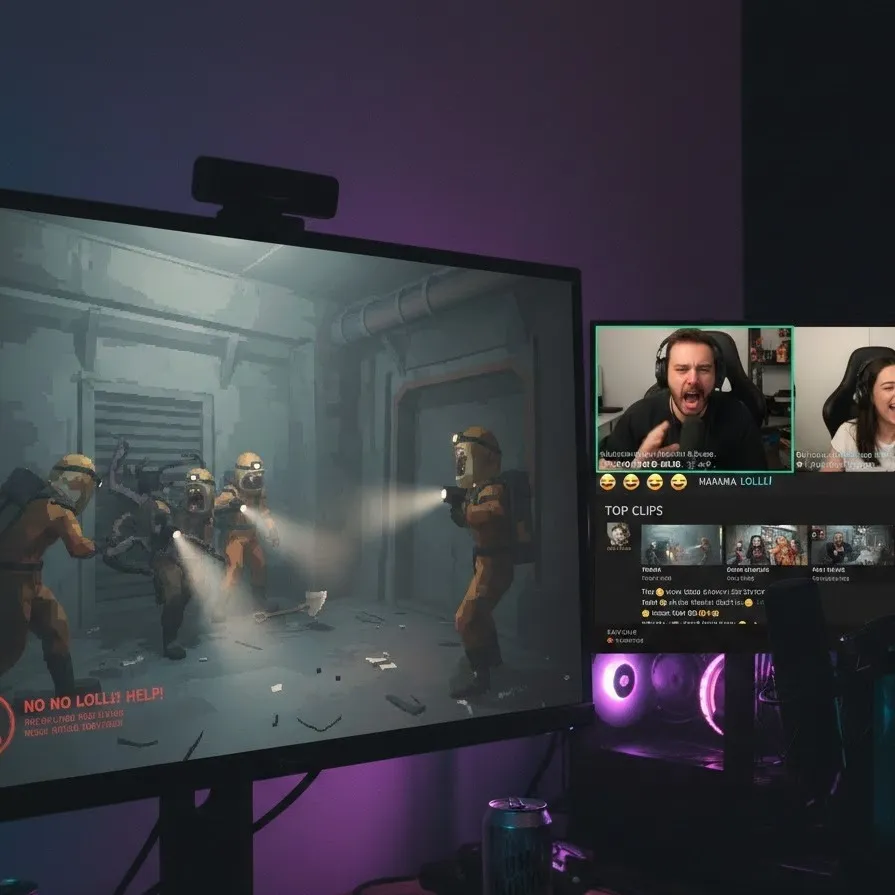
In Lethal Company, the indie horror success doesn't just come from the monsters; it comes from hearing your friend’s voice suddenly cut off mid-sentence as they are dragged into the darkness. This creates an immediate, visceral emotional response that is both terrifying and—crucially—hilarious to witness from the outside.
The Magic of Emergent Gameplay
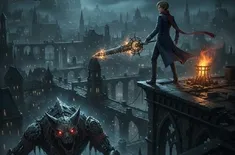
The true secret sauce of these titles is emergent gameplay. Unlike scripted AAA experiences where every jump scare is pre-baked, indie hits provide a "sandbox of terror." Developers create a set of simple rules and unpredictable AI, then step back and let the players' interactions create the story.
Proximity Chat: This is perhaps the most important innovation in recent years. By making audio spatial, games force players to stay close to communicate, or face the terrifying silence of being lost.
Unpredictability: When a monster's behavior isn't 100% predictable, every playthrough feels fresh. This keeps the stakes high for both the players and the audience.
Designed for Streamer Reactions
The "Next Big Thing" in indie horror is almost always a game that serves as a perfect stage for streamer reactions. High-concept games provide a constant stream of "micro-moments"—short, 10-to-30-second windows of high tension or comedy that are perfect for TikTok, Reels, and YouTube Shorts.
When a streamer's plan goes horribly wrong in a spectacular fashion, it generates user-created viral clips that act as free, authentic advertising. These clips don't feel like a pitch; they feel like a shared joke, inviting the viewer to join the fun.
Why "Simple" Wins in the Modern Era
In a world of 100GB installs and $70 price tags, the budget gaming appeal of indie horror is a massive competitive advantage.
| Feature | Indie Horror Success Model | Traditional AAA Horror |
|---|---|---|
| Price Point | Usually $10–$15 | $60–$70 |
| Graphics | Stylized/Lo-fi (easy to run) | Photorealistic |
| Replayability | Procedural/System-driven | Linear/Narrative-driven |
| Social Aspect | Built for "hanging out" | Primarily single-player |
By keeping the barrier to entry low—both financially and technically—these games ensure that an entire group of friends can buy the game on a whim after seeing a single viral clip.
The Role of Community Mods
The longevity of indie horror hits is often sustained by community mods. Once the base game goes viral, the community takes over, adding new monsters, maps, and "quality of life" features that the original developer might not have had the resources to implement.
For Lethal Company, mods allowed for larger lobby sizes, which in turn created even more chaotic social situations for streamers to exploit. This cycle of "Viral Clip -> New Players -> Community Mods -> More Content -> More Viral Clips" is a self-sustaining ecosystem that can keep a $10 game relevant for years.
Analyzing the "Next Big Thing"
What will be the next Lethal Company? Look for games that lean into asymmetrical co-op or titles that gamify the act of being a content creator itself (like Content Warning). The trend is moving toward "meta-horror"—games that acknowledge the player's role as an entertainer.
The next hit will likely feature:
- Physics-based comedy: Ragdoll physics and environmental interactions that lead to "fail-forward" moments.
- Deep integration of AI voice or face tracking: Tools that make the player's actual fear part of the game mechanics.
- Low-fidelity aesthetics: Using "jank" as an aesthetic choice to lower the "uncanny valley."
Final Thoughts
The "Next Big Thing" in indie horror isn't just a game; it's a social platform. By prioritizing multiplayer co-op horror and embracing the chaos of emergent gameplay, indie developers have found a way to bypass the traditional gatekeepers of the industry.