Explore how the tokenization of real-world assets (RWA) uses blockchain to enable fractional ownership, increase liquidity
The Revolution of Value: The Tokenization of Real-World Assets (RWA)
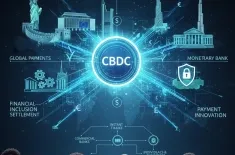
The global financial landscape is undergoing a structural shift. For decades, high-value markets like commercial property, fine art, and private credit were the exclusive playground of institutional giants and ultra-high-net-worth individuals. Today, that barrier is dissolving through the tokenization of real-world assets (RWA).
By leveraging blockchain technology to represent ownership of physical assets, we are witnessing the birth of a more inclusive, efficient, and transparent economy. This process converts the value of a tangible item into digital tokens on a distributed ledger, effectively bridging the gap between legacy finance and the digital age.
What is Asset Tokenization?
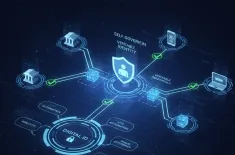
Asset tokenization is the process of creating a "digital twin" of a physical or financial asset on a blockchain. Each token represents a specific share or claim on the underlying asset. Whether it is a luxury apartment in New York, a bar of gold in a London vault, or a masterpiece by Picasso, tokenization allows these items to be traded with the same ease as a cryptocurrency or a public stock.
Breaking the Barriers: Why RWA Tokenization Matters
Traditionally, many high-value assets have been classified as illiquid assets. This means they cannot be quickly converted into cash without a significant loss in value or a lengthy, bureaucratic sales process. Tokenization addresses this fundamental flaw through several key mechanisms:
1. Fractional Ownership
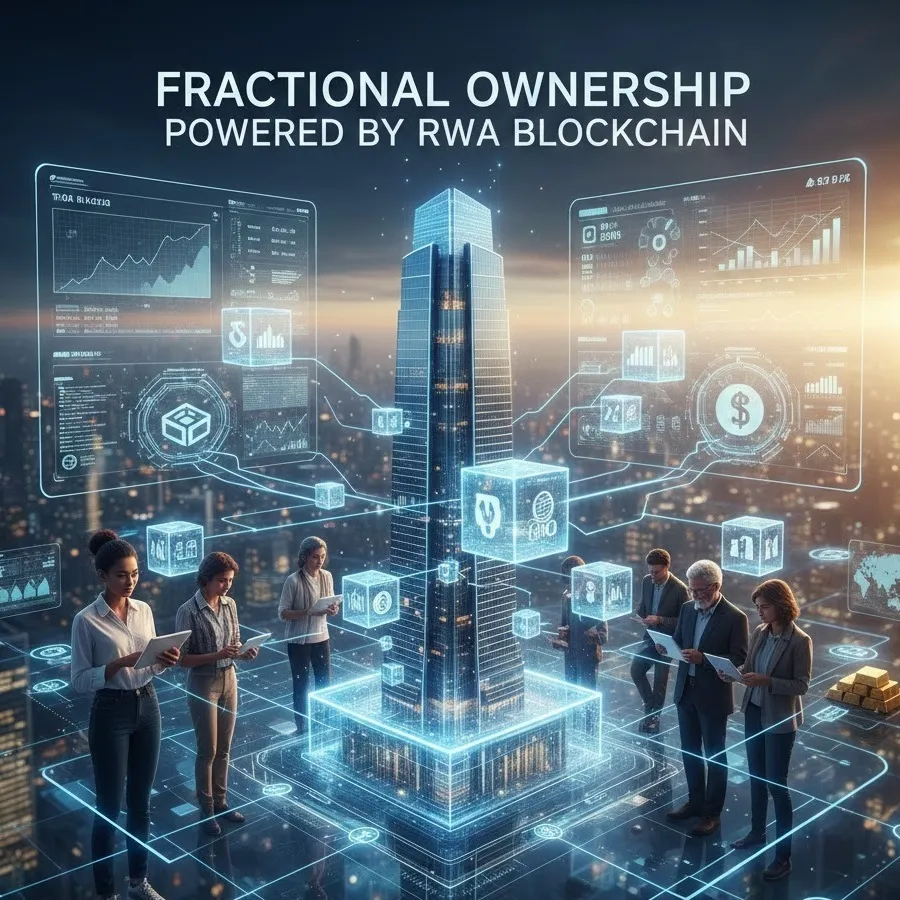
Perhaps the most transformative aspect of this technology is fractional ownership. Imagine a $10 million commercial building. In the traditional world, you need $10 million (or a massive loan) to own it. Through tokenization, that building can be divided into 10,000 tokens worth $1,000 each. This democratization allows retail investors to participate in real estate investment opportunities that were previously out of reach.
2. Enhanced Liquidity
By enabling 24/7 trading on secondary markets, tokenization injects liquidity into stagnant markets. Investors no longer need to wait months to find a buyer for a piece of real estate; they can simply sell their tokens on a digital exchange, receiving capital in near real-time.
3. Blockchain Securities and Transparency
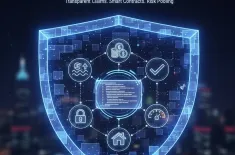
Tokens representing ownership are often classified as blockchain securities. Unlike traditional paper-based certificates, these digital securities are governed by smart contracts—self-executing code that automates compliance, dividend distributions, and voting rights. Every transaction is recorded on an immutable ledger, providing an audit trail that eliminates fraud and reduces the need for expensive intermediaries.
Key Asset Classes Being Tokenized
The scope of RWA is vast, covering almost anything with inherent value. In 2025, several sectors have emerged as leaders:
- Real Estate: The primary use case. Investors can buy shares in rental properties and receive automated monthly yields directly to their digital wallets.
- Commodities: Gold, silver, and even oil are being tokenized to allow for instant, borderless settlement without the logistics of moving physical metals.
- Art and Collectibles: High-end galleries are tokenizing paintings, allowing art lovers to own "shares" of a masterpiece.
- Government Bonds and Private Credit: Financial institutions are tokenizing "risk-free" assets like U.S. Treasuries to provide on-chain yield for stablecoin holders.
The Technology Behind the Transformation
The engine of this movement is the blockchain. By using decentralized networks (like Ethereum, Polygon, or Avalanche), the tokenization of real-world assets ensures that:
- Settlement is instant: No more T 2 or T 3 waiting periods.
- Costs are lower: Automated systems replace layers of lawyers, brokers, and escrow agents.
- Access is global: An investor in Tokyo can easily purchase a fraction of a solar farm in Brazil.
Challenges and the Path Forward
While the potential is immense, the road to a fully tokenized world faces hurdles. Regulatory uncertainty remains a primary concern, as different jurisdictions struggle to categorize these digital assets. Furthermore, the "oracle problem"—ensuring the data on the blockchain accurately reflects the status of the physical asset off-chain—requires robust technological and legal solutions.
However, with institutional giants like BlackRock and Franklin Templeton launching tokenized funds, the momentum is undeniable.
Conclusion
The tokenization of real-world assets (RWA) is more than just a tech trend; it is a fundamental redesign of how we define and exchange value. By turning illiquid assets into tradable blockchain securities, we are creating a world where fractional ownership is the norm and real estate investment is accessible to all. As blockchain technology continues to mature, the "digital twin" economy will likely become the standard for global finance.