Learn the science of primary prevention and risk reduction.
Lifestyle Changes That Are More Powerful Than Pills: The Science of Longevity
In an era where modern medicine offers a "pill for every ill," we often overlook the most potent pharmacy available to us: our daily habits. While pharmacological interventions are life-saving for acute conditions, the data suggests that non-pharmacological treatment through lifestyle modification is frequently more effective at preventing chronic disease and extending "healthspan" than any prescription medication.
This guide explores the dramatic impact of primary prevention and how shifting your daily routine can yield physiological results that rival—and often surpass—the world’s best-selling drugs.
The Power of Primary Prevention: Stopping Disease Before It Starts
Modern healthcare is often "sick care," focusing on secondary prevention (treating a disease after it appears). However, primary prevention—the act of intervening before a condition even develops—is the ultimate medical gold standard.
When we rely solely on pills, we often manage symptoms or markers (like lowering blood pressure numbers) while the underlying cellular damage continues. Lifestyle changes, conversely, address the root causes of systemic inflammation and metabolic dysfunction.
Why Lifestyle Outperforms Pills
- Synergy: A statin lowers cholesterol, but regular exercise lowers cholesterol, improves mood, strengthens bones, and regulates blood sugar simultaneously.
- Side Effects: Medications often come with a "tax" on the liver, kidneys, or gut microbiome. Lifestyle changes typically offer "side benefits" rather than side effects.
- Epigenetics: Your habits can actually "turn off" disease-promoting genes, a feat few pills can achieve consistently.
Quitting Smoking: The Single Greatest Health Intervention
If "health" were a stock market, quitting smoking would be the investment with the highest guaranteed return. Smoking remains the leading cause of preventable death globally, affecting nearly every organ system.
Quantifying the Risk Reduction
The impact of cessation is almost immediate and compounds over time:
- 24 Hours: Your risk of a heart attack begins to decrease.
- 1 Year: Your excess risk of coronary heart disease is halved compared to a continuing smoker.
- 10 Years: Your risk of lung cancer falls to about half that of a smoker, and your risk of stroke matches that of a non-smoker.
By removing thousands of toxins from your bloodstream, you aren't just preventing lung cancer; you are performing a total systemic reset that no pharmacological agent can replicate.
Regular Exercise: The Real "Miracle Drug"
If a pharmaceutical company could bottle the effects of regular exercise, it would be the most profitable drug in human history. Physical activity acts as a systemic anti-inflammatory and metabolic regulator.
The Numbers Behind the Sweat
Research consistently shows that exercise provides a level of risk reduction that makes many medications look modest by comparison:
- Cardiovascular Health: Engaging in 150 minutes of moderate-intensity exercise per week reduces the risk of cardiovascular death by approximately 30–35%.
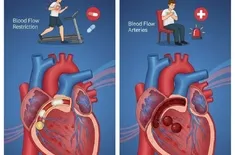
- Comparison to Pills: For patients with existing heart disease, exercise has been found to be just as effective as beta-blockers or ACE inhibitors in preventing subsequent mortality.
- Metabolic Impact: For those with pre-diabetes, intensive lifestyle intervention (exercise and diet) reduced the risk of developing Type 2 diabetes by 58%, compared to only 31% for those taking Metformin.
Weight Loss Benefits: Beyond Aesthetics
Weight management is often discussed in terms of vanity, but the biological weight loss benefits are deeply profound. Adipose tissue (body fat) is not just stored energy; it is an active endocrine organ that produces inflammatory cytokines.
The "5% Rule"
You don't need to reach a "perfect" BMI to see medical-grade results. Losing just 5% to 10% of your total body weight can:
- Lower Blood Pressure: Reducing the mechanical strain on the heart and the hormonal strain on the kidneys.
- Improve Insulin Sensitivity: Allowing your cells to use glucose effectively, often reversing "Pre-diabetes."
- Reduce Joint Stress: For every pound lost, there is a four-pound reduction in knee pressure.
This biological "unloading" is often enough to allow patients to reduce or eliminate medications for hypertension and Type 2 diabetes.
Stress Management: Calming the Cortisol Storm
Chronic stress is a silent driver of chronic disease. When the body is in a constant "fight or flight" state, it produces excess cortisol and adrenaline, which damage the lining of blood vessels and suppress the immune system.
Effective stress management—whether through mindfulness, breathwork, or cognitive reframing—acts as a natural beta-blocker. By lowering sympathetic nervous system activity, you:
- Reduce heart rate variability (HRV) issues.
- Lower systemic inflammation markers (like C-Reactive Protein).
- Improve sleep quality, which is when the body performs essential cellular repair.
Alcohol Limits: Protecting the Liver and Brain
While moderate consumption was once thought to be cardio-protective, modern science is increasingly clear: the less alcohol, the better. Adhering to strict alcohol limits (or total abstinence) provides immediate relief to the liver and central nervous system.
Excessive drinking contributes to over 200 different health conditions. By reducing intake, you:
- Lower the risk of at least seven types of cancer.
- Improve REM sleep cycles.
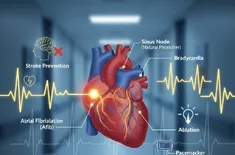
- Reduce the risk of atrial fibrillation (an irregular heart rhythm).
Lifestyle vs. Pharmacotherapy: A Comparison Table
| Condition | Common Medication | Lifestyle Alternative | Result |
|---|---|---|---|
| Hypertension | Lisinopril / Amlodipine | DASH Diet & Aerobic Exercise | Can lower systolic BP by 10-20 mmHg |
| Type 2 Diabetes | Metformin | Weight Loss & Strength Training | Often achieves complete remission |
| Depression | SSRIs (Zoloft/Lexapro) | Regular Exercise & Sleep Hygiene | Shown to be as effective as drugs for mild/moderate cases |
| High Cholesterol | Statins (Lipitor) | High Fiber Intake & Quitting Smoking | Significantly improves HDL/LDL ratio |
Integrating Non-Pharmacological Treatment into Your Life
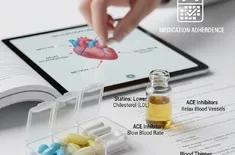
Adopting a non-pharmacological treatment plan doesn't mean ignoring your doctor’s advice. Rather, it means giving your body the tools it needs so that medication becomes a last resort rather than a first response.
How to Start
- The "Slow Build": Don't try to quit smoking, start a marathon, and go vegan on the same Monday. Start with 15 minutes of walking.
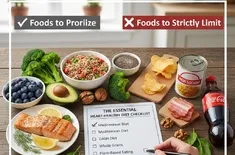
- Focus on "Addition," not "Subtraction": Instead of focusing on what you can't eat, focus on adding more fiber and water.
- Monitor Your Progress: Use a journal or app to track your energy levels and sleep. You will likely feel the benefits before your lab results even come back.
Conclusion
The evidence is undeniable: lifestyle changes are not "alternative" medicine—they are the foundation of all medicine. Quitting smoking, committing to regular exercise, and mastering stress management offer a level of protection that no pill can match. By prioritizing weight loss benefits and respecting alcohol limits, you are taking control of your biological destiny.