Learn the technique of applying an occlusive layer at night for intense hydration
Slugging with Petroleum Jelly: Worth the Hype? An In-Depth Skincare Guide
Slugging. The term might sound like something you'd encounter in a garden, not a bathroom, yet it has become one of the most talked-about and viral skincare trends in recent years. This practice involves coating the face in a thick, occlusive layer—most commonly using a product like Vaseline or another form of petroleum jelly benefits—as the final step in a nighttime routine.
But is this extreme form of moisturization a revolutionary dry skin remedy, or is it just another fleeting fad destined to clog your pores and disappoint? This comprehensive guide dives deep into the technique of skin slugging, exploring its benefits, the science behind it, potential side effects, and offering a clear verdict on whether this highly-praised method is truly worth the hype.
What Exactly is Skin Slugging?
At its core, skin slugging is a moisturizing technique designed to combat transepidermal water loss (TEWL). TEWL is the process where water passively evaporates from the skin's surface into the surrounding environment. Our skin naturally loses water this way, but when the skin barrier is compromised—due to harsh weather, over-exfoliation, or intrinsic dryness—this water loss speeds up, leading to dry, tight, and flaky skin.
The technique gets its name from the slick, shiny appearance the face takes on after applying the heavy product, supposedly resembling the trail of a slug.
The Role of the Occlusive Layer
The secret weapon in slugging is the occlusive layer. Occlusives are a class of moisturizing ingredients that physically block water from leaving the skin. They don't necessarily add moisture themselves, but rather they create a water-impermeable seal on the skin's surface, effectively locking in the existing moisture and any hydrating ingredients applied underneath.
Petroleum jelly is arguably the most famous and effective occlusive agent used in slugging. Chemically, it's a mix of mineral oils and waxes. It is prized for its inert nature, meaning it rarely causes allergic reactions, and for its extremely low comedogenicity (a rating of 0 on a scale of 0-5), which surprises many given its thick texture.
The Science of Intense Hydration and Barrier Sealing
The main appeal of slugging lies in its ability to deliver intense hydration and repair a damaged skin barrier.
1. Preventing Transepidermal Water Loss (TEWL)
The primary scientific mechanism at play is the near-total prevention of TEWL. Studies have shown that petroleum jelly can reduce TEWL by up to 98%. By applying this barrier sealing agent, you force the skin to retain the moisture it already has. This creates a moist, warm micro-environment on the skin’s surface.
2. Enhancing Product Efficacy
When you apply your serums (like hyaluronic acid or niacinamide) or moisturizers before slugging, the occlusive layer acts like a pressure cooker, significantly increasing the absorption and potency of those ingredients. This is a double-edged sword, as discussed later, but for ingredients aimed at hydration, it can turbocharge their effects.
3. Skin Barrier Repair
The skin barrier, also known as the stratum corneum, is the outermost layer of the epidermis, structured like a brick-and-mortar wall (skin cells are the bricks, lipids are the mortar). A healthy barrier is crucial for keeping irritants out and moisture in. When the barrier is damaged, the skin becomes inflamed, dry, and sensitive.
Slugging provides the ideal environment for barrier recovery. By reducing water loss, it allows the skin's natural repair mechanisms—specifically the production and reorganization of epidermal lipids—to work more efficiently without the constant stress of dehydration. The inert nature of the petroleum jelly benefits the skin by protecting it from environmental stressors throughout the night.
Is Slugging Right for You? Who Should and Shouldn't Try It
Slugging is not a one-size-fits-all trend. Its extreme sealing power makes it a miracle for some and a nightmare for others. Understanding your skin type and current condition is crucial before committing to this technique.
Who Should Try Slugging: The Perfect Candidates
-
Individuals with Severely Dry Skin: This is the ideal audience. If your skin is flaky, tight, and perpetually thirsty, slugging is the ultimate dry skin remedy.
-
Those in Cold, Dry Climates: Winter weather and low-humidity environments dramatically increase TEWL. Slugging provides essential protection against the elements.
-
Individuals with a Compromised Skin Barrier: If you've recently undergone a harsh procedure, used too many actives (retinoids, strong acids), or are dealing with conditions like eczema, slugging can provide a soothing, protective environment for the skin to heal.
-
Occasional Boosters (2-3 Times a Week): Even those with normal or combination skin can benefit from slugging as an intensive, occasional treatment when their skin feels particularly parched or after a long flight.
Who Should Avoid Slugging: A Cautionary Warning
The very thing that makes slugging effective—the tight seal—is what makes it risky for certain skin types.
-
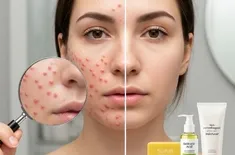
Acne-Prone Skin: This is the most critical group that should exercise extreme caution or completely avoid slugging. While petroleum jelly itself is non-comedogenic, the occlusive layer traps everything underneath it: dead skin cells, bacteria, and any pore-clogging ingredients from your other skincare products. Trapping these elements overnight creates the perfect anaerobic environment for P. acnes bacteria to thrive, leading to inflammation and breakouts. If you must try it, limit it to small, non-acne-prone patches.
-
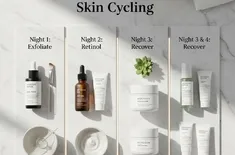
Those Using High-Potency Actives (Retinoids, BHAs/AHAs): Slugging dramatically increases the absorption of anything you put on first. Applying a retinoid or an alpha-hydroxy acid (AHA) and then sealing it in can lead to significant irritation, redness, and even chemical burns due to over-absorption. If you use these ingredients, slugging should be reserved for "off nights" when you use only simple, hydrating products.
-
Oily Skin Types: Oily skin naturally produces a large amount of sebum, which is already an occlusive agent. Adding a heavy layer of petroleum jelly on top is redundant and can lead to a heavy, greasy feeling and potentially increase the likelihood of congestion.
How to Master the Technique: A Step-by-Step Guide
The technique of applying an occlusive layer at night is simple, but the prep work is key to avoiding side effects.
1. Start with a Clean Canvas
-
Cleanse Thoroughly: Use a gentle cleanser to remove all makeup, dirt, and pollution from the day. This is the most crucial step, as you do not want to trap impurities against your skin for hours.
2. Apply Your Hydrators (Keep it Simple)
-
Hydrating Serum: Apply a water-based hydrating serum (e.g., one containing hyaluronic acid, ceramides, or glycerin). This is the moisture you are going to lock in.
-
Moisturizer (Optional but Recommended): Follow up with your regular, non-comedogenic moisturizer. This adds another layer of hydration and nourishment before the seal.
3. The Slugging Step
-
Take a Small Amount: Take a pea-sized to dime-sized amount of petroleum jelly benefits-rich product (or another thick occlusive).
-
Warm it Up: Rub it between your fingers to soften it.
-
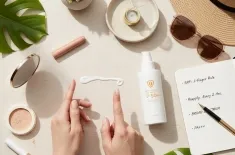
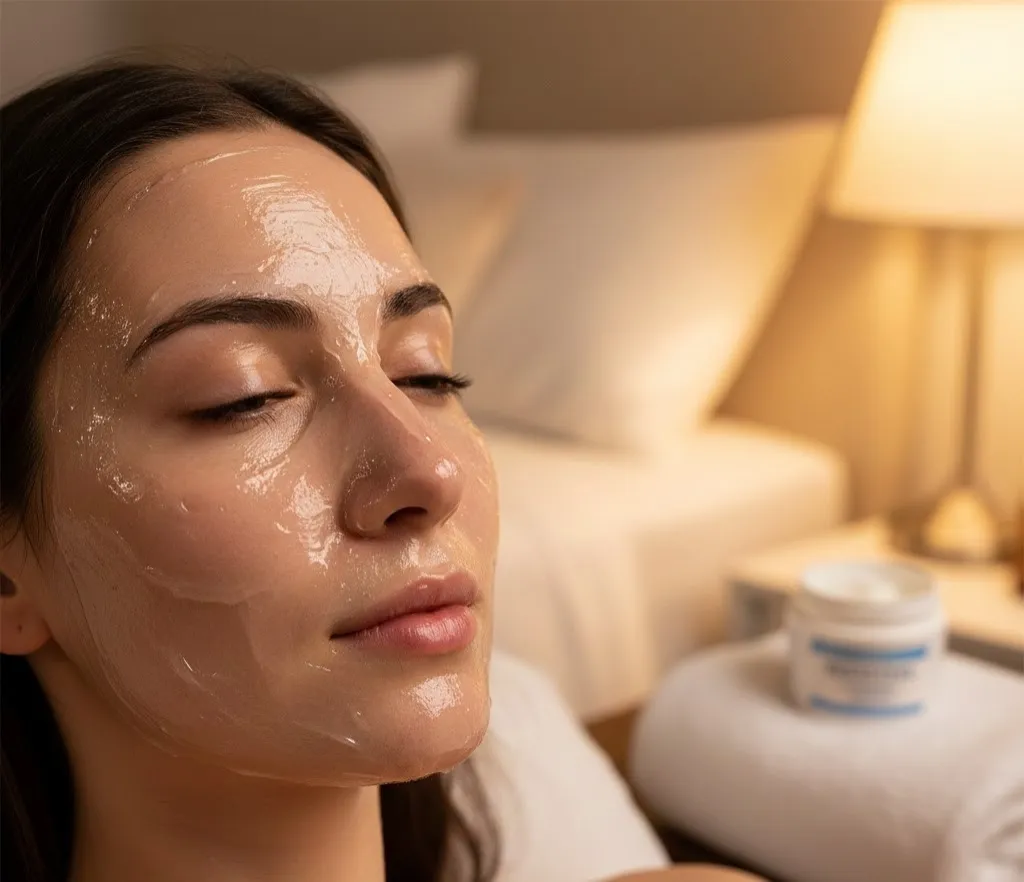
Apply a Thin Layer: Gently press and smooth a thin, even layer over your entire face, focusing on the driest areas. You do not need a thick mask; a sheer, glistening layer is sufficient for barrier sealing.
4. Bedtime and Cleanup
-
Protect Your Pillows: Lay a clean towel over your pillowcase to prevent the product from staining your bedding.
-
Morning Cleanse: In the morning, use a gentle cleanser to thoroughly wash the remaining occlusive layer off your skin. You will immediately notice the soft, plump, and dewy results of this intense hydration process.
Potential Side Effects and Semantic Considerations
While slugging is touted as a miracle cure, ignoring the potential side effects would be irresponsible.
1. Clogged Pores and Breakouts
As mentioned, for acne-prone skin, the biggest risk is the exacerbation of existing conditions. The trapped heat and bacteria can turn minor congestion into full-blown inflammatory acne.
2. Increased Sensitivity to Actives
If you accidentally slug over a strong retinol or salicylic acid, the increased penetration can lead to irritation, burning, and peeling. Always ensure your skin is clean of any potent active ingredients before slugging.
3. Product Incompatibility
Not all occlusives are created equal. Some products marketed as "slugging alternatives" may contain ingredients that are comedogenic. Sticking to pure petroleum jelly is often the safest bet due to its proven track record.
The Verdict: Is Slugging Worth the Hype?
Slugging with petroleum jelly is absolutely worth the hype—but only for the right skin type. It is a scientifically sound, cost-effective, and highly efficient method of achieving intense hydration and rapid skin barrier repair for those struggling with chronic dryness or compromised skin.
For those with combination or normal skin, it’s an excellent once or twice-weekly booster. However, for those with active, cystic, or consistently acne-prone skin, the practice should be approached with extreme caution, if not avoided altogether.
In the end, slugging is a powerful tool. Use it strategically, listen to your skin, and you may find that this simple, low-tech trend is the high-impact dry skin remedy your routine was missing.