Learn the science, meal timing, and this powerful instant tip for optimal glucose control.
The quest for optimal health often leads us down complex paths of restrictive diets and grueling fitness routines. However, a revolutionary wave of simple, science-backed lifestyle adjustments, often popularized by figures like Jessie Inchauspé—The "Glucose Goddess"—is proving that sometimes, the most effective strategies are the simplest. Among these glucose hack tips, one stands out for its surprising effectiveness and simplicity: the pre-meal apple cider vinegar shot.
This simple, instant habit—consuming a tablespoon of vinegar, diluted in water, just before eating—has become a cornerstone for thousands looking to achieve better glucose control. But is this just a trendy tip, or is there genuine scientific validity to using this simple pre-meal intervention to effectively blunt the post-meal blood sugar spike? The evidence is compelling, positioning the "Vinegar Shot" as a powerful and instant tip for metabolic health.
The Science Behind the Simple: How Vinegar Fights the Glucose Spike
The core mechanism of the vinegar shot lies in acetic acid, the main active component of vinegar, particularly apple cider vinegar (ACV). When consumed shortly before a meal, acetic acid performs a multi-pronged attack on the carbohydrates you are about to eat, effectively slowing down their journey from your plate to your bloodstream.
The Gastric Slowdown: Delaying Emptying
One of the most well-documented effects of acetic acid is its ability to slow down gastric emptying. This is the rate at which food moves from your stomach into your small intestine, where carbohydrate digestion and absorption primarily occur.
- Mechanism: Acetic acid appears to interact with gastric muscles, subtly signaling them to hold onto the stomach contents for a longer period.
- Result: By slowing the exit of food, the rate at which glucose enters the small intestine and is subsequently absorbed into the blood sugar is drastically reduced. Instead of a rapid flood of sugar (the infamous blood sugar spike), you get a smoother, more gradual release, which is far easier for your body's insulin response to manage.
The Enzyme Inhibition: Hindering Digestion
Research also suggests that acetic acid may have a temporary inhibitory effect on certain digestive enzymes, specifically those involved in breaking down complex starches into simple sugars.
- Mechanism: Enzymes like amylase, which are crucial for carbohydrate breakdown, might be temporarily less efficient in the presence of acetic acid.
- Result: Fewer complex carbs are quickly converted into glucose in the small intestine, further contributing to a gentler rise in glucose control and a less dramatic peak in blood sugar spike.
Enhancing Muscle Glucose Uptake
Perhaps the most fascinating—and most valuable—effect of the vinegar glucose hack is its potential to improve insulin sensitivity, particularly in muscle cells.
- Mechanism: Studies show that ACV can improve the efficiency with which muscles take up glucose from the bloodstream, a process that doesn't necessarily require insulin. It is speculated to potentially activate the AMPK pathway (AMP-activated protein kinase), a central regulator of cellular energy and glucose control.
- Result: Even with the same amount of insulin released, more glucose is cleared from the bloodstream and utilized by the muscles for energy, leading to a significantly lower post-meal blood sugar level. This is a game-changer for long-term metabolic health.
The Scientific Validity: Clinical Evidence
The theory is compelling, but does the clinical evidence support this instant tip? Absolutely.
Numerous human studies, including those published in peer-reviewed journals like *Diabetes Care* and the *European Journal of Clinical Nutrition*, have confirmed the efficacy of a pre-meal vinegar dose.
- Study Highlights: In trials, participants consuming a small amount of vinegar (typically 1-2 tablespoons) before a high-carbohydrate meal experienced a reduction in post-meal glucose and insulin response ranging from 19% to 34%.
- Impact on Prediabetes/Type 2: For individuals with insulin resistance, prediabetes, or type 2 diabetes, the effect is often even more pronounced. The vinegar shot helps to lower fasting glucose and significantly improves insulin sensitivity, making it a critical, non-pharmacological tool for glucose control.
This scientific validation transforms the vinegar shot from a mere anecdotal glucose hack into a proven dietary strategy for better metabolic management.
Implementation: The "Glucose Goddess" Protocol
The beauty of this hack lies in its precise execution, which is focused on maximizing the acetic acid's contact with the stomach lining just before the food arrives.
The Protocol: Your Instant Tip
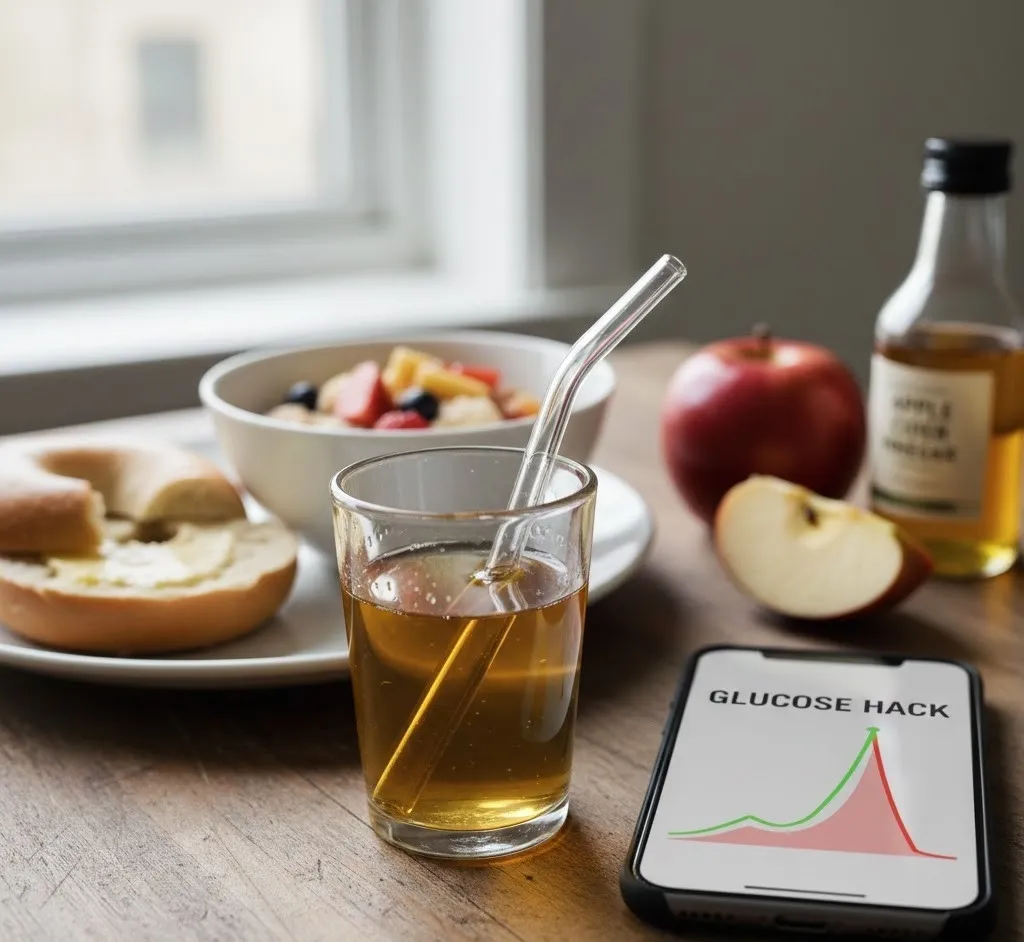
- The Ingredient: Use 1 tablespoon of apple cider vinegar (ACV) or white wine vinegar (ACV is preferred for its palatability and popularity, but the acetic acid is the key). Ensure it is diluted.
- The Dilution: Mix the 1 tablespoon of vinegar with approximately 8 ounces (about 240ml) of water. Never drink straight vinegar, as it can damage tooth enamel and the esophagus.
- The Meal Timing: The optimal meal timing is 5 to 10 minutes before your meal. This is crucial. This window gives the acetic acid time to coat the stomach and initiate the gastric slowdown and enzyme inhibition before the carbohydrates arrive.
- The Focus: Prioritize using this hack before your most carbohydrate-heavy meals, such as pasta, bread, or dessert, to maximize its impact on the blood sugar spike.
Key Considerations for Safety and Efficacy
- Tooth Enamel: Always use a straw and rinse your mouth with plain water immediately after consuming the vinegar to protect your enamel from the acidity.
- Consistency: Like any effective glucose hack, consistency is key. Integrating this into your daily routine is essential for long-term glucose control.
Beyond the Shot: The Semantic Landscape of Glucose Control
The "Vinegar Shot" is not an isolated trick; it fits perfectly within a broader framework of metabolic health strategies. Understanding the related semantic and intensive search keywords sheds light on the overall goal of this instant tip:
| Search Term | Relationship to Vinegar Shot |
|---|---|
| Insulin Resistance | Vinegar improves insulin sensitivity, directly addressing the root cause of resistance. |
| Metabolic Health | Improved glucose control is the cornerstone of better metabolic health. |
| Glycemic Index (GI) | The vinegar shot effectively lowers the GI of any given meal. |
| Postprandial Glucose | This is the scientific term for the blood sugar spike the vinegar actively blunts. |
| Carb Blocker | While not a true pharmaceutical blocker, it acts as a natural, mild physiological carb blocker. |
| Type 2 Diabetes Prevention | Stable blood sugar levels are the best form of Type 2 Diabetes Prevention. |
| Continuous Glucose Monitor (CGM) Hacks | Many users rely on CGM data to visually confirm the effectiveness of the vinegar shot. |
The "Glucose Goddess" glucose hack is more than just apple cider vinegar; it is an accessible application of hard science. By leveraging the power of acetic acid right before a meal, you engage a proven physiological mechanism to slow digestion, enhance muscle glucose uptake, and dramatically smooth out the typical post-meal blood sugar spike. This makes it an essential, scientifically validated instant tip for anyone serious about improving their glucose control and overall metabolic health, fundamentally changing how we approach meal timing and carbohydrate consumption.