Learn how to spot snake oil and unproven remedies on social media using real scientific evidence and facts.
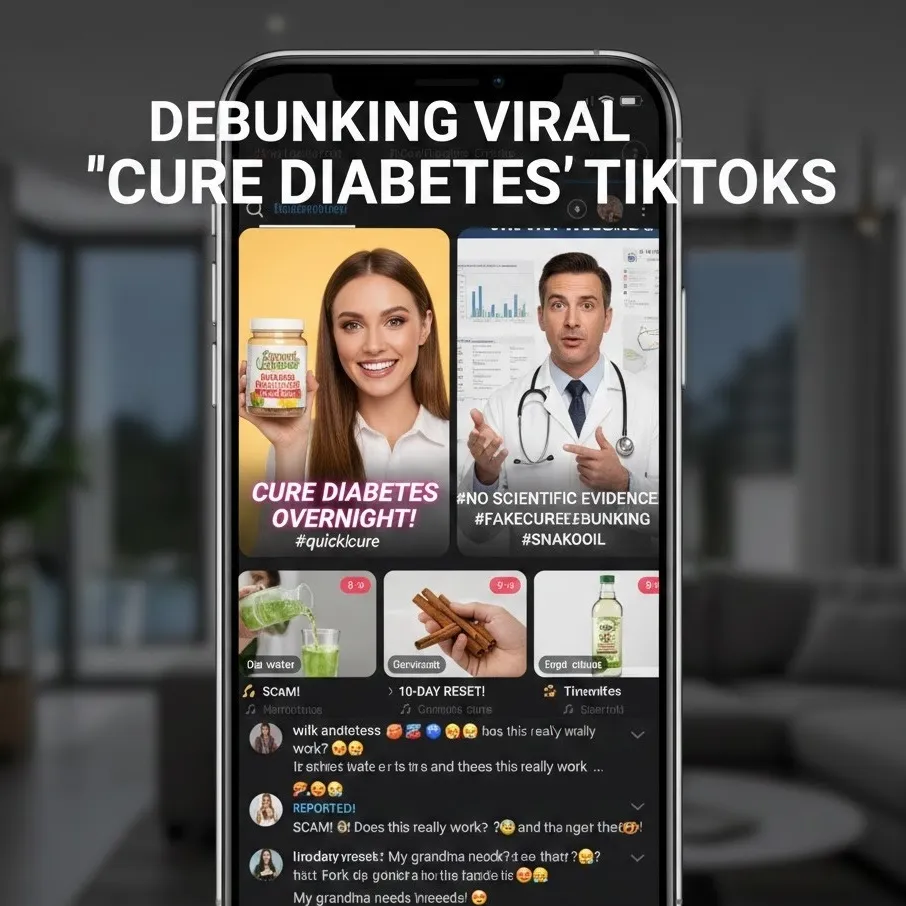
Debunking Viral "Cure Diabetes" TikToks: The Truth Behind the "Quick Fix"
In the era of "Health-Tok," a new kind of viral sensation has emerged: the fake cure debunking video. You’ve likely seen them—dynamic, high-energy clips claiming that a common pantry staple or a mysterious "lost" herbal remedy is the secret key to reversing chronic illness. However, beneath the slick editing and emotional testimonials lies a dangerous reality. For those living with metabolic conditions, the lure of unproven remedies can lead to life-threatening decisions.
When it comes to your health, the line between a "natural boost" and snake oil has never been thinner. To protect yourself and your loved ones, it is essential to separate the high-engagement diabetes myths from the rigorous scientific evidence that actually keeps people safe.
The Anatomy of a TikTok "Miracle"
Most viral diabetes "cures" follow a specific formula designed to exploit the algorithm and human psychology. They often frame their message as "the secret doctors won't tell you," immediately creating a divide between the viewer and established medical experts. This "insider" framing is the first red flag of a quick fix.
Common Viral Tactics:
- The "Overnight" Promise: Claims that a specific tonic can lower your A1c or "fix" your blood sugar levels while you sleep.
- The Hidden Supplement: Marketing specialized "Diabetes Gummies" or "Glucose Patches" that have no FDA oversight or clinical backing.
- The Kitchen Miracle: Overstating the effects of ingredients like okra water, apple cider vinegar (ACV), or cinnamon.
While these ingredients may have minor metabolic benefits when integrated into a balanced lifestyle, framing them as a "cure" is a classic example of diabetes myths used for profit.
Rapid-Fire Evidence: Addressing the Most Common Claims
To help you navigate your feed, let’s look at a rapid-fire, evidence-based breakdown of the most common and dangerous misinformation circulating today.
1. "Cinnamon and ACV Can Replace Your Metformin" The Myth: Taking a shot of apple cider vinegar and a spoonful of cinnamon is as effective as prescription medication. The scientific evidence: Large-scale meta-analyses show that while cinnamon may modestly improve fasting blood glucose in some individuals, the effect is inconsistent and nowhere near the efficacy of standardized medication. Similarly, ACV can slightly slow carbohydrate absorption, but it cannot "cure" the underlying insulin resistance or autoimmune issues inherent in Type 1 or Type 2 diabetes. Stopping medication in favor of these is a recipe for ketoacidosis or long-term organ damage.
2. "Okra Water Flushes Out Diabetes" The Myth: Drinking water soaked with okra pods "cleanses" the pancreas and eliminates the need for insulin. The scientific evidence: Okra is a high-fiber, healthy vegetable. Fiber is great for slowing sugar absorption. However, unproven remedies like "okra water" are not a medical treatment. There is zero evidence that it can regenerate beta cells or act as a substitute for insulin therapy.
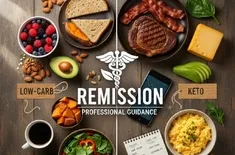
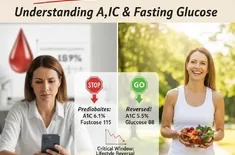
3. "The 10-Day Diabetes Reset" The Myth: A specific "detox" tea or juice cleanse can permanently reverse Type 2 diabetes in less than two weeks. The scientific evidence: While significant weight loss and dietary changes can put Type 2 diabetes into remission, this is a long-term metabolic shift, not a 10-day quick fix. Remission means your blood sugar is in a healthy range without medication, but the underlying predisposition remains. Using "detox" products often leads to dangerous blood sugar spikes and crashes.
Why "Snake Oil" Persists in the Digital Age
The term snake oil historically refers to fraudulent health products sold with grand promises. In 2026, snake oil doesn't come from a wagon; it comes from a 60-second video with a trending audio track. These products persist because diabetes is a demanding, 24/7 condition. The "burden of care" makes the idea of an easy, natural solution incredibly appealing. Scammers know this. They use unproven remedies to target the vulnerable, often using AI-generated "doctors" or stolen footage of celebrities to lend a false sense of authority.
Crucial Note: If a creator tells you to stop taking your prescribed insulin or oral medication in favor of a supplement, they are not just providing "alternative advice"—they are putting your life at risk. This is exactly why fake cure debunking is so vital for patient safety.
How to Spot the Scams: A Checklist
Before you hit "share" or "buy," run the content through this debunking filter:
- Does it claim to be a "Cure"? Currently, there is no medical cure for Type 1 or Type 2 diabetes. There is only management and, in some cases of Type 2, remission.
- Is there a "Big Pharma" conspiracy? Claims that a "cheap" cure is being hidden by doctors are a hallmark of medical misinformation.
- Is there a sales pitch? Most fake cure debunking needs to happen because the "miracle" is actually a lead-in to a high-priced supplement subscription.
- Is the "Evidence" anecdotal? One person saying "it worked for me" is not a clinical trial. Peer-reviewed research requires thousands of participants and rigorous controls.
The Real Path to Management
Real diabetes management isn't flashy, and it certainly doesn't go viral as easily as a "miracle juice." It involves:
- Consistent Monitoring: Using CGMs or finger-prick tests to understand your body’s unique responses.
- Individualized Nutrition: Working with a registered dietitian rather than following a "one size fits all" TikTok diet.
- Evidence-Based Medication: Using GLP-1 agonists, Metformin, or Insulin as prescribed by an endocrinologist.
- Sustainable Movement: Physical activity that improves insulin sensitivity over time.
Conclusion
Social media can be a wonderful place for community support, but it is a dangerous place for medical prescriptions. By identifying diabetes myths and demanding scientific evidence, you protect yourself from the predatory world of snake oil. Remember: if a "miracle cure" sounds too good to be true, it’s because it is. Stay skeptical, stay informed, and always consult your healthcare team before making any changes to your treatment plan.
Would you like me to generate a summary of these points into a list of "red flag" keywords you can use to filter your social media feeds?