Explore the impact of conflict minerals in tech.
The Silent Cost of Innovation: Ethical Sourcing and Conflict Minerals in the Tech Era
In 2025, the sleek glass and brushed aluminum of our laptops, smartphones, and PCs tell a story of human ingenuity. But beneath the surface lies a complex and often troubling narrative of extraction. As the world becomes increasingly digital, the demand for high-performance hardware has surged, bringing the issues of hardware ethics and the responsible supply chain to the forefront of global conversation.
For decades, the "black box" of manufacturing meant that consumers rarely questioned what was inside their devices. Today, that has changed. Driven by consumer pressure, the tech industry is facing a reckoning regarding "conflict minerals"—tantalum, tin, tungsten, and gold (collectively known as 3TG)—and the critical rare earth elements that power everything from haptic motors to high-efficiency batteries.
What are Conflict Minerals?
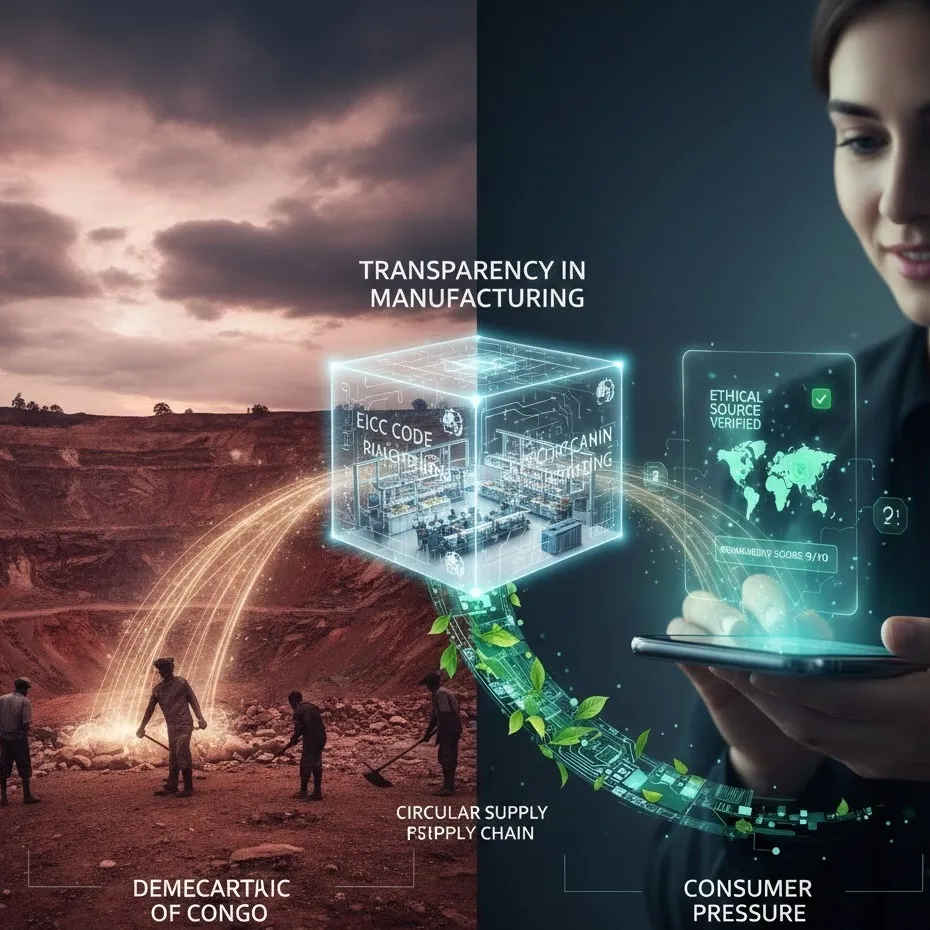
Conflict minerals are natural resources extracted in areas of armed conflict and traded to finance fighting. The most prominent example is the Democratic Republic of the Congo (DRC), where the mining of 3TG minerals has historically funded militia groups, leading to systemic human rights abuses, child labor, and environmental devastation.
The Pivot to a Responsible Supply Chain
In response to global outcry, the concept of a responsible supply chain has evolved from a corporate social responsibility (CSR) "extra" to a core business requirement. A responsible chain ensures that every tier of production—from the artisanal mine in central Africa to the final assembly line in Southeast Asia—adheres to strict ethical and environmental standards.
Achieving this requires more than just good intentions; it requires a rigorous framework. This is where the EICC code (now managed under the Responsible Business Alliance or RBA) becomes vital. The Electronic Industry Citizenship Coalition (EICC) established a Code of Conduct that sets high standards for:
- Labor Rights: Prohibiting forced and child labor.
- Health and Safety: Ensuring workers operate in secure environments.
- Ethics: Mandating business integrity and the disclosure of information.
- Environmental Responsibility: Minimizing the ecological footprint of manufacturing.
By adhering to the EICC code, tech giants like Apple, Samsung, and Dell can provide a level of assurance that their products are not subsidizing violence or exploitation.
The Role of Rare Earth Elements
While 3TG minerals get the most headlines, rare earth elements (REEs) such as neodymium, dysprosium, and terbium are equally critical and ethically complex. Despite their name, these elements are relatively abundant in the Earth's crust but are difficult and environmentally hazardous to extract.
Most REEs are processed in regions with varying levels of environmental oversight. As we move toward a "green" tech future—relying on electric vehicles and high-efficiency laptops—the ethical sourcing of these elements is the next frontier for hardware ethics. Companies are now investing in "circular" supply chains, focusing on recycling REEs from old devices to reduce the need for new, destructive mining.
Transparency in Manufacturing: The New Gold Standard
One of the most significant shifts in 2025 is the demand for absolute transparency in manufacturing. It is no longer enough for a company to claim they are "ethical." Consumers and regulators now demand proof.
This transparency is being achieved through several innovative methods:
- Blockchain Tracing: Using decentralized ledgers to track a mineral's journey from the mine to the refinery to the factory.
- Third-Party Audits: Independent firms conducting unannounced inspections of smelters and refiners.
- Digital Passports: Future laptops and phones may come with a "digital product passport" that allows users to scan a QR code and see the exact origin of the cobalt in their battery or the gold on their circuit board.
Consumer Pressure: The Engine of Change
The movement toward ethical tech isn't just driven by policy; it is fueled by consumer pressure. Today’s buyers are more informed than ever. They are choosing brands based on "repairability scores" and ethical rankings. This shift has forced manufacturers to realize that secrecy is a liability, while transparency is a competitive advantage.
When a consumer chooses a "Fairphone" or a laptop from a manufacturer with a verified conflict-free supply chain, they are voting with their wallet for a more humane industry. This collective demand has turned hardware ethics from a niche concern into a mainstream market force.
The Road Ahead for Hardware Ethics
As we look toward the future of the tech industry, the integration of ethical sourcing is not a destination but a continuous process. The challenges are vast: geopolitical instability can disrupt "clean" supply routes, and the "laundering" of minerals remains a persistent threat.
However, the combination of the EICC code, advances in transparency in manufacturing, and unwavering consumer pressure provides a roadmap. By prioritizing a responsible supply chain and finding sustainable ways to manage rare earth elements, the tech industry can finally ensure that the devices connecting the world are not built on its suffering.