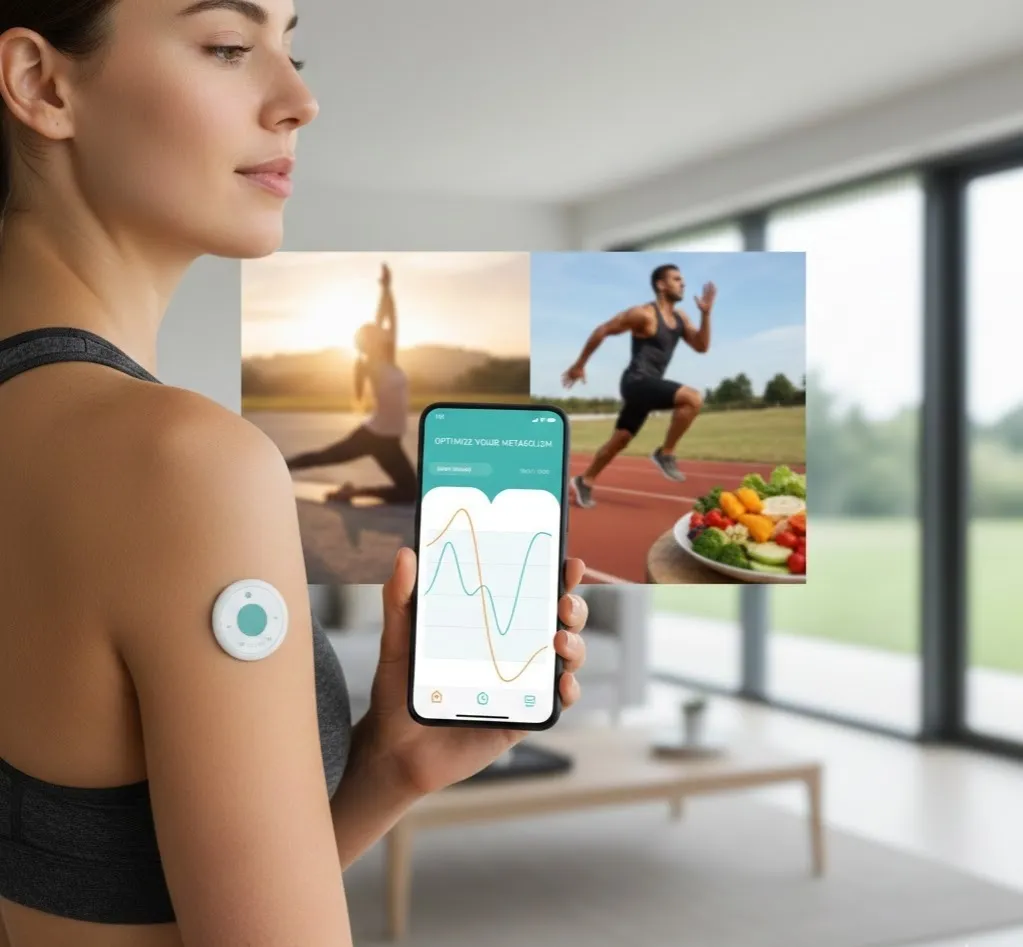
Explore the latest CGM trends for non-diabetic use and the profound glucose monitoring benefits
The Continuous Glucose Monitor (CGM) has undergone a revolutionary transformation, stepping out of the clinical confines of diabetes management and into the vibrant world of wellness and performance optimization. What began as an essential medical device is now a viral trend, embraced by a growing community of non-diabetic individuals—from elite athletes and biohacking enthusiasts to everyday health-conscious consumers—all seeking to unlock their body’s full potential.
This shift is driven by a profound realization: glucose is not just a concern for those with diabetes; it is the fundamental fuel source and a central regulator of metabolic health, dictating daily energy levels, quality of sleep, and athletic performance. The real-time, minute-by-minute data provided by a CGM offers an unprecedented window into an individual's unique metabolism, fueling the demand for this powerful tool for non-diabetic use.
The Rise of Non-Diabetic CGM Use: A Viral Trend
The adoption of CGMs by people without diabetes is one of the most significant CGM trends in modern health technology. This movement is part of a larger, global wave of self-quantification and personalized medicine.
Biohacking and Self-Experimentation
The biohacking community, dedicated to optimizing the human body through science and self-experimentation, has been a major catalyst. For biohackers, the CGM is the ultimate feedback loop, allowing them to test and track the immediate impact of different diets, supplements, and lifestyle habits on their body's glucose response. This quest for precise data goes far beyond general health advice, moving towards true biological optimization.
Optimizing Athletic Performance
Athletes and fitness enthusiasts have quickly realized the potential of CGMs for optimizing performance. They use real-time glucose data to:
- Prevent Energy Crashes: By identifying which pre-workout meals cause rapid glucose spikes followed by a crash, athletes can fine-tune their fueling strategy for sustained energy.
- Optimize Fueling Strategies: The data informs the precise timing and type of carbohydrate intake needed during long endurance events to maintain stable blood sugar and avoid "bonking."
- Enhance Recovery: Monitoring post-exercise glucose patterns helps in determining the most effective nutritional choices for faster muscle glycogen replenishment and recovery.
Improving Energy and Sleep Quality
One of the most compelling non-diabetic use cases is the correlation between glucose stability and daily well-being. Individuals are using CGMs to:
- Stabilize Daily Energy: Avoiding significant glucose spikes and subsequent crashes helps mitigate feelings of fatigue, "brain fog," and mid-afternoon slumps, leading to more consistent, stable energy throughout the day.
- Enhance Sleep: Research suggests that high glycemic variability (frequent ups and downs) and nighttime glucose excursions can disrupt sleep. By identifying the dietary or lifestyle factors that cause these nocturnal fluctuations—like a late-night dessert—users can make changes to promote deeper, more restorative sleep.
Personalized Nutrition and Glucose Monitoring Benefits
The biggest differentiator between a CGM and a traditional finger-prick blood glucose meter is the continuous stream of data it provides. This torrent of information allows for the development of truly personalized nutrition strategies, moving away from one-size-fits-all dietary rules.
The Power of Bio-Individuality
The CGM starkly illustrates the concept of bio-individuality: two people can eat the exact same food and have drastically different glucose responses. For example, while oatmeal may be a "healthy" food for one person, another person's CGM might reveal a significant, unhealthy glucose spike after consuming it.
The glucose monitoring benefits in this area include:
- Identifying Trigger Foods: Users can pinpoint specific foods, combinations, or preparation methods that cause the highest and most detrimental blood sugar spikes.
- Meal Timing Optimization: Real-time data informs users on the best time to eat, how to sequence their macronutrients (e.g., eating fiber and protein before carbohydrates to "blunt" the glucose spike), and when to avoid eating late at night.
- Testing Dietary Theories: Whether trying a ketogenic, low-carb, or plant-based diet, the CGM provides objective, real-time evidence of the diet's effectiveness on an individual's glucose regulation.
Beyond Diet: Unmasking Hidden Triggers
CGMs reveal that more than just food impacts blood sugar. The devices provide crucial insight into the influence of other lifestyle factors:
- Stress: High-stress situations (e.g., a challenging work meeting) can trigger the release of hormones like cortisol, causing the liver to release stored glucose, leading to a blood sugar spike.
- Lack of Sleep: Poor sleep quality significantly impairs the body's ability to use insulin effectively, making an individual more prone to higher morning and post-meal glucose levels.
- Exercise Type: Users can see how different workouts affect their glucose—a high-intensity weightlifting session might temporarily raise glucose, while a long, steady-state walk often lowers it.
CGM and Metabolic Health: A Proactive Approach
At the core of the non-diabetic CGM movement is a focus on metabolic health—the optimal functioning of five key factors: blood sugar, blood pressure, triglycerides, HDL cholesterol, and waist circumference. Poor metabolic health is a precursor to a range of chronic diseases, including Type 2 diabetes and cardiovascular disease.
Early Warning System
One of the most important glucose monitoring benefits for non-diabetics is its potential as an early warning system. Frequent and excessive glucose excursions, even within a seemingly "normal" range, may be an early indicator of insulin resistance or prediabetes, long before traditional lab tests like HbA1c register a problem.
- Understanding Glycemic Variability: The CGM measures glycemic variability—how wildly a person’s glucose levels swing. High variability, even if the average glucose remains normal, is increasingly associated with increased inflammation, oxidative stress, and a higher risk of developing chronic disease.
- Proactive Intervention: By spotting these irregular patterns early, individuals can make targeted lifestyle changes—guided by their CGM data and personalized nutrition insights—to stabilize their glucose levels and potentially prevent the progression to a diagnosable metabolic disorder.
The Future of Health Tracking
The integration of CGMs with other digital health tools, like smart scales and fitness trackers, is creating a comprehensive, multi-metric view of health. This convergence is propelling the future of proactive health management, turning the CGM from a diabetes necessity into a fundamental wellness tool for the masses. The ongoing advancements in technology, including smaller sensors and even more accurate algorithms, continue to make CGMs an increasingly appealing tool for anyone interested in biohacking and optimizing their quality of life. The democratization of this powerful metabolic health data marks a paradigm shift from reactive disease treatment to proactive, individualized health optimization.