Explore how nicotine salts and chemical delivery create a cycle of addiction, withdrawal symptoms, and lung health consequences.
Understanding the Modern Grip: Why Can't I Quit Vaping?
For many, the transition from traditional cigarettes to vaping was marketed as a "cleaner" alternative—a way to step down from tobacco. However, millions are finding themselves trapped in a cycle that feels even harder to break than the habit they left behind.
If you’ve ever wondered, "Why can't I quit vaping?", the answer isn't just a lack of willpower. It lies in a sophisticated evolution of vaping addiction driven by high-tech engineering, neurobiology, and the "New Addiction Cycle."
The Science of the Trap: Nicotine Salts and Chemical Delivery
The primary reason modern vaping is so difficult to quit compared to early e-cigarettes is the introduction of nicotine salts.
In the early days of vaping, "freebase" nicotine was used. It was harsh on the throat at high concentrations, which naturally limited how much a person could inhale. However, manufacturers discovered that by adding benzoic acid to nicotine, they could create nicotine salts. This innovation changed everything:
- Higher Potency: Nicotine salts allow for much higher concentrations of nicotine (often 5% or 50mg) without the "throat hit" or irritation.
- Rapid Absorption: This specific chemical delivery method mimics the pharmacokinetic spike of a combustible cigarette. The nicotine reaches the brain in as little as seven to ten seconds.
- The Dopamine Loop: Because the delivery is so fast and the concentration so high, the brain's reward system is flooded with dopamine, creating a powerful neurological "anchor" that demands frequent reinforcement.
The New Addiction Cycle: Why It Feels Different
Traditional smoking had natural barriers: you had to go outside, you needed a lighter, and the smell was intrusive. Vaping has removed these barriers, creating a 24/7 addiction cycle.
- Invisible Consumption: Because vapor is discreet and often smells like fruit or candy, users can vape indoors, in bed, or at work. This leads to "micro-dosing" throughout the entire day, keeping nicotine levels in the blood perpetually high.
- The Sensory Trigger: The bright colors of the devices and the hyper-palatable flavors create a sensory association that goes beyond the drug itself.
- The Crash: Because the spike from nicotine salts is so sharp, the "come down" is equally abrupt, leading to irritability and an immediate urge to puff again.
The Reality of Withdrawal Symptoms
When you attempt to break this cycle, the body reacts aggressively. Withdrawal symptoms from modern high-concentration vapes can be more intense than those from standard cigarettes. Common experiences include:
- Intense Cravings: The "brain fog" and "itch" for a hit that feels impossible to ignore.
- Physical Discomfort: Headaches, tremors, and increased sweating.
- Emotional Volatility: Extreme irritability, anxiety, and even bouts of depression as the brain struggles to regulate dopamine without the chemical trigger.
- Sleep Disturbances: Insomnia or vivid dreams as the nervous system recalibrates.
Facing the Lung Health Consequences
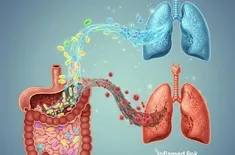
While the marketing often focuses on "harm reduction," the reality of long-term lung health consequences is becoming clearer. The lungs are designed to breathe clean air, not heated aerosols containing heavy metals (like nickel, tin, and lead) and flavoring chemicals.
Chronic vaping can lead to:
- Vapor-Induced Inflammation: Constantly irritating the bronchioles.
- Popcorn Lung (Bronchiolitis Obliterans): Linked to certain flavoring chemicals like diacetyl.
- Weakened Immune Response: Studies suggest vaping may compromise the lungs' ability to fight off infections and bacteria.
Video Concept: "The First Breath" (Testimonial Style)
To truly capture the intensity of this struggle, we envision a raw, testimonial-style video focusing on the intensity of modern nicotine addiction and the immediate health improvements seen after cessation.
The Narrative: The video features a 24-year-old former athlete sitting in a dimly lit, quiet room. There are no flashy graphics—just a close-up of their face. They describe the "phantom reach"—the habit of feeling for a vape in their pocket every 30 seconds.
The Focus: The testimonial focuses on the "intensity of modern nicotine addiction"—describing it not as a choice, but as a "leash." The speaker talks about the panic of a dead battery and the shame of vaping in secret.
The Turning Point: The tone shifts to hope, highlighting the immediate health improvements seen after cessation:
- Day 1: The "heavy" feeling in the chest begins to lift.
- Week 1: Taste buds return; the constant "smoker’s cough" disappears.
- Month 1: The ability to run or climb stairs without gasping for air.
The Message: "It was the hardest thing I've ever done, but I finally have my lungs back."
Proven Quit Strategies
Breaking the cycle requires more than just stopping; it requires a blueprint. Effective quit strategies include:
- The Taper Method: Gradually reducing the nicotine percentage in your e-liquid (e.g., moving from 5% to 3% to 0%).
- NRT (Nicotine Replacement Therapy): Using patches or gum to manage the physical withdrawal symptoms while breaking the hand-to-mouth habit.
- Identifying Triggers: Recognizing that you vape when stressed, bored, or drinking coffee, and replacing the vape with a different action (like drinking ice water or deep breathing).
- The 15-Minute Rule: When a craving hits, tell yourself you only have to wait 15 minutes. Cravings usually peak and subside within this window.