Learn how to exercise safely with COPD or severe asthma. Discover low-impact workouts, pulmonary rehab at home
Exercising with COPD and Severe Asthma: A Comprehensive Guide to Staying Active Safely
For individuals living with Chronic Obstructive Pulmonary Disease (COPD) or severe asthma, the prospect of exercise can be intimidating. The irony of respiratory illness is that the very thing that makes you feel better—physical activity—is often the thing you fear most because it triggers breathlessness.
However, the medical consensus has shifted: Exercise is not just possible; it is essential. By engaging in a structured, safe exercise routine, you can strengthen your heart and muscles, improving how efficiently your body uses oxygen and reducing the overall burden on your lungs.
The Science of Activity and Respiratory Health
When you have COPD or severe asthma, your lungs have a diminished capacity to exchange gases. This often leads to a sedentary lifestyle, which causes muscle deconditioning. Weak muscles require more oxygen to perform basic tasks, creating a vicious cycle of increasing exhaustion.
By implementing pulmonary rehab at home, you can break this cycle. The goal isn't to "fix" the lungs—which may have permanent structural damage—but to optimize the "machinery" (the muscles and heart) that the lungs support.
Understanding Your Limits
Before beginning any program, it is vital to understand the difference between "productive" breathlessness and a respiratory crisis.
- Productive: Feeling winded but still able to speak in short sentences.
- Crisis: Gasping for air, chest tightness that doesn't resolve with rest, or fingernails turning blue.
Core Components of a Safe Exercise Routine
1. Oxygen Saturation Monitoring
One of the most important tools for anyone with severe respiratory issues is a pulse oximeter. Oxygen saturation monitoring allows you to see how your blood oxygen levels respond to exertion in real-time. Most clinicians recommend keeping your SpO2 levels above 90%. If your levels drop below your doctor-recommended threshold, stop, perform pursed-lip breathing, and wait for your levels to recover before continuing.
2. Interval Training
For those with low lung capacity, steady-state cardio might be too taxing. This is where interval training becomes a game-changer. This method involves short bursts of activity followed by equal or longer periods of rest. For example: Walk briskly for 1 minute, then sit or stand still for 2 minutes. This prevents the "stacking" of breaths that leads to severe air trapping in the lungs.
3. Shortness of Breath Management
Effective shortness of breath management involves techniques like Pursed-Lip Breathing. By inhaling through the nose and exhaling slowly through puckered lips (as if blowing out a candle), you create back-pressure in the airways, keeping them open longer and allowing more CO2 to escape.
A Demonstration of Safe, Low-Impact Exercises
This low-impact workout is designed to be performed either seated or standing. These movements focus on maintaining muscle mass—particularly in the legs and core—which reduces the oxygen cost of daily movements like climbing stairs or getting out of a chair.
Seated Exercises (Level 1)
Seated Leg Extensions: Sit tall in a sturdy chair. Extend one leg straight out, hold for two seconds, and lower. This strengthens the quadriceps, the most important muscles for mobility.
Seated Rows: Extend your arms in front of you, then pull your elbows back as if rowing a boat, squeezing your shoulder blades. This opens the chest cavity and improves posture for better lung expansion.
Standing Exercises (Level 2)
Wall Push-Ups: Stand an arm's length from a wall. Place your hands on the wall and slowly lower your chest toward it, then push back. This is a safer alternative to floor push-ups that doesn't compress the diaphragm.
Sit-to-Stands: Use a chair for balance. Slowly sit down and stand back up without using your hands if possible. This mimics daily functional movement.
Building Your Pulmonary Rehab at Home
You don’t need a gym to improve your respiratory endurance. A successful home program focuses on three pillars:
| Pillar | Focus | Why it Matters |
|---|---|---|
| Flexibility | Chest and Neck | Reduces "accessory muscle" tension during breathing. |
| Strength | Large Muscle Groups | Higher muscle efficiency = less gasping for air. |
| Endurance | Walking or Cycling | Improves cardiovascular health and SpO2 stability. |
Precautions and Safety Tips
- Check the Weather: Humidity and extreme cold are major triggers. On "bad air" days, keep your workout indoors.
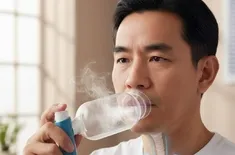
- Keep Rescue Meds Close: Always have your bronchodilator (rescue inhaler) within arm's reach.
- Hydrate: Water thins the mucus in your lungs, making it easier to breathe during exertion.
- Warm-up and Cool-down: Spend at least 5-10 minutes slowly transitioning your heart rate.
Conclusion
Living with COPD or severe asthma doesn't mean you have to stay on the sidelines. By focusing on a low-impact workout, consistent oxygen saturation monitoring, and smart shortness of breath management, you can reclaim your independence. Remember, the best exercise is the one you can do consistently without overexertion.
``` Would you like me to generate a printable PDF version of these exercises for your reference?