Learn how microplastic inhalation affects your health and how to limit exposure today.
Microplastics and the Air We Breathe: The Invisible Threat in Every Breath
For decades, the conversation around air pollution focused on smog, vehicle exhaust, and industrial chemicals. However, a new and more insidious contaminant has entered the atmosphere: plastic. No longer confined to our oceans or landfills, plastic has fragmented into microscopic shards that are now a permanent fixture of our everyday environment.
Recent scientific breakthroughs have confirmed a chilling reality: we are not just living in a plastic world; we are breathing it. From the synthetic fibers of our carpets to the invisible dust shed by car tires, microplastic inhalation is now a continuous physiological event. Perhaps most concerning is the discovery that these particles are no longer just passing through us—they are staying behind, forming permanent lung tissue deposits that challenge our respiratory health in ways we are only beginning to understand.
The Silent Invasion: How Microplastics Enter Our Lungs
Microplastics are defined as plastic fragments smaller than 5 millimeters, but the particles that pose the greatest risk to our breathing are significantly smaller—often less than 10 micrometers (PM10) or even 2.5 micrometers (PM2.5). These tiny pollutants are light enough to remain suspended in the air for days, traveling on wind currents and infiltrating indoor spaces where ventilation is poor.
The Science of Deep Tissue Penetration
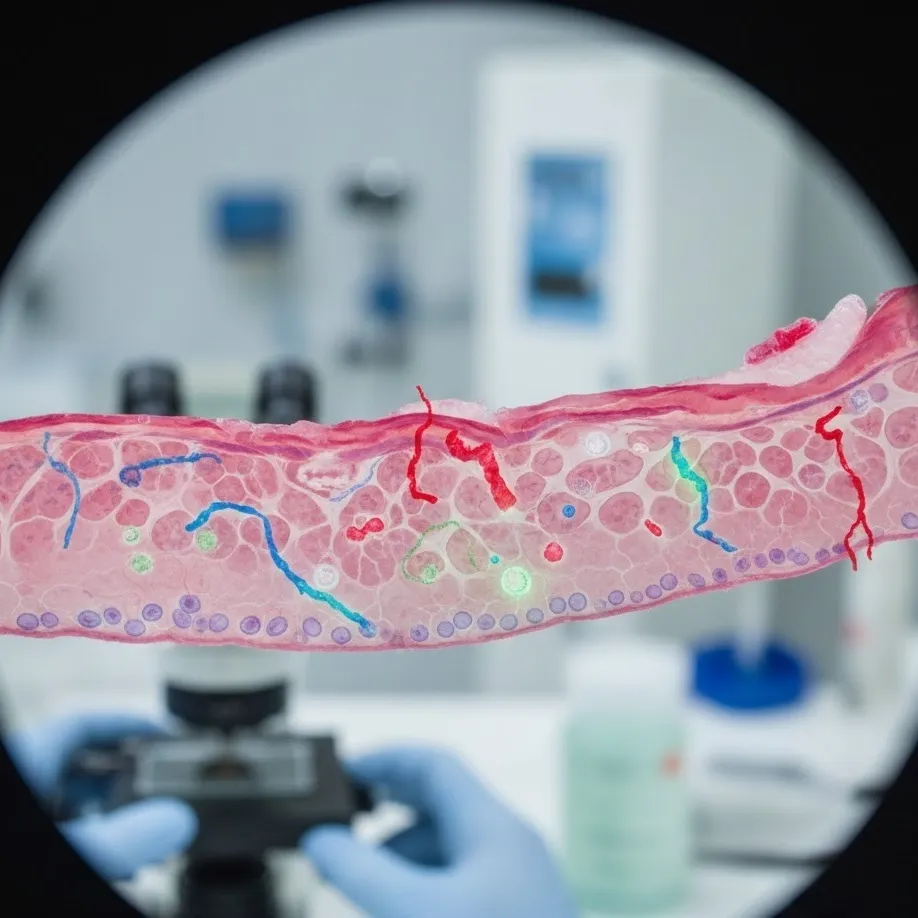
Cutting-edge research published in 2024 and 2025 has moved beyond theoretical risk to physical evidence. In landmark studies, researchers utilized Raman spectroscopy and chemical analysis to examine lung tissue from both living surgical patients and autopsy samples. The results were consistent and alarming:
- Widespread Presence: In many studies, over 90% of tested lung samples contained microplastics.
- Deep Sequestration: Contrary to earlier beliefs that the upper respiratory tract would filter these particles, high concentrations were found in the lower lobes of the lungs.
- Polymer Profiles: The most common materials found were polypropylene (often from masks and packaging) and polyethylene terephthalate (PET) (common in synthetic clothing and bottles).
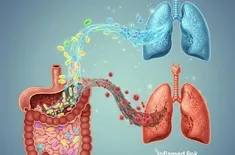
When we inhale, these jagged, non-biodegradable fragments bypass the cilia and mucus membranes of the trachea. Because of their size and shape, they lodge themselves deep within the alveoli—the tiny air sacs responsible for gas exchange. Once embedded, they become lung tissue deposits that the body cannot easily expel.
Health Implications: The Toll of Persistent Plastic
The human body is remarkably efficient at dealing with organic dust or bacteria, but it has no biological blueprint for breaking down synthetic polymers. This leads to a cascade of physiological responses that constitute a significant long-term health risk.
1. Chronic Inflammation and Oxidative Stress
When the immune system detects a foreign plastic particle in the lung, it dispatches macrophages to neutralize it. However, because the plastic is indestructible, the immune response becomes "frustrated." This leads to chronic inflammation and the release of reactive oxygen species (ROS), causing oxidative stress that damages healthy lung cells.
2. The Carrier Effect
Microplastics act like "Trojan horses." Their porous surfaces can adsorb heavy metals, pesticides, and pathogenic bacteria from the surrounding air pollution. When these particles reach the deep lung tissue, they deliver a concentrated dose of secondary toxins directly into the bloodstream.
3. Cellular Transformation and Cancer Risks
Newest research from the Medical University of Vienna (2025) suggests that nanoplastics can trigger malignant changes in lung cells. These changes include DNA damage and the activation of signaling pathways that promote cell growth—early indicators of potential cancer development.
| Potential Health Outcome | Biological Mechanism |
|---|---|
| Pulmonary Fibrosis | Scarring of lung tissue due to persistent irritation and inflammation. |
| COPD & Asthma | Exacerbation of existing conditions through airway hyper-reactivity. |
| Systemic Toxicity | Translocation of nanoplastics from the lungs into the circulatory system. |
| Genotoxicity | Direct damage to DNA from chemical additives like phthalates and BPA. |
Sources of Airborne Microplastics in Our Everyday Environment
To limit exposure, we must first understand where these particles originate. Surprisingly, the everyday environment of our homes often contains higher concentrations of microplastics than the outdoor air.
- Synthetic Textiles: Every move you make in a polyester fleece or nylon shirt sheds thousands of microfibers. These fibers make up a massive percentage of household dust.
- Tire Wear: One of the largest outdoor sources is the abrasion of tires on road surfaces. These "road microplastics" are frequently kicked up into the air near busy highways.
- Household Furnishings: Synthetic carpets, foam cushions, and plastic-based paints slowly degrade over time, releasing "plastic dust" into the living room.
- Personal Care Products: Sprays and powders containing synthetic polymers contribute to immediate inhalation during use.
Strategic Steps to Limit Airborne Exposure
While it is impossible to eliminate plastic exposure entirely in the modern world, individuals can take proactive steps to significantly reduce the "plastic load" on their lungs.
1. Optimization of Indoor Air Quality
Since we spend approximately 90% of our time indoors, our homes are the primary "hotspots" for microplastic inhalation.
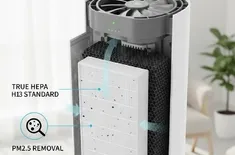
- HEPA Filtration: Invest in high-quality air purifiers equipped with HEPA filters. These are rated to capture 99.97% of particles down to 0.3 microns, effectively trapping most airborne microplastics.
- Frequent Wet-Dusting: Using a damp cloth prevents dust (and the microplastics within it) from becoming airborne during cleaning. Avoid dry dusting or sweeping with standard brooms.
- Ventilation Strategy: Open windows to create cross-ventilation, especially in rooms with many synthetic textiles. However, be mindful of outdoor air quality reports if you live near major roadways.
2. Redesigning Your Wardrobe and Home
- Natural Fibers: Prioritize clothing made from cotton, wool, linen, or hemp. These organic materials do not shed synthetic microplastics and are generally more "lung-friendly."
- Filter Your Laundry: Use microfiber filters on your washing machine. While this primarily helps water systems, it also reduces the amount of loose fiber on your clothes that would otherwise shed into your home's air during wear or drying.
3. Personal Protection in High-Risk Areas
In environments with high levels of air pollution or industrial dust, specialized protection is necessary.
- Filtration Masks: While standard surgical masks offer some protection, N95 or FFP2/FFP3 filtration masks are far more effective. These respirators are designed to form a tight seal and utilize electrostatic fibers to capture the smallest plastic fragments before they can reach your airways.
The Future of Respiratory Health
The discovery of microplastics in our lungs is a wake-up call for global health policy and individual lifestyle choices. We are currently in the "observation phase" of a massive, unintentional human experiment. As researchers continue to track the long-term health risk of these pollutants, the burden of protection falls on the consumer.
By shifting toward natural materials, improving indoor air filtration, and supporting legislation that limits plastic production, we can begin to clear the air—literally. The goal is no longer just about cleaning up our oceans; it is about ensuring that the very air that sustains our lives isn't also the source of our long-term decline.