Learn the facts about essential oil safety, toxic fumes, and clean air alternatives for children and pets.
Essential oils are, by their fundamental chemistry, mixtures of volatile organic compounds. These are chemicals that vaporize readily at room temperature and are what gives the oils their characteristic aroma. While the term "natural" is often associated with safety, in the context of VOCs, it simply means these compounds were derived from plants, often through processes like steam or hydrodistillation.
Essential Oils: Naturally Emitted VOCs and Toxic Fumes
The compounds released by diffusers—including limonene, alpha-pinene, camphene, and methanol—are all classified as VOCs. Studies have identified hundreds of different VOCs emitted from commercially available essential oils, with many classified as potentially hazardous.
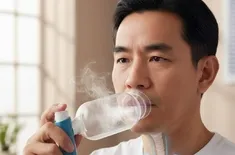
Primary Irritation: Directly inhaled VOCs from essential oil diffusers can act as respiratory irritants. For individuals with conditions like asthma, allergies, or Chronic Obstructive Pulmonary Disease (COPD), exposure can trigger symptoms such as coughing, wheezing, shortness of breath, and throat discomfort.
Secondary Pollutants: A significant and often overlooked danger is the formation of secondary pollutants. VOCs like limonene (a common citrus scent) can react with ozone—a naturally occurring gas in the air—to produce more dangerous compounds, most notably formaldehyde, which is a known respiratory and lung irritant, and even a human carcinogen. This chemical reaction essentially transforms a "pleasant" natural compound into a potentially hazardous indoor pollutant.
The concentration and potential for harm are amplified because essential oils are not regulated with the same scrutiny as pharmaceuticals in many regions. This lack of oversight means the quality, purity, and exact chemical composition of oils—and the potential presence of contaminants—can vary wildly between brands, limiting consumer awareness of potential exposures.
Essential Oil Safety in the Household
The potency of essential oils means they must be treated with caution, especially when used in the home environment where exposure is continuous and often in poorly ventilated spaces.
Children's Health: A Special Concern
Children, particularly infants and toddlers, are highly vulnerable to the effects of essential oil exposure due to several factors:
- Size and Respiration: Children breathe faster than adults, meaning they inhale a higher concentration of airborne chemicals relative to their body size. Their airways are also smaller and more sensitive.
- Accidental Poisoning: Accidental ingestion is a major risk. Highly concentrated essential oils, even in small amounts, can be toxic if swallowed. Symptoms of poisoning in children can range from vomiting and drowsiness to more severe issues like central nervous system depression, chemical burns in the mouth and throat, and even seizures.
Recommendations for Children's Health:
- Secure Storage: Always store essential oil bottles and diffusers out of sight and reach of children, treating them as you would any other household poison or medication.
- Avoid Direct Contact: Never apply undiluted essential oils directly to a child's skin.
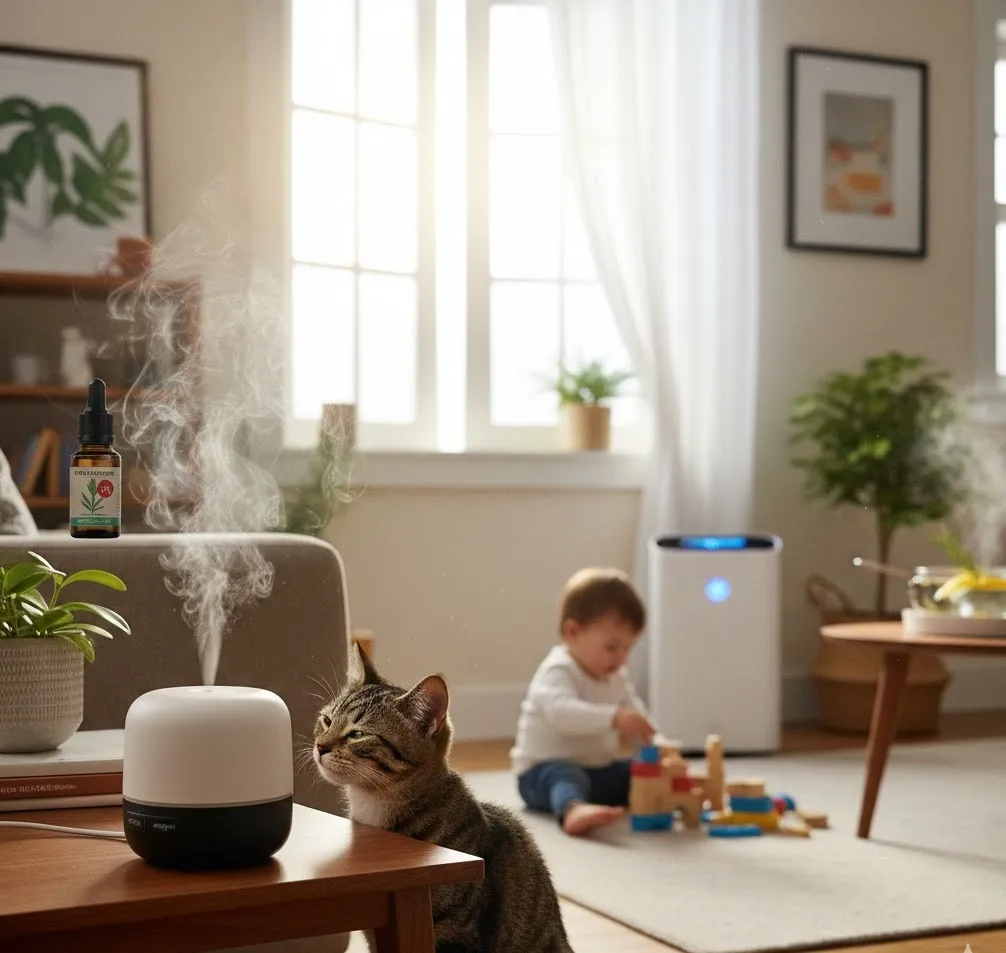
- Minimize Diffusing: Diffuse in a well-ventilated area for short periods only, and never place a diffuser directly next to a child's bed or play area. Certain oils like eucalyptus, peppermint, and tea tree should be avoided entirely around young children.
Pet Safety: The Hidden Danger
The heightened risk of essential oils for pet safety is a critical, yet frequently ignored, concern for pet owners. Cats, in particular, are extremely sensitive and are generally unable to metabolize certain compounds found in many essential oils due to a deficiency in a specific liver enzyme pathway (the P450 cytochrome pathway). This means the compounds can build up to toxic levels in their systems.
- Inhalation and Contact: Both inhalation from a diffuser and direct contact (like a cat grooming itself after walking on a spilled oil) can be harmful.
- Common Toxic Oils: Oils that are especially dangerous to cats and dogs include Tea Tree (Melaleuca), Pennyroyal, Wintergreen, Citrus oils, Peppermint, Pine, Cinnamon, and Ylang Ylang. Symptoms of essential oil poisoning in pets include drooling, vomiting, tremors, unsteadiness, difficulty breathing, and fatigue.
Recommendations for Pet Safety:
- Keep Escape Routes Open: Always ensure pets have a clear, easy way to leave a room where a diffuser is running.
- Diffuse Sparingly: Use minimal drops and diffuse only for short, intermittent periods in a large, well-ventilated area.
- Consult a Veterinarian: If you suspect exposure or notice symptoms, immediately seek veterinary attention.
A Critical Look at Popular Diffusers
Essential oil diffusers come in various forms, but ultrasonic diffusers—which use water and high-frequency vibrations to create a fine, scented mist—are the most common. While they don't produce a flame or heat (unlike candles or tart warmers, which also release toxic fumes from paraffin wax and synthetic fragrances), they still project the full, concentrated chemical composition of the oil directly into the breathable air.
The allure of "natural" aromatherapy often overshadows the fact that these devices are introducing respiratory irritants into the indoor environment. A single instance of diffusing may be tolerable, but chronic, high-level exposure (e.g., running a diffuser all day, every day in a closed space) contributes significantly to poor indoor air quality.
| Use Scenario | Primary Risk | Mitigation Strategy |
|---|---|---|
| Chronic Diffusion | High concentrations of VOCs and secondary pollutants. | Use for short, intermittent periods (30-60 mins) in well-ventilated areas only. |
| Poor Ventilation | Airborne chemicals remain trapped, increasing exposure. | Open a window or door; ensure pets and children can easily leave the room. |
| Ingestion Risk | Highly toxic for children and pets due to concentration. | Store all oils and diffusers securely and out of reach. |
Safer Clean Air Alternatives for Scent
The desire for a pleasant-smelling home is natural, but it shouldn't come at the cost of health and clean air. Fortunately, several alternatives can help achieve a fresh, inviting aroma without the risks associated with concentrated VOCs and toxic fumes.
Ventilation and Air Purification
The most effective way to improve air quality is often to prioritize ventilation and filtration:
- Fresh Air: Simply opening windows daily to exchange indoor air with outdoor air is crucial for reducing the build-up of VOCs from all sources, not just essential oils.
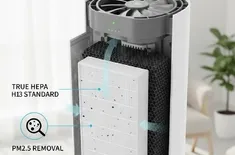
- High-Quality Air Purifiers: Investing in a high-efficiency particulate air (HEPA) filter and activated carbon filter air purifier can actively remove both small particulate matter and gaseous pollutants (including VOCs) from the air.
Low-Concentration Aromatics
For scent specifically, lower-concentration alternatives are generally safer:
- Natural Simmer Pots: Gently simmering natural ingredients on the stove—such as lemon peels, cinnamon sticks, cloves, vanilla extract, and rosemary sprigs—releases a mild, pleasant aroma without projecting concentrated chemicals or synthetic fragrances.
- Hydrosols and Floral Waters: Hydrosols are the aromatic water that remains after the steam distillation of botanicals. They are significantly less concentrated than essential oils, making them a safer option for a subtle fragrance, particularly around sensitive individuals and pets.
- DIY Room Sprays: Creating a diluted room spray with a small amount of essential oil mixed with water and a dispersant (like witch hazel) allows for a quick burst of scent that dissipates faster than a continuously running diffuser.
Non-Aromatic Odor Absorption
For genuinely clean air and odor neutralization, focus on absorption rather than masking:
- Baking Soda: Open containers of baking soda (sodium bicarbonate) are excellent, non-toxic absorbers of odors in refrigerators, closets, and rooms.
- Activated Charcoal: Blocks of activated charcoal are highly porous and effectively trap airborne odors and pollutants without releasing any scent or chemical into the air.
Conclusion
The "natural" label on essential oils can be misleading. While they originate from plants, their concentrated form as pure volatile organic compounds transforms them from benign botanicals into potential respiratory irritants that contribute to indoor air pollution. For the sake of children's health, pet safety, and overall indoor clean air alternatives, mindful use is non-negotiable. This means minimizing diffusion time, ensuring robust ventilation, strictly adhering to essential oil safety precautions, and ultimately prioritizing truly clean air alternatives over the constant diffusion of toxic fumes.