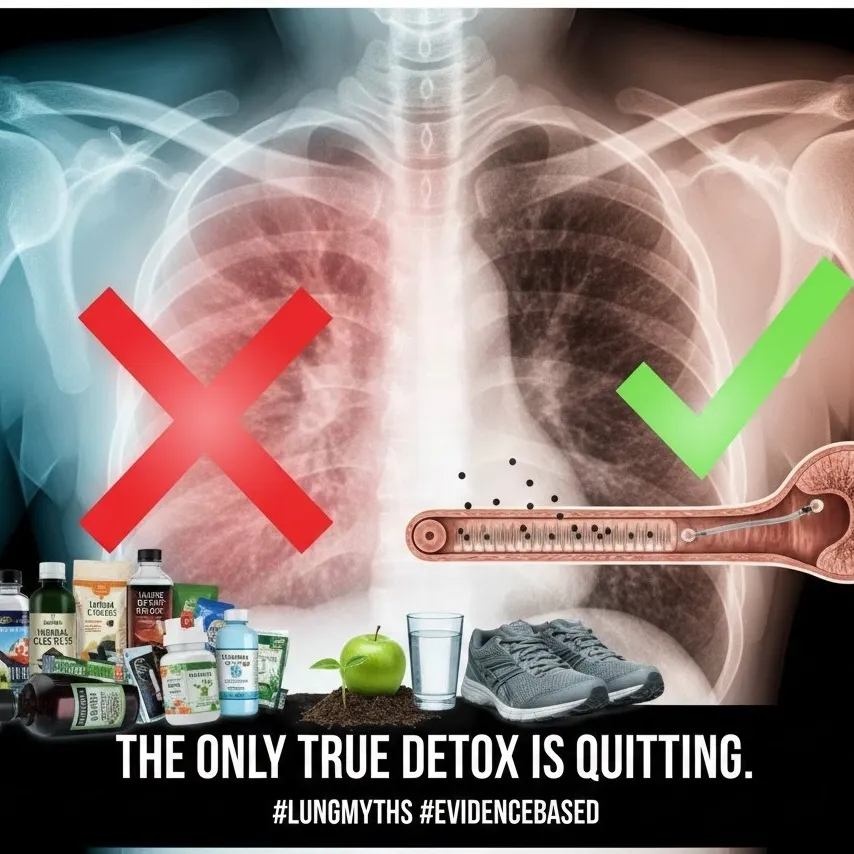
Learn why detox teas fail and how to truly support lung health.
The Great Lung Detox Delusion: Debunking the Top 5 Myths
In an era of "wellness influencers" and "miracle tinctures," our lungs have become the latest target for marketing campaigns promising a fresh start. You’ve likely seen the ads: a murky jar of liquid claiming to pull years of tar out of your chest, or a detox tea that promises to "scrub" your alveoli.
The truth is far less flashy but much more scientifically sound. Your lungs aren't like a vacuum cleaner bag that needs to be emptied; they are a sophisticated, self-cleaning biological marvel. In this comprehensive guide, we strip away the marketing jargon and rely on the scientific consensus to protect your health (and your wallet).
The "Lung Cleanse" Myth: Can You "Scrub" Your Lungs?
The most pervasive lung cleanse myth is the idea that you can ingest a supplement or inhale a vapor to physically "wash" the interior of your respiratory system.
How Your Lungs Actually Work
Your lungs have a built-in "conveyor belt" known as the mucociliary escalator. This system consists of tiny hair-like structures called cilia and a thin layer of mucus. The cilia beat rhythmically to move dust, bacteria, and pollutants upward toward your throat, where they are swallowed or coughed out.
The Verdict
There is no pill or tea that can speed up this mechanical process. In fact, many products marketed as cleanses can actually irritate the delicate lining of your lungs, potentially causing more harm than good.
"Detox Teas" and Liquid Miracles
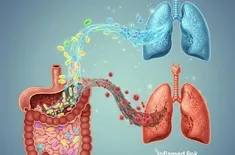
You’ve seen the "Before and After" photos—black lungs turning pink after a 7-day tea regimen. This is one of the most dangerous fake cures circulating on social media.
- The Claim: Ingredients like mullein, ginger, or licorice root will liquefy toxins and flush them through your digestive system.
- The Reality: Digestion and respiration are separate systems. While some herbal remedies may have mild anti-inflammatory properties, they do not travel from your stomach to your lungs to perform a "deep clean."
Important Note: Some detox teas contain diuretics or laxatives, which can lead to dehydration—the exact opposite of what your lungs need to keep mucus thin and moving.
Vitamin Vaping: The Modern Misconception
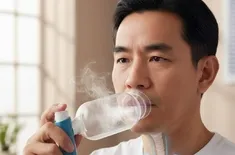
As traditional smoking declined, companies began marketing "vitamin vapes" as a way to "infuse" your lungs with antioxidants like Vitamin C or B12.
Why This is Dangerous
The lung's primary job is gas exchange—taking in oxygen and releasing carbon dioxide. It is not an absorption site for liquid vitamins. Heating these substances creates aerosols that can cause lipid pneumonia or inflammation, where foreign particles trigger an immune response, scarring the delicate tissue. According to lung health facts, inhaling anything other than clean air poses a risk to your long-term respiratory function.
The Myth of "Clearing Mucus" Instantly
Many products promise immediate relief by clearing mucus overnight. While certain over-the-counter expectorants can thin mucus to make it easier to cough up, they are not "detoxing" your lungs; they are simply managing a symptom.
Excessive mucus is usually a sign of an underlying issue such as infection, chronic irritation, or allergies. Using a "cleansing" supplement to mask these symptoms can delay a necessary medical diagnosis.
Salt Rooms and "Himalayan" Cures
Halotherapy, or sitting in a salt room, is often touted as a way to "pull toxins" out of the lungs through osmosis. While some people find temporary relief in controlled clinical saline treatments, sitting in a spa room with salt-covered walls is largely unproven. The scientific consensus remains skeptical of salt rooms as a primary treatment for lung disease.
The Hard Truth: The Only True Detox
If you are looking for a rapid-fire way to improve your lung health, the evidence is clear: The only true detox is quitting smoking or vaping. When you stop introducing toxins, your lungs begin to clear out debris and cilia regain normal function.
Real Ways to Support Your Lungs
- Hydration: Keeps the mucus lining thin.
- Exercise: Improves oxygen efficiency.
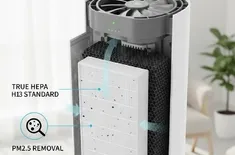
- Air Quality: Use HEPA filters and avoid pollution.
- Vaccinations: Protect against flu and pneumonia.