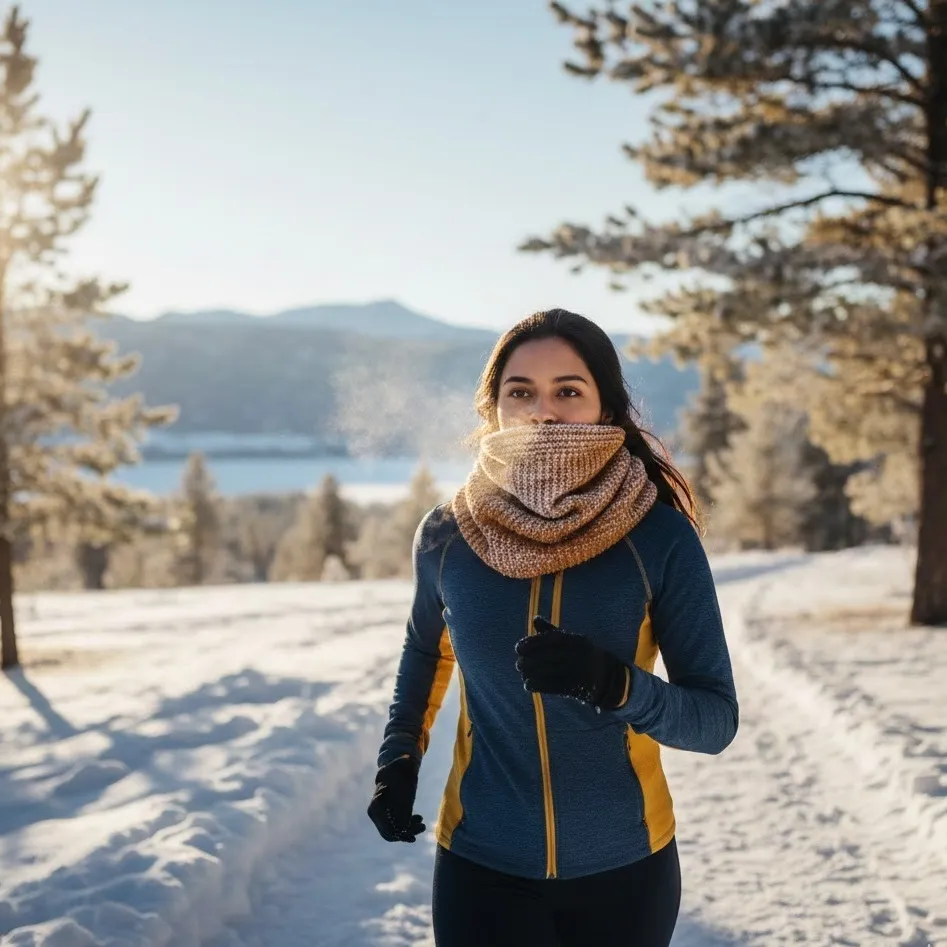
Master the scarf trick and outdoor exercise safety for better winter lung care today.
Cold Weather and Lung Health: The Breath of Winter
As the seasons shift and the vibrant hues of autumn fade into the crisp, stark beauty of winter, our bodies must adapt to a new set of environmental challenges. For many, the arrival of frost on the windowpane signals more than just a change in wardrobe—it marks the beginning of a season where every breath requires a bit more effort. The relationship between cold weather and lung health is a complex one, deeply rooted in how our respiratory system reacts to the physical properties of the air we breathe.
The Science of the Shiver: Why Cold Air Pinches the Airways
To understand why winter feels "heavy" on the chest, we have to look at the biology of our breathing tubes. Our lungs are delicate organs that thrive in warmth and moisture. Under normal conditions, the nose and upper airway act as a sophisticated climate control system, humidifying and heating air to body temperature before it reaches the deep tissues of the lungs.
However, when temperatures plummet, this system can become overwhelmed. Cold air is inherently dry; it lacks the water vapor found in warm, humid air. When you inhale this frigid, parched air, it creates two primary issues:
- Dehydration of the Airway Lining: The thin layer of fluid that lines our airways evaporates quickly in the presence of dry air. This loss of moisture irritates the cells, leading to inflammation.
- The Reflexive Squeeze: In response to the shock of the cold and the loss of moisture, the smooth muscles surrounding the bronchial tubes react defensively. They tighten and narrow in an attempt to protect the lungs.
This narrowing is known as bronchospasm. For the average person, this might result in a slight cough or a feeling of "burning" in the chest during a brisk walk. But for those living with cold air asthma, this reaction is much more intense. The airways don't just narrow; they can seize up, causing wheezing, shortness of breath, and chest tightness that can be both frightening and dangerous.
Mastering the Scarf Trick and Other Winter Lung Care Essentials
Protecting your respiratory system doesn't mean you have to stay indoors until spring. By implementing a few strategic habits, you can mitigate the impact of the elements.
The Power of the Scarf Trick
One of the most effective tools for winter lung care is also the simplest. The scarf trick involves loosely wrapping a scarf over your nose and mouth before heading outside. As you exhale, the scarf traps the warmth and moisture from your breath. When you take your next breath in, the incoming cold air passes through the fabric, picking up that trapped heat and humidity. This pre-warms the air, preventing the thermal shock that triggers bronchospasm. It effectively serves as an external heat-exchange unit for your lungs.
Strategic Outdoor Exercise Safety
Staying active is vital for health, but outdoor exercise safety in sub-zero temperatures requires a specialized approach:
- Warm up indoors: Get your heart rate up and your airways slightly dilated in a warm environment before stepping out.
- Nasal breathing: Try to breathe through your nose rather than your mouth. The nasal passages are much more efficient at warming air than the oral cavity.
- Monitor the AQI: Winter air can often trap pollutants close to the ground. Check air quality reports, as cold air combined with pollution is a double hit to the lungs.
Proactive Cold Weather Protection
Beyond immediate physical barriers, overall winter lung care involves managing your indoor environment and personal health habits. Cold weather protection starts with hydration; staying hydrated helps maintain the mucosal lining in your lungs. Using a humidifier in your home can prevent your airways from drying out while you sleep. Furthermore, if you have been diagnosed with cold air asthma, talk to your doctor about using your rescue inhaler before heading into the cold to prevent the onset of a spasm.
Conclusion: Breathing Easy Until Spring
The "breath of winter" doesn't have to be a source of distress. By understanding the mechanics of how cold air interacts with your biology—specifically the triggers of bronchospasm—you can take control of your comfort. Whether it's through the simple efficacy of the scarf trick or more structured outdoor exercise safety protocols, your lungs can remain protected throughout the season.