Learn how these messenger cells prompt collagen production
In the ever-evolving landscape of skincare, certain ingredients rise to prominence, earning their place as true powerhouses. Among the most buzzed-about are peptides—molecules so fundamental to life that they are now revolutionizing the way we approach anti-aging and skin repair. Far from being a fleeting trend, peptides represent a deep dive into cellular communication, offering a targeted, sophisticated solution to many common skin concerns.
To truly understand peptide benefits, we must first grasp their origin and function. Peptides are essentially short chains of amino acids, which are the fundamental building blocks of proteins. When these amino acids link together, they form a peptide. When the chain of amino acids gets very long, it forms a protein. The two most critical proteins for youthful skin—collagen and elastin—are themselves made up of long polypeptide chains.
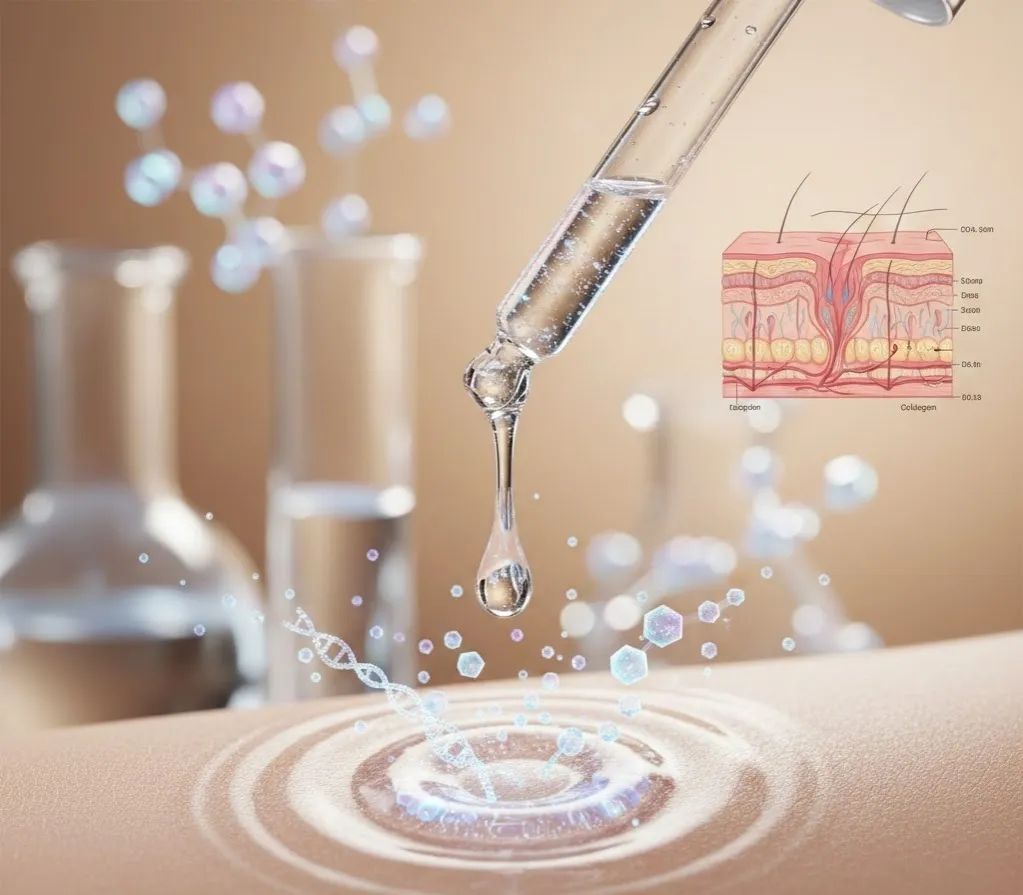
The significance of peptides in skincare lies in their small size. Unlike a large molecule of collagen, which is too big to penetrate the skin's surface when applied topically, peptides are small enough to pass through the outermost layer (the stratum corneum) and interact with the cells below. This ability to penetrate makes them exceptional messenger cells—a key to their remarkable efficacy.
Peptides as Messenger Cells: The Skin’s Internal Email System
Imagine your skin as a massive, complex network of cells constantly sending and receiving instructions. When skin is young, this communication system is robust and efficient. However, as we age, and as environmental factors like UV radiation and pollution cause damage, this communication slows down, leading to a decrease in the production of vital structural proteins.
This is where topical peptides step in. By applying a product rich in peptides, you are essentially introducing a new set of signaling peptides—little protein fragments that mimic the ones created naturally during the breakdown of mature collagen production. When the skin's fibroblasts (the cells responsible for building structural proteins) detect these external peptides, they interpret it as a signal that the existing collagen has broken down and needs urgent replacement.
The result? The fibroblasts are tricked into going back to work, triggering a cascade of biological responses that dramatically ramp up the synthesis of fresh collagen and elastin. This is the core mechanism that underpins the significant firming effect and wrinkle-reducing power for which peptides are celebrated, cementing their status as a leading anti-aging ingredient.
Decoding the Different Types of Peptides and How They Work
Not all peptides are created equal. The specific sequence of amino acids determines the peptide's unique function in the skin. Skincare science has categorized them into four major groups, each targeting a different mechanism to deliver comprehensive anti-aging results.
-
Signal Peptides (The Collagen & Elastin Boosters)
How They Work: As detailed above, these are the quintessential messengers. They signal the fibroblast cells to produce more collagen, elastin, and other components of the extracellular matrix (ECM). They essentially give the skin a clear instruction: Repair and rebuild!
Key Benefits: Increased skin thickness, improved elasticity, and a reduction in the depth and visibility of fine lines and wrinkles. They directly support long-term collagen production.
Common Examples: Palmitoyl Pentapeptide-4 (often called Matrixyl), Palmitoyl Tripeptide-1, and Palmitoyl Tripeptide-5.
-
Carrier Peptides (The Delivery System)
How They Work: Carrier peptides are responsible for transporting trace minerals—such as copper and manganese—into the skin. These minerals are vital cofactors for enzymatic reactions, including those necessary for wound healing and collagen synthesis. Think of them as the skin’s delivery service, ensuring essential building blocks get where they need to go.
Key Benefits: They are well-known for their exceptional wound-healing and repair properties. Copper peptides (GHK-Cu) specifically are celebrated for stimulating collagen and elastin, promoting antioxidant defense, and reducing inflammation. They are often recommended for post-procedure recovery.
Common Examples: Copper Peptides (GHK-Cu).
-
Neurotransmitter Peptides (The Muscle Relaxers)
How They Work: These peptides interfere with the release of acetylcholine, a neurotransmitter that tells facial muscles to contract. By temporarily relaxing the micro-contractions of facial muscles, they help to soften dynamic wrinkles—the lines caused by repeated facial expressions, like crow's feet or forehead furrows.
Key Benefits: A visible, non-invasive smoothing and plumping of expression lines, providing an effect sometimes referred to as "topical Botox," though the results are subtler and temporary. They are a powerful anti-aging ingredient for targeted wrinkle reduction.
Common Examples: Acetyl Hexapeptide-8 (Argireline) and Pentapeptide-18.
-
Enzyme-Inhibitor Peptides (The Collagen Protectors)
How They Work: As we age, our skin naturally produces enzymes called Matrix Metalloproteinases (MMPs) that are responsible for breaking down collagen and elastin. While necessary for natural turnover, excessive MMP activity (often driven by UV exposure and inflammation) accelerates aging. Enzyme-inhibitor peptides block the activity of these MMPs, thus protecting the skin’s existing structural framework.
Key Benefits: Preserving the integrity of the collagen and elastin network, which helps maintain the skin’s structure, elasticity, and firmness. They work to prevent premature breakdown, complementing the work of signaling peptides.
Common Examples: Peptides that target Matrix Metalloproteinases (MMPs).
Maximizing the Peptide Benefits: An Anti-Aging Ingredient for Everyone
The versatility and targeted action of peptides make them suitable for almost any skincare routine, regardless of age or skin type. Unlike ingredients like retinoids or alpha-hydroxy acids (AHAs) that increase cell turnover and can cause irritation, peptides are generally non-irritating, making them a phenomenal choice for sensitive skin or for those who cannot tolerate more aggressive anti-aging ingredients.
Comprehensive Peptide Benefits Include:
- Enhanced Skin Barrier Function: Many peptides support the creation of a stronger, more resilient skin barrier, which is the skin's first line of defense against environmental stressors and moisture loss. A healthy barrier leads to reduced sensitivity and better hydration.
- Reduction of Inflammation: Certain peptides possess natural anti-inflammatory properties, helping to calm redness, soothe irritated skin, and aid in the repair process.
- A Visible Firming Effect: By boosting collagen production and elastin, peptides restore the skin's structural integrity, leading to improved bounce, elasticity, and a noticeable lift, counteracting skin laxity.
- Smoother Texture and Tone: The renewal of structural proteins contributes to a smoother skin surface and a more even texture, helping to diminish the appearance of pores and crepiness.
Pairing Peptides with Other Powerhouses
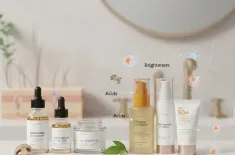
Peptides are highly compatible and work synergistically with many other popular anti-aging ingredients. Combining them can amplify overall results:
- Peptides and Vitamin C: Vitamin C is a powerful antioxidant and a cofactor for collagen production. Using both together provides a robust defense against free radicals while simultaneously stimulating new collagen.
- Peptides and Hyaluronic Acid: Hyaluronic acid is a superb humectant that draws and locks in moisture. The deep hydration it provides works hand-in-hand with the firming effect of peptides, resulting in a plump, dewy, and more resilient complexion.
- Peptides and Niacinamide: Niacinamide (Vitamin B3) supports the skin barrier and reduces redness. When paired with peptides, it enhances the skin's ability to retain moisture and heal, creating an optimal environment for the signaling peptides to work their collagen production magic.
The Takeaway: More Than Just a Hype
The narrative surrounding peptides in skincare is one of sophisticated science and targeted action. They are more than just another hyped anti-aging ingredient; they are vital amino acids sequences that act as clever messenger cells. By mimicking the natural process of collagen breakdown, they prompt the skin to repair and restore itself, resulting in a powerful and noticeable firming effect.
Whether you are seeking to ramp up collagen production that has naturally slowed with age, strengthen a compromised skin barrier, or address persistent fine lines, incorporating a well-formulated peptide product is one of the most proactive and gentle steps you can take. They are a true testament to the power of molecular biology applied to beauty, offering a precise, non-irritating pathway to a smoother, firmer, and more youthful-looking complexion.