Learn the benefits like reducing redness, pore tightening
In a world filled with complex, multi-step skincare routines and expensive gadgets, one of the most effective and simplest beauty hacks has quietly stood the test of time: facial icing, also known as cold therapy or cryotherapy. This age-old practice, which involves applying cold temperatures to the skin, has been a secret weapon for makeup artists and beauty enthusiasts for decades, thanks to its powerful, immediate, and visible benefits.
From ancient practices like bathing in cold springs to modern, high-tech cryo-facials, the principle remains the same: the application of cold to the skin can provoke a remarkable, positive physiological response. It’s an accessible, affordable, and quick way to instantly revitalize a dull complexion, calm distressed skin, and prep your face for a flawless makeup application.
This comprehensive guide will delve deep into the science and practice of facial icing, uncovering the myriad of skin icing benefits, explaining how to safely incorporate this powerful cold therapy into your routine, and identifying the important contraindications you need to know to avoid skin damage.
The Science Behind the Chill: How Cold Therapy Works
Why does a brief chill on the skin have such a dramatic impact? The answer lies in the physiological response of your blood vessels to sudden cold exposure—a process called vasoconstriction, followed by vasodilation.
Vasoconstriction
When the cold (from ice or an ice roller) touches your skin, the blood vessels instantly constrict (shrink) in an effort to maintain the body's core temperature. This immediate constriction is what causes the visible reduction in swelling and reducing redness.
Vasodilation (Rebound Effect)
Once the cold is removed, the body naturally rushes warm, oxygenated, and nutrient-rich blood back to the treated area. This rebound effect is what gives your skin that sought-after, healthy, post-facial glow and promotes a fresher, more vibrant appearance.
This simple mechanism is the foundation for the most cherished skin icing benefits, transforming a sleepy, puffy complexion into a toned, radiant canvas.
Unlocking the Key Benefits of Facial Icing
The benefits of incorporating this cooling ritual are manifold, addressing some of the most common skincare concerns.
-
Banishing Puffiness and Soothing Swelling
One of the most immediate and appreciated effects of facial icing is its ability to combat facial and under-eye puffiness. The cold temperature acts as a powerful anti-swelling agent by constricting blood vessels and stimulating the lymphatic system.
Lymphatic Drainage
The gentle, gliding motions of an ice roller or ice cube (wrapped in a cloth) help to manually push stagnant fluid and toxins out of the face and into the lymph nodes, leading to a visibly more sculpted and de-puffed appearance, especially in the morning.
Targeted Relief
This makes cold therapy an excellent quick fix for a swollen face or eye bags resulting from poor sleep, allergies, or a salty meal the night before.
-
The Power of Reducing Redness and Inflammation Relief
For those with sensitive skin, active breakouts, or inflammatory conditions, icing can be a game-changer.
Calming Breakouts
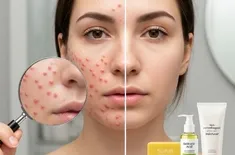
When applied to an angry, inflamed blemish, the cold instantly calms the surrounding tissue. It helps to decrease the swelling and reducing redness associated with acne, making the spot less prominent and often providing immediate inflammation relief.
Soothes Irritation
The cooling sensation is profoundly soothing for skin that is irritated, sunburned, or reactive. It acts like a cool compress, immediately lowering the skin's surface temperature and calming reactive flare-ups.
-
Pore Tightening and Improved Texture
While pore size is genetically determined and cannot be permanently shrunk, facial icing can dramatically reduce their temporary appearance.
Minimized Appearance
The cold causes a temporary tightening of the skin and the pores themselves. This temporary pore tightening effect creates a smoother, more refined skin texture.
Flawless Base
This makes icing a favorite pre-makeup step, as it creates an ultra-smooth canvas that allows foundation and concealer to glide on seamlessly and last longer. The skin appears more even-toned and polished.
-
Enhancing Product Absorption
Many users report that icing their face before applying serums or moisturizers helps the products work better. The initial constriction of blood vessels is followed by vasodilation, which in theory, allows subsequent products to be absorbed more effectively by the skin as circulation is heightened.
A Quick Guide to Using Ice Rollers or Cold Packs
Facial cold therapy can be executed with various tools, from a simple ice cube to sophisticated cryo-globes. The technique, however, is crucial for both safety and effectiveness.
Choosing Your Tool: Ice Roller vs. Cold Pack
Ice Roller
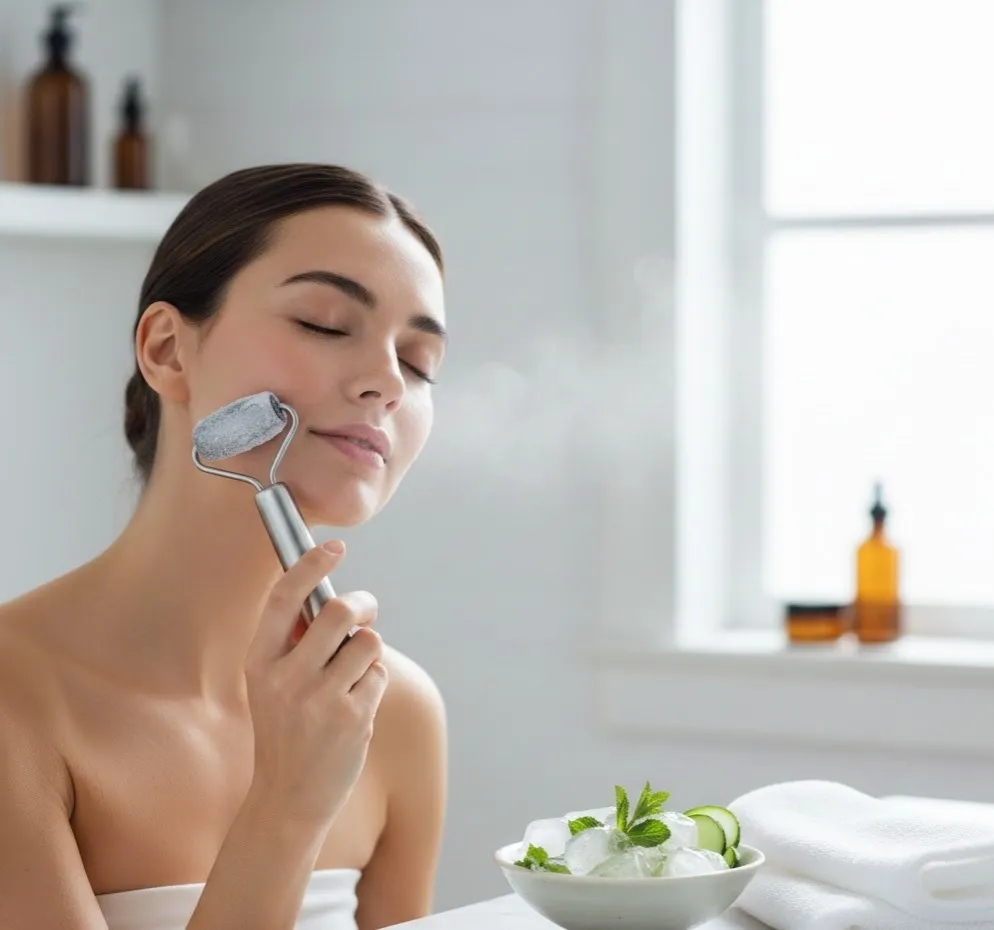
These tools typically feature a gel or liquid-filled head (often stainless steel, plastic, or jade) that you store in the freezer. They offer a larger surface area and a comfortable handle for an even, gliding massage.
- Best for: General puffiness, morning routine, full-face lymphatic massage.
Cold Pack / Ice Cubes
For ice cubes, always wrap them in a clean, soft cloth or thin towel to create a barrier and prevent "ice burn" or frostbite. You can also use frozen gel packs or specialty cryo-globes.
- Best for: Targeted spot-treatment (like a single inflamed blemish), quick inflammation relief, and delicate under-eye areas.
The Cold Therapy Application Technique
Apply the cold tool to clean skin, after cleansing but before applying your serums and moisturizer.
- Forehead: Start at the center of your forehead and roll or glide outward and upward toward the hairline and temples.
- Eyes: Use an extremely light touch. Start at the inner corner of the under-eye area and gently roll outward toward the temple. This is vital for reducing puffiness. Avoid direct contact with the eyeball or applying pressure.
- Cheeks: Begin at the sides of your nose and roll upward and outward across the cheekbones towards the ears.
- Jawline and Neck (Lymphatic Drainage): For maximum de-puffing, finish by rolling down the sides of the neck toward the collarbone. This helps to guide accumulated fluid and toxins into the lymph nodes for drainage.
- Duration: Keep the tool moving constantly. Do not hold it in one spot for more than 10-15 seconds. The total treatment should last between 5 to 10 minutes.
Soothe Skin Post-Treatment
A quick guide to using ice rollers or cold packs to calm inflammation, reduce puffiness, and soothe skin post-treatment:
Immediately following professional treatments like micro-needling, laser treatments, or strong peels, your skin will often experience significant inflammation relief, swelling, and heat. Applying a cool tool is a highly recommended aftercare step.
- Purpose: To rapidly reduce the internal heat, minimize swelling, provide immediate soothing, and accelerate the natural healing process.
- Method: Use a clean, sterilized ice roller or a cold compress/gel pack immediately after the procedure (if approved by your technician). Use gentle, sweeping motions, never pressing hard. A cold, damp cloth wrapped around an ice pack is ideal for full-face coverage.
- Benefit: The rapid application of cold therapy quickly brings the surface temperature down, calms the appearance of flushing and reducing redness, and provides much-needed comfort, allowing the skin to recover more comfortably.
Safety First: Contraindications and Essential Precautions
While facial icing is generally safe for most, improper technique or use on unsuitable skin can lead to damage. Adhering to safety guidelines is paramount.
Contraindications – When to Avoid Facial Icing:
Facial icing is not suitable for everyone, and certain skin conditions or health issues make it a contraindication.
- Open Wounds or Active Infections: Never apply ice to broken skin, blisters, or active cold sores, as this can worsen the infection or cause further damage.
- Compromised Skin Barrier: If you are experiencing excessive dryness, peeling, or irritation (a sign of a compromised skin barrier), the extreme cold can exacerbate the damage.
- Rosacea and Broken Capillaries (Telangiectasias): Individuals with severe rosacea or visible broken capillaries should use extreme caution or avoid facial icing altogether. Rapid changes in temperature can trigger rosacea flare-ups and potentially worsen the appearance of fragile capillaries.
- Raynaud’s Disease: This condition causes some areas of the body to feel numb and cold in response to cold temperatures or stress. Cold therapy should be avoided.
- Diabetes with Nerve Damage: Individuals with certain health issues that affect circulation or nerve sensation should consult a doctor before use.
- Post-Procedure (Wait Time): While light cooling post-treatment is fine, avoid vigorous rolling or intense cold immediately following certain aggressive procedures (like deep chemical peels) unless specifically directed by your dermatologist.
Essential Safety Precautions:
- Never Apply Ice Directly to Bare Skin: This is the most crucial rule. Direct contact can cause an "ice burn," a form of frostbite, which can lead to redness, blistering, and potential scarring. Always use a protective barrier like a cloth, gauze, or a specialized facial tool.
- Keep It Moving: Do not hold the cold compress on a single spot for more than a few seconds. Continuous movement prevents localized nerve or tissue damage.
- Listen to Your Skin: A cool sensation is good; pain or an intense burning feeling is not. Discontinue immediately if you experience significant discomfort, numbness, or persistent, unusual skin discoloration.
- Clean Your Tools: Always clean your ice roller or cold packs before and after use to prevent the transfer of bacteria onto your skin.
Conclusion: A Simple Ritual, Powerful Results
The simplicity and efficacy of facial icing make it a practice worthy of a permanent spot in any skincare routine. It’s a powerful, cost-effective form of cold therapy that offers a wealth of skin icing benefits, from instant de-puffing and reducing redness to remarkable pore tightening and inflammation relief.
By understanding the science, mastering the technique, and respecting the contraindications and safety precautions, you can harness the invigorating power of the chill. Whether you're prepping your skin for a special event, soothing a troublesome breakout, or just seeking a vibrant, healthy glow, a few minutes of facial icing is the ultimate refreshing skin pick-me-up. Embrace the chill and unveil your most radiant, calm, and toned complexion.