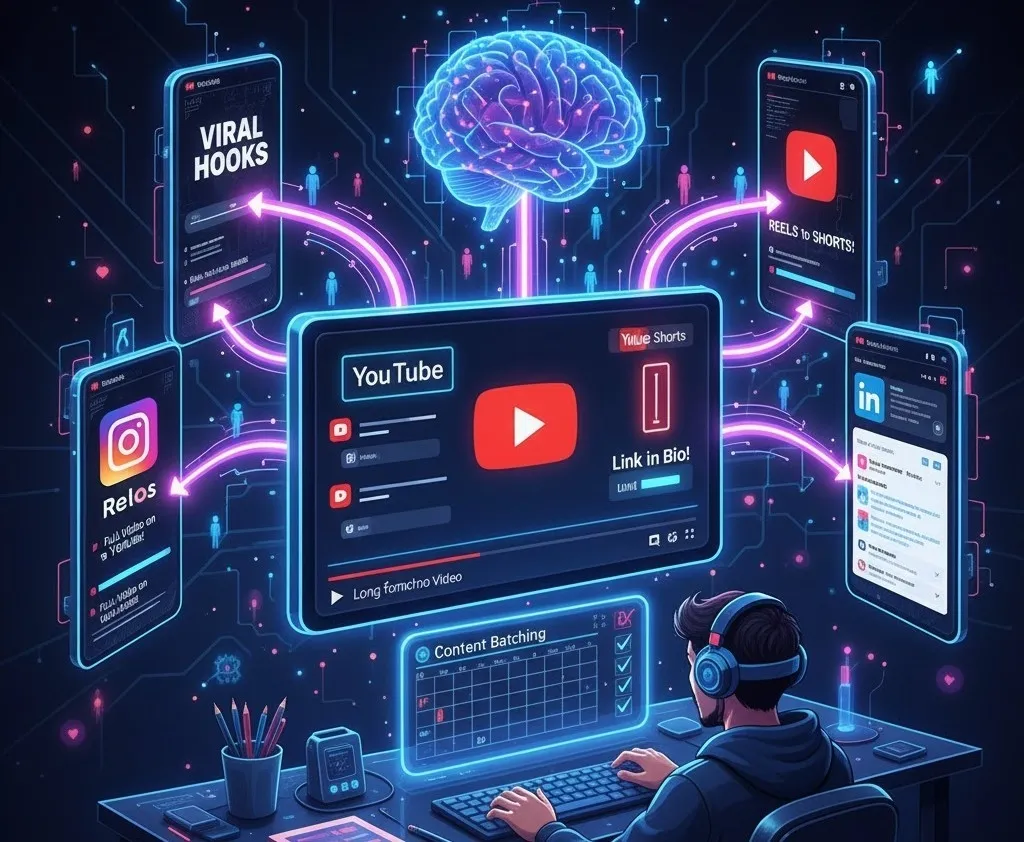
Turn one long-form video into 5 pieces using content batching for TikTok to YouTube traffic. Learn to create viral Reels to Shorts.
In the modern digital landscape, the biggest constraint for creators is not creativity, but time. The relentless demand to publish on YouTube, Instagram, TikTok, and LinkedIn simultaneously is a sure path to burnout. The solution is not to work harder, but smarter, by mastering the art of repurposing.
Repurposing is the strategic process of taking one primary, high-value content asset—typically a long-form video or podcast—and transforming it into multiple smaller, format-specific pieces for distribution across different platforms. This technique is the key to maximizing output, enabling a creator to maintain a consistent presence everywhere without the exponential effort of creating everything from scratch.
This guide will provide a step-by-step workflow for turning a single long-form video into five or more pieces of platform-optimized content, primarily focusing on using viral short-form clips (from platforms like TikTok and Reels) for cross-promotion to drive highly engaged traffic back to your main YouTube channel.
The Strategy: The Content Multiplier Effect
The goal of content repurposing is to achieve a content batching workflow that results in a multiplier effect. Instead of a 1:1 effort-to-output ratio, you aim for a 1:5 or 1:10 ratio.
The Repurposing Hierarchy (Long-Form First)
The most efficient workflow starts with the longest, most authoritative piece of content, which we call the "Anchor Content."
- Anchor Content (YouTube Video/Podcast): A 10-20 minute deep dive on a single topic (e.g., "The Ultimate Guide to Digital Marketing SEO"). This content is designed for search, authority, and monetization.
- Repurposed Content (The Multiplier): Shorter, high-impact pieces designed for discovery, virality, and cross-promotion (e.g., YouTube Shorts, Instagram Reels, TikTok videos, Twitter threads).
This approach ensures that your message is consistent, your content is searchable (via the long-form anchor), and your reach is maximized (via the short-form distribution network).
The Step-by-Step Workflow: From 1 Video to 5 Outputs
Here is the strategic workflow for transforming a single 15-minute YouTube video into over five distinct pieces of content designed for multi-platform growth.
Step 1: Long-Form Video Creation & Content Batching (The Anchor)
- Action: Produce your primary 10-15 minute YouTube video. During scripting, strategically include 3-5 distinct, high-impact moments that serve as future short-form clips. These should be quotable, visually engaging, or deliver a rapid "Aha!" moment.
- Output 1: YouTube Video: The full 15-minute video, optimized with a strong SEO title and description.
Step 2: The Vertical Clip Atomization (The Viral Hooks)
This step is where the true repurposing power lies—converting horizontal video into vertical, viral-style short-form content.
- Identify 3-5 Key Clips: Review the long-form video and isolate the moments you scripted for virality. Clips should be 30-60 seconds long and must stand alone without context.
- Vertical Editing: Export these clips in a 9:16 vertical aspect ratio.
- Enhancement for Virality: This is crucial. To succeed on TikTok to YouTube or Reels to Shorts pathways, the clips must be visually enhanced:
- Dynamic Captions: Add highly visible, large captions that track the speaker. This increases watch time by catering to users watching without sound.
- Visual Zoom/Jumps: Use subtle, fast zooms or jump cuts to maintain pacing and energy.
- Progress Bar: Add a thin progress bar to show the video length, encouraging completion.
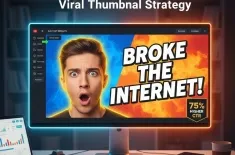
- Hook/CTA Overlay: Include a clear text overlay hook at the beginning and a cross-promotion Call-to-Action (CTA) at the end, such as "Full guide on my YouTube channel (link in bio!)"
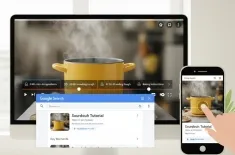
- Output 2: YouTube Shorts: Upload the best 2-3 vertical clips directly to your YouTube channel as Shorts, using a title/description that links to the original long-form video.
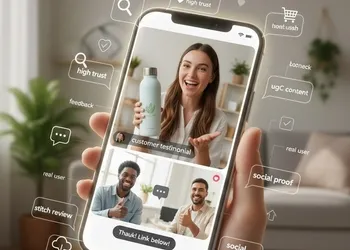
- Output 3: Instagram Reels: Post 2-3 vertical clips to Instagram, leveraging trending audio for maximum reach. The CTA is always to check the TikTok to YouTube channel (or main website link in bio).
- Output 4: TikTok Videos: Post 1-2 vertical clips to TikTok. While you're promoting the TikTok to YouTube path, the content itself should feel native to the TikTok feed.
Step 3: Audio and Text Adaptation
The remaining repurposing is simpler, transforming the core message into different formats for platforms with different consumption habits.
- Output 5: Podcast/Audio Snippet: Strip the full audio from the long-form video. You can publish the entire audio track as a podcast episode. Alternatively, isolate a 5-minute deep-dive section as a standalone "mini-podcast" episode for platforms like Spotify/Apple Podcasts.
- Output 6: LinkedIn Article/Post: Transcribe the video (AI tools like Descript or Otter.ai make this fast). Condense the transcript into a 500-700 word thought leadership article or a numbered list post for LinkedIn. Focus on professional takeaways and tag relevant industry terms.
- Output 7: Social Media Text (Twitter/X Thread): Take the 5 main points of the video and turn them into a high-value Twitter/X thread with a clear, engaging hook and a final link back to the long-form video.
By applying this layered repurposing strategy and focusing on content batching, you efficiently achieve maximizing output and ensure that a single idea reaches every segment of your audience, regardless of their preferred platform.
The Cross-Promotion Engine: TikTok to YouTube & Reels to Shorts
The fundamental goal of this strategy is to use the massive reach and discovery power of short-form platforms (TikTok, Instagram Reels) to funnel engaged users back to the high-value, long-form content (YouTube). This is the most effective form of cross-promotion.
A. The Reels to Shorts Strategy
The short-form video algorithms (Shorts, Reels, TikTok) reward native content. They are not primarily designed for search, but for instant virality and watch time. Your strategy is to capture attention and direct it:
- The Hook: The first 3 seconds of the short clip must be a compelling loop or a controversial statement (e.g., "Stop doing X SEO tactic immediately!").
- The Cliffhanger: The clip should cut off just before the full answer or the critical insight is revealed.
- The Clear CTA: Use prominent on-screen text and the verbal outro to state: "For the full step-by-step guide, click the link in my bio/channel. Search [specific video title] on YouTube!" This creates an open loop that the viewer must close by visiting your main channel.
B. Driving TikTok to YouTube Traffic
While TikTok's algorithm excels at discovery, YouTube offers monetization and long-term search value.
- TikTok Link in Bio: Ensure your TikTok profile link points directly to your main YouTube channel or a landing page that hosts your latest long-form video.
- YouTube Shorts as a Bridge: By publishing the same clips as YouTube Shorts, you introduce the short-form viewer to your main channel environment. If the short video delivers value, the user is likely to stick around and watch a longer video. This acts as a powerful funnel from the volatile short-form ecosystem into the stable, searchable YouTube platform.
Maximizing Output and Efficiency with Content Batching
To make this workflow sustainable, content batching is essential:
- Dedicated Repurposing Day: Block off a specific day or half-day purely for repurposing and scheduling the derivative content. Avoid context switching between filming, editing, and repurposing.
- Tool Stack Automation: Use specialized tools to streamline repetitive tasks:
- Transcription: AI tools for fast, accurate video-to-text conversion.
- Short-Form Editing: Tools that automatically resize clips, add captions, and remove watermarks (essential for TikTok to YouTube and Reels to Shorts cross-promotion).
- Scheduling: Use a multi-platform scheduler to schedule the entire week’s worth of content (Shorts, Reels, LinkedIn, Twitter) immediately after content batching is complete.
This systematic approach to repurposing allows the creator to focus 80% of their energy on creating the high-quality long-form anchor content, knowing that the remaining 20% of effort will efficiently yield 5x to 10x the audience reach, dramatically maximizing output and securing true multi-platform growth.