Discover how CPR and AED use save lives during a sudden collapse.
Understanding the Critical Distinctions: Cardiac Arrest vs Heart Attack
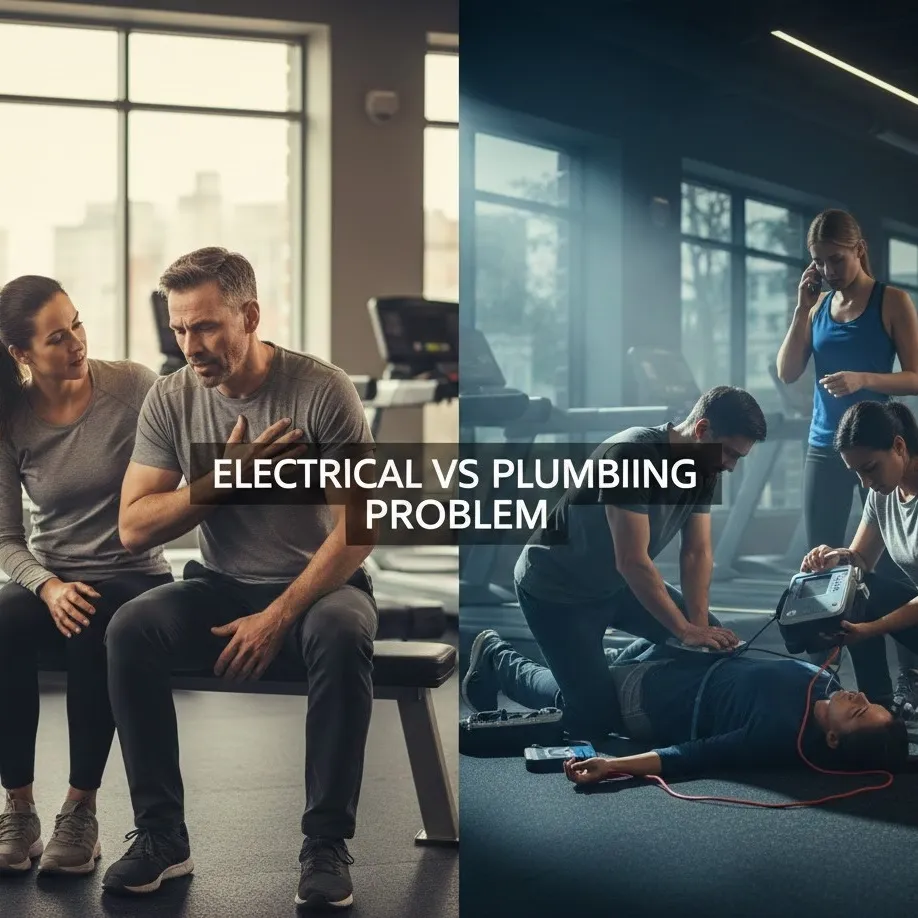
In the high-stakes world of medical emergencies, few terms are as frequently confused—yet as fundamentally different—as a heart attack and cardiac arrest. To the untrained eye, both involve a person in distress, clutching their chest or collapsing. However, to a first responder or a medical professional, the difference is as stark as a clogged pipe versus a blown fuse.
Understanding the nuance of cardiac arrest vs heart attack is not just an academic exercise; it is life-saving knowledge. When you can recognize the symptoms and the underlying mechanics of these two events, you are better equipped to provide the specific help needed to increase survivability.
The Core Concept: Electrical vs Plumbing Problem
The easiest way to internalize the difference between these two conditions is to look at the heart’s anatomy through the lens of home maintenance.
Heart Attack: The "Plumbing" Issue
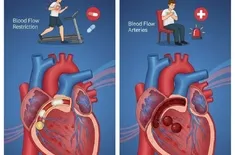
A heart attack, known medically as a myocardial infarction, is a circulation problem. It occurs when blood flow to a part of the heart muscle is blocked. If the "pipe" (the artery) is blocked by a buildup of plaque or a blood clot, the section of the heart nourished by that artery begins to die because it isn't receiving oxygen.
-
The Heart Keeps Beating: During a heart attack, the heart usually does not stop beating. The person remains conscious, though they may be in intense pain or discomfort.
-
The Goal: The primary objective is to reopen the blockage as quickly as possible to prevent permanent damage to the heart muscle.
Cardiac Arrest: The "Electrical" Issue
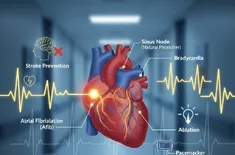
In contrast, cardiac arrest is an electrical problem. It occurs when the heart’s internal electrical system malfunctions and causes the heart to stop beating unexpectedly. This "short circuit" triggers an irregular heartbeat (arrhythmia), such as ventricular fibrillation.
-
The Heart Stops: When the electrical system fails, the heart stops pumping blood to the brain, lungs, and other organs.
-
The Result: This leads to a sudden collapse. The person loses consciousness almost instantly and stops breathing or is only gasping.
-
The Goal: The primary objective is to "restart" the heart or provide manual circulation until the rhythm can be restored.
Recognizing the Signs: Symptoms of a Heart Attack
Because a heart attack is a plumbing issue, the symptoms often develop slowly and can last for hours or even days before the "clog" causes a major event. It is important to note that symptoms can vary significantly between men and women.
Common Symptoms:
-
Chest Discomfort: Pressure, squeezing, fullness, or pain in the center of the chest. It often lasts more than a few minutes or goes away and comes back.
-
Upper Body Pain: Discomfort in one or both arms, the back, neck, jaw, or stomach.
-
Shortness of Breath: This may occur with or without chest discomfort.
-
Cold Sweats, Nausea, or Lightheadedness: Often referred to as "silent" symptoms, these are common in women and diabetics.
If you suspect someone is having a heart attack, the immediate action is to call emergency services. Every minute the heart muscle goes without oxygen increases the risk of permanent disability or death.
Recognizing the Signs: The Suddenness of Cardiac Arrest
Unlike the "slow burn" of many heart attacks, cardiac arrest is violent and immediate. There is rarely a warning.
Key Indicators:
-
Sudden Collapse: The individual falls to the ground without warning.
-
Loss of Consciousness: They do not respond to shouting or shaking.
-
No Breathing: The person is either not breathing at all or is making "agonal gasps" (ineffective, snorting sounds).
-
No Pulse: Because the heart has stopped, there is no detectable pulse.
In these instances, the clock is ticking. For every minute that passes without intervention, the chances of survivability drop significantly.
The Critical Distinction in Response
The way you treat these two conditions is vastly different. While both require professional medical help (calling emergency services), the immediate "layperson" intervention differs.
How to Respond to a Heart Attack
-
Call 911 immediately. Do not drive the person to the hospital yourself.
-
Keep the person calm. Have them sit or lie down.
-
Aspirin: If the person is not allergic, emergency operators may advise them to chew an aspirin to help thin the blood and mitigate the blockage.
How to Respond to Cardiac Arrest
Because the heart has stopped, the person is technically "clinically dead." You must act as their heart and lungs until professional help arrives.
-
Call 911.
-
Start CPR: High-quality CPR (Cardiopulmonary Resuscitation) keeps oxygenated blood flowing to the brain.
-
Use an AED: If one is available, immediate AED use is the only way to "reboot" the heart’s electrical system.
The Role of CPR and AEDs in Survivability
When we talk about the electrical vs plumbing problem, the solution for the electrical failure is the most time-sensitive. This is where CPR and AED use become the heroes of the story.
The Power of CPR
Hands-only CPR—pushing hard and fast in the center of the chest—acts as a manual pump. While it rarely restarts the heart on its own, it keeps the brain alive by providing a small but critical amount of blood flow.
The Power of the AED
An Automated External Defibrillator (AED) is a portable device that analyzes the heart's rhythm. If it detects a "shockable" rhythm, it delivers an electric shock to stop the chaotic electrical activity, allowing the heart's natural pacemaker to take over and re-establish an effective rhythm.
Crucial Fact: You cannot "accidentally" shock someone with an AED who doesn't need it. The machine will only allow a shock if it detects a specific type of cardiac arrest.
Can a Heart Attack Lead to Cardiac Arrest?
Yes. This is a common source of confusion. While they are different conditions, they are linked. A heart attack (the plumbing issue) is a leading cause of cardiac arrest (the electrical issue).
When the heart muscle is damaged by a lack of oxygen during a heart attack, the damaged tissue can interfere with the heart’s electrical signals, triggering a sudden "short circuit" that leads to cardiac arrest. This is why immediate medical attention for a heart attack is vital—it prevents the "plumbing" problem from becoming a fatal "electrical" one.
Prevention and Preparedness
Improving survivability statistics in our communities starts with education and preparation.
-
Know Your Risks: High blood pressure, high cholesterol, smoking, and sedentary lifestyles contribute to "plumbing" issues (heart attacks).
-
Get Trained: Take a local CPR and AED certification course. Knowing how to handle a sudden collapse can turn a bystander into a lifesaver.
-
Locate AEDs: Pay attention to where AEDs are located in your workplace, gym, or local shopping center.
Summary Table
| Feature | Heart Attack (Plumbing) | Cardiac Arrest (Electrical) |
| Cause | Blocked artery/Circulation | Malfunction in electrical rhythm |
| Symptoms | Chest pain, nausea, shortness of breath | Sudden collapse, no breathing, no pulse |
| Consciousness | Usually conscious | Unconscious |
| Immediate Action | Call 911, keep calm | Call 911, CPR, AED use |
| Link | Can lead to cardiac arrest | Is a rhythm failure |