Learn the difference between hypertension stages, high blood pressure causes, and monitoring tips.
Decoding Your Blood Pressure Numbers: Systolic vs. Diastolic
The Silent Language of Your Heart: What Your Blood Pressure Numbers Mean
Blood pressure is one of the most vital signs your body produces, yet it's often misunderstood. When a nurse or doctor announces your blood pressure, they give you two numbers, such as "120 over 80." These two figures—the systolic and the diastolic pressure—tell a critical story about the health of your heart and arteries. Understanding what these numbers represent is the first, crucial step in taking control of your cardiovascular health and preventing long-term damage.
At its core, blood pressure is simply the force of your blood pushing against the walls of your arteries as your heart pumps it through your circulatory system. When this force is consistently too high, it's known as high blood pressure, or hypertension.
Systolic vs. Diastolic: The Two Critical Measures
The two numbers you receive correspond to two different phases of your heart's action:
- Systolic Pressure (The Top Number): This is the higher number. It measures the pressure in your arteries when your heart beats and pushes blood out. Think of it as the peak force or the "working pressure." A high systolic number means your heart has to pump harder to push blood through, often against resistance in the arteries.
- Diastolic Pressure (The Bottom Number): This is the lower number. It measures the pressure in your arteries when your heart is at rest, between beats, and is filling with blood. This represents the residual pressure or the "resting pressure" on your arterial walls. A high diastolic number indicates that your arteries are stiff and don't relax properly, keeping pressure elevated even when the heart isn't actively contracting.
Both numbers are important, but for people over 50, systolic pressure is often considered a more significant risk factor for cardiovascular disease.
A Clear Explanation of High Blood Pressure (Hypertension)
A clear, non-technical explanation of what high blood pressure means is this: Imagine your arteries are garden hoses. When the water is running at a normal, steady rate, the hose wall experiences normal pressure. However, if the water flow is too forceful, or if the walls of the hose are stiff and the opening is narrow, the pressure inside spikes.
In the human body, this sustained, high force damages the delicate lining of your arteries. Over time, this damage leads to:
- Artery Hardening (Atherosclerosis): Arteries become less elastic and narrower, making the heart work even harder.
- Organ Damage: High pressure can destroy the tiny blood vessels in vital organs, primarily the kidneys, brain (leading to stroke), and eyes.
- Heart Strain: The heart muscle thickens and eventually weakens from constantly working against high resistance, leading to heart failure.
In short, high blood pressure is a major, yet often symptomless, contributor to heart attacks, strokes, and kidney disease.
Understanding Hypertension Stages
Blood pressure is categorized into several stages to help doctors determine the necessary treatment, lifestyle changes, and monitoring schedule. For adults, the general guidelines from the American Heart Association (AHA) and the American College of Cardiology (ACC) are:
| Category | Systolic (Top Number) | Diastolic (Bottom Number) |
|---|---|---|
| Normal | Less than 120 mmHg | AND Less than 80 mmHg |
| Elevated | 120–129 mmHg | AND Less than 80 mmHg |
| Hypertension Stage 1 | 130–139 mmHg | OR 80–89 mmHg |
| Hypertension Stage 2 | 140 mmHg or higher | OR 90 mmHg or higher |
| Hypertensive Crisis | Higher than 180 mmHg | AND/OR Higher than 120 mmHg |
The Difference Between Stage 1 and Stage 2 Hypertension
- Stage 1 Hypertension: This is often the initial alert. A person in Stage 1 has a systolic pressure consistently between 130 and 139 mmHg OR a diastolic pressure consistently between 80 and 89 mmHg. At this stage, doctors usually recommend aggressive lifestyle changes—such as starting the DASH diet—and may consider medication, especially if the person already has other risk factors like diabetes or kidney disease. The goal is to bring the pressure back down quickly before long-term damage occurs.
- Stage 2 Hypertension: This is a much more serious diagnosis. A person in Stage 2 has a systolic pressure of **140 mmHg or higher** OR a diastolic pressure of **90 mmHg or higher**. For almost everyone in this stage, doctors will recommend a combination of two or more blood pressure medications along with significant lifestyle modifications to reach their blood pressure goals. The risk of a major cardiovascular event (like a stroke) is significantly elevated at this level.
The Roots of the Problem: High Blood Pressure Causes
In most cases, the exact cause of hypertension isn't known, which is why it's often called essential or primary hypertension. However, many factors significantly increase the risk:
- Age: Blood pressure tends to rise as you age.
- Family History: A genetic predisposition plays a large role.
- Diet: A diet high in sodium, low in potassium, or low in fruits and vegetables.
- Physical Inactivity: Lack of exercise contributes to weight gain and overall cardiovascular strain.
- Obesity/Overweight: Increased body mass requires more blood, which increases the pressure on arterial walls.
- Alcohol and Tobacco Use: Smoking immediately raises blood pressure and damages artery walls. Heavy alcohol consumption can also lead to chronic hypertension.
- Chronic Stress: Stress hormones can temporarily raise blood pressure, and chronic stress may contribute to long-term hypertension.
In a smaller percentage of cases, high blood pressure is caused by an underlying medical condition like kidney disease, thyroid issues, or certain medications. This is called secondary hypertension.
Reaching Your Blood Pressure Goals: Strategies for Success
The ultimate goal of blood pressure management is to reduce the risk of heart disease and stroke. For most healthy adults, the blood pressure goals recommended by clinical guidelines are less than 130/80 mmHg.
Achieving this goal requires a multi-faceted approach, emphasizing lifestyle over everything else:
The Power of Diet: The DASH Diet
The DASH diet (Dietary Approaches to Stop Hypertension) is consistently recommended by healthcare professionals as one of the most effective non-medication ways to lower blood pressure. It focuses on:
- Low Sodium: Limiting sodium intake to no more than 1,500–2,300 mg per day (about one teaspoon).
- High Potassium, Calcium, and Magnesium: These minerals counteract the effects of sodium.
- Emphasis on: Fruits, vegetables, whole grains, lean protein (like fish and poultry), and low-fat dairy.
- Limitation of: Red meats, sweets, sugary drinks, and foods high in saturated fat.
Lifestyle Modifications
- Regular Exercise: Aim for at least 150 minutes of moderate-intensity aerobic activity per week (e.g., brisk walking).
- Weight Management: Losing even a small amount of weight can significantly lower blood pressure.
- Limiting Alcohol: Restricting alcohol to no more than two drinks per day for men and one for women.
Monitoring Tips: Taking Control at Home
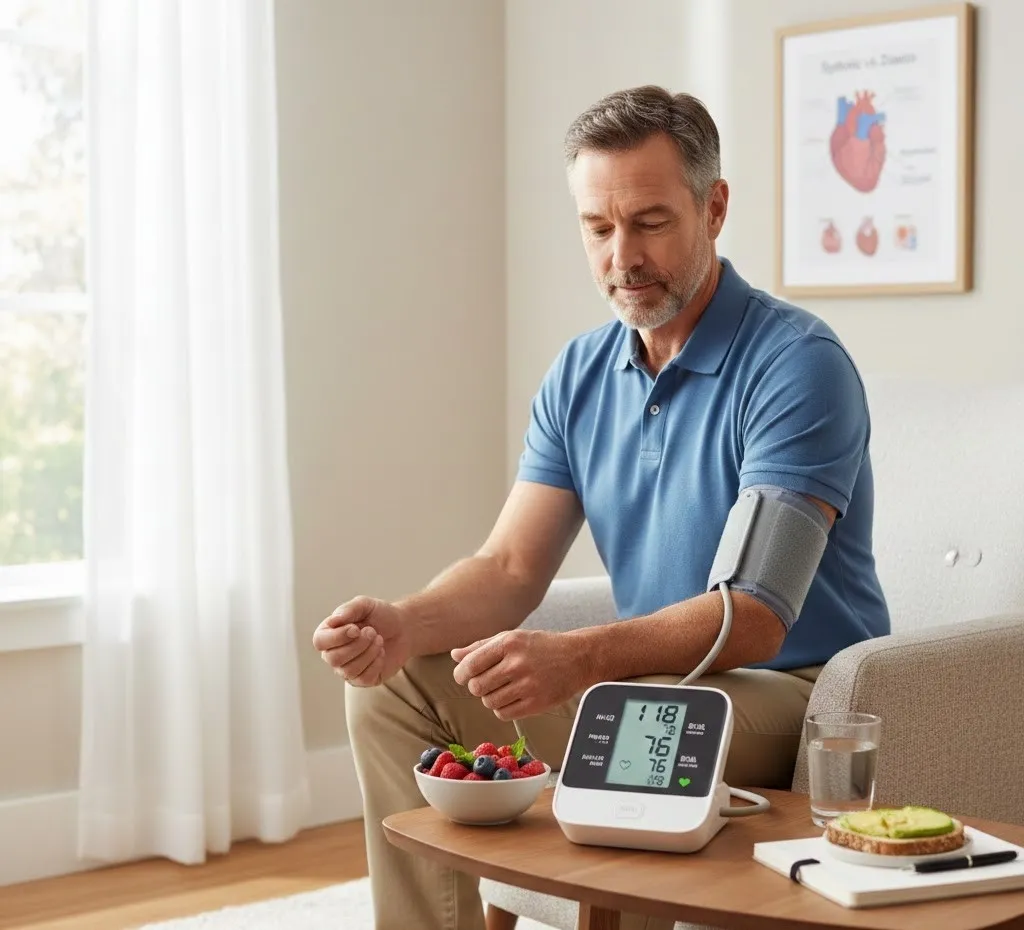
Regular monitoring is crucial for managing hypertension, as it allows you to track the effectiveness of your treatment plan.
Tips for Accurate Home Monitoring:
- Use a Calibrated Cuff: Ensure your home device is correctly sized and regularly checked for accuracy.
- Measure Consistently: Take your readings at the same time(s) each day, such as in the morning and evening.
- Relax First: Sit quietly for 5 minutes with your feet flat on the floor, legs uncrossed, and your arm supported at heart level.
- Avoid Pre-Reading Triggers: Do not exercise, smoke, or consume caffeine within 30 minutes of measuring.
- Take Multiple Readings: Take two or three readings a minute apart and record the average.
The Phenomenon of White Coat Syndrome
Sometimes, a patient's blood pressure reading is high only when they are in a medical setting, but normal at home. This temporary spike due to anxiety is known as white coat syndrome. Home blood pressure monitoring is the best way to determine if a patient truly has hypertension or if their readings are merely a reaction to being in the clinic. Consistent elevated home readings are what truly define hypertension.
In summary, decoding your systolic vs. diastolic numbers is an empowering act of self-care. By understanding the hypertension stages, addressing the high blood pressure causes, and working toward achievable blood pressure goals through proven methods like the DASH diet and diligent monitoring, you can effectively manage this silent risk and protect your long-term health.