Master the 2026 algorithm: why 5-9 seconds drives reach, 60 seconds builds authority, and why you must avoid the "dead zone" to maximize your watch time.
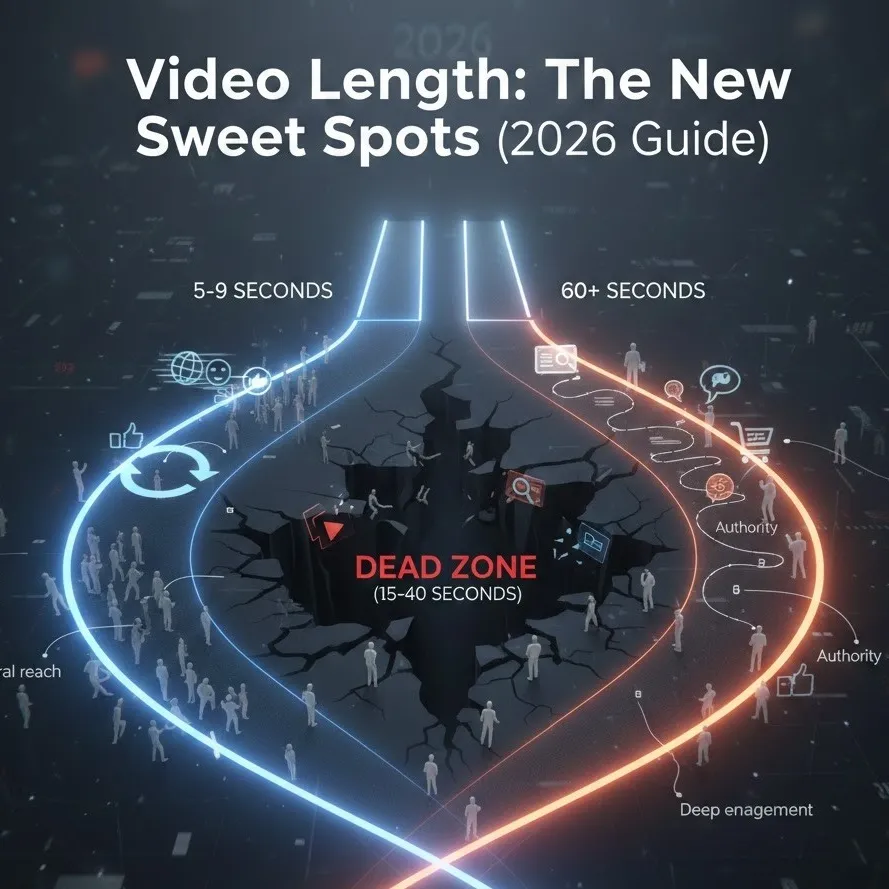
Video Length: The New Sweet Spots (2026 Guide)
In the rapidly evolving landscape of 2026, the "one-size-fits-all" approach to video production has officially been retired. Digital algorithms, driven by sophisticated AI models like Gemini and GPT-5, have shifted their focus from simple view counts to nuanced user satisfaction metrics. To capture the spotlight on platforms like TikTok, Instagram Reels, and YouTube Shorts, creators must now master two distinct high-performance zones while navigating a treacherous middle ground.
Understanding the optimal video length is no longer about hitting a random number; it is about aligning your content with the specific psychological "mode" of your audience.
The Ultra-Short Surge: The 5-9 Seconds Powerhouse
In 2026, the most dominant force in short-form media is the micro-burst. Videos spanning just 5-9 seconds have become the primary engine for viral reach. Why? Because the algorithm rewards two specific behaviors above all else: Completion Rate and Replay Value.
- The Completion Loop: A video that is only 5-9 seconds long is almost impossible not to finish. High completion rates signal to the algorithm that the content is high-quality, triggering a massive push to new audiences.
- Psychology of the Loop: These videos often use "seamless loops," where the end of the video blends perfectly into the beginning. This tricks the viewer into watching 2 or 3 times before they realize it, effectively doubling or tripling your max watch time per view.
- Best Use Cases: Aesthetic transitions, quick-hit "POV" captions, visual "eye-candy," and high-impact reaction clips.
The Mid-Form Renaissance: 60 Seconds for Authority
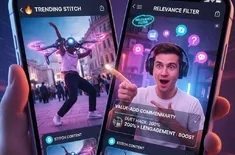
While the 7-second clip wins the reach game, the 60 seconds format is where the money is made. In 2026, TikTok and YouTube Shorts have pivoted to prioritize "Search-First Video." This means the algorithm is looking for content that actually answers a question or tells a full story.
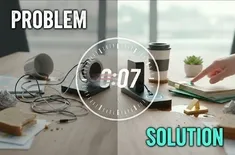
Videos that are 60 seconds long allow for a traditional narrative arc: the Hook, the Value, and the Call to Action (CTA).
- Engagement Depth: Longer videos generate higher "Intent Signals." A user who spends 65 seconds watching a tutorial is 10x more likely to click a link or follow a profile than someone who watched a 6-second meme.
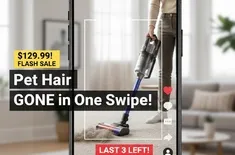
- Monetization Advantage: Platforms are increasingly favoring longer short-form content to accommodate mid-roll ads and native shopping features.
- Max Watch Time Strategy: For these videos, the goal shifts from "looping" to "retention." You must change the visual every 3-5 seconds (using B-roll, text overlays, or zooms) to keep the viewer from swiping away.
Beware the "Dead Zone": Why 15-40 Seconds Fails
The most dangerous territory for a creator in 2026 is the dead zone. This is the range roughly between 15 and 40 seconds.
In the dead zone, a video is too long to benefit from the "automatic replay" effect of the 5-9 seconds tier, but often too short to provide the deep value or storytelling found in 60 seconds content.
The Algorithmic Trap: If a viewer watches 20 seconds of a 30-second video and then swipes, your completion rate is only 66%. However, if they watch 20 seconds of a 70-second video, the algorithm sees "strong retention" even if they didn't finish.
The dead zone lacks a clear identity. It feels like "filler" to the modern viewer who is conditioned for either an instant hit or a deep dive. To find success, you must either cut the fluff to get under 10 seconds or expand your value to cross the 1-minute mark.
Summary Checklist for 2026 Video Success
- Analyze Your Hook: If your hook doesn't land in the first 1.5 seconds, the length doesn't matter.
- Pick Your Lane: Is this a "Reach" video (5-9 seconds) or a "Relationship" video (60 seconds)?
- Optimize for Max Watch Time: Use "Micro-Hooks" every 15 seconds in longer videos to reset the viewer's attention span.
- Avoid the Middle: Audit your analytics. If your 30-second videos are stalling, try cutting them down to 8 seconds or expanding the story to 65 seconds.