Explore how luxury vertical integration, from fashion to automotive
The Investment in Vertical Integration: Luxury Brands as Lifestyle Architects
In an era where possession is being rapidly eclipsed by experience, the world’s most prestigious conglomerates are undergoing a fundamental strategic shift. The traditional model of luxury, centered on the transactional sale of goods—be it a haute couture dress, a precision timepiece, or a high-performance vehicle—is no longer sufficient to secure long-term affinity and generational relevance. The new frontier is the complete ownership of the consumer’s high-end lifestyle, a strategy manifested through a massive investment in vertical integration across industries, primarily culminating in the lucrative world of hospitality.
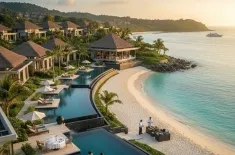
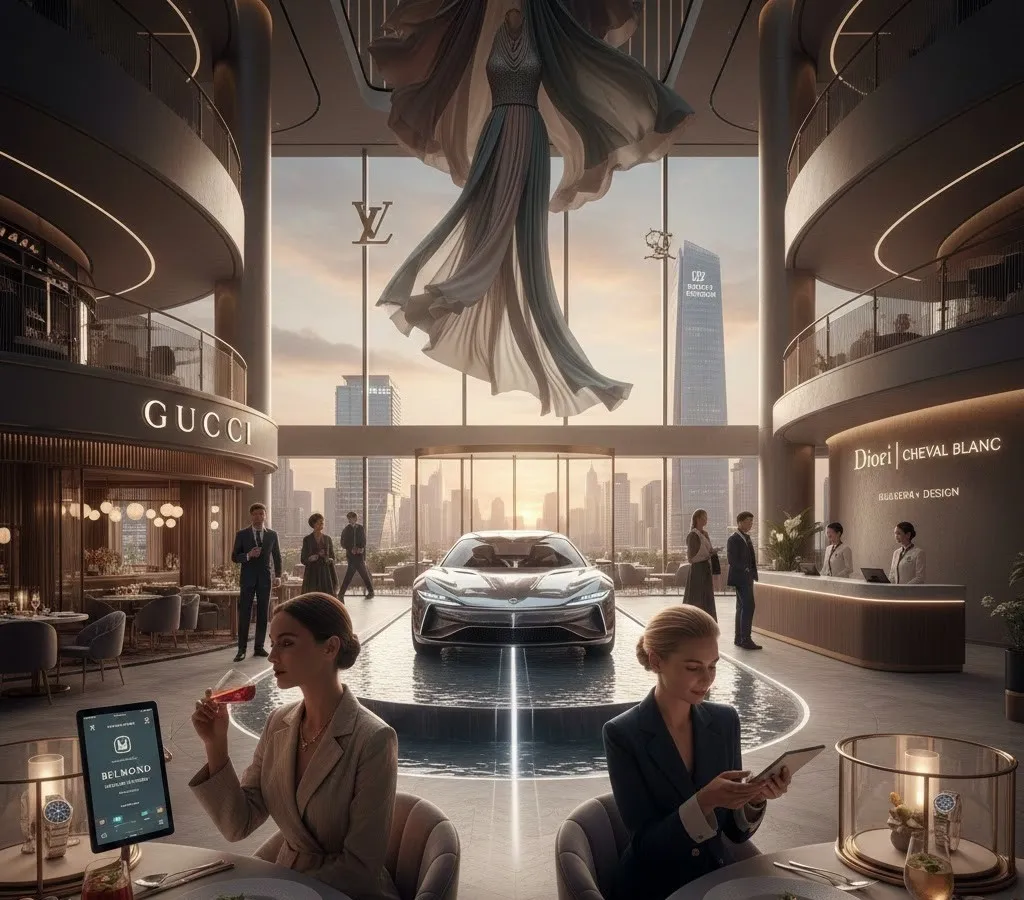
This deliberate move sees Fashion, automotive, and other luxury brands expanding into hospitality (hotels, restaurants) to own the entire customer lifestyle. The goal is not merely to diversify revenue but to create a ubiquitous, multi-sensory universe where the brand’s ethos is lived, breathed, and consumed. This is the dawn of the brand experience ecosystem, a meticulously controlled environment designed to capture the end-to-end customer journey.
The Strategic Imperative: Why Luxury Must Go Deeper
The drive toward Luxury vertical integration is fueled by several powerful market forces, all pointing to the rising value of experiential luxury over material goods.
1. The Experience Economy and Shifting Consumer Values
For High-net-worth individuals (HNWI), mere acquisition has lost its power to impress. The new status symbols are bespoke travel, exclusive access, and authentic, curated moments. The search results confirmed that a significant percentage of HNWIs believe that dining and hotel luxury brand extensions positively impact their perception of the core fashion or beauty brand.
From Storytelling to Story-Living: Brands have moved past simply telling their story on a billboard or in a boutique. By investing in a hospitality acquisition (whether partnering or owning outright), they invite the client to live the story. A guest at an Armani Hotel doesn't just buy a suit; they sleep in the brand's minimalist aesthetic, dine on its curated menu, and experience its service philosophy 24/7.
The Power of Time: The time a consumer spends in a store is minutes. The time spent in a branded hotel is days. This extended period offers unparalleled opportunities for deep immersive brand experience and building emotional connections that far surpass traditional retail interactions.
2. Controlling the End-to-End Customer Journey
Luxury vertical integration gives a brand complete command over every touchpoint in the customer’s interaction, from the initial digital discovery to the final post-stay follow-up. Control over this end-to-end customer journey allows luxury groups to maintain absolute consistency in quality, service, and aesthetic—the non-negotiable pillars of prestige.
If a luxury customer stays at a Cheval Blanc (LVMH), dines at a Gucci Osteria, and enjoys a Dior Spa treatment, the entire customer lifecycle is contained within the family of brands. This level of control ensures:
- Aesthetic Cohesion: Every element, from the scent in the lobby to the stitching on the bed linens, reflects the parent brand’s DNA.
- Data and Personalization: The invaluable data collected across the hospitality touchpoints (dietary preferences, preferred pillow firmness, requested travel itineraries) enables radical personalization for future interactions, both within the hotel and in the primary retail store. Nothing is more exclusive in the modern luxury sphere than a truly bespoke experience.
- Brand Affinity and Loyalty: An impeccable stay converts a consumer from a customer into an advocate. This strengthens brand loyalty and elevates the Brand Prestige across the entire portfolio.
The Architecture of the Brand Experience Ecosystem
The expansion into hospitality takes various forms, with the most successful ventures leveraging strategic partnerships to balance brand authenticity with operational expertise.
Case Study 1: Fashion’s Full Immersion
Fashion houses are leading the charge in hospitality acquisition and partnerships, aiming to translate their design ethos into a tangible lifestyle.
| Brand Example | Hospitality Venture | Integration Strategy |
|---|---|---|
| LVMH (Louis Vuitton Moët Hennessy) | Cheval Blanc Hotels, Belmond Group | Full Conglomerate Vertical Integration: Owns the entire Belmond portfolio (trains, hotels, cruises) and develops its ultra-luxury Cheval Blanc urban resorts. This strategy controls the ultimate luxury travel experience. The Dior Spa at Cheval Blanc is a prime example of internal cross-pollination, seamlessly integrating the beauty division into the hotel experience. |
| Bulgari | Bulgari Hotels & Resorts | Strategic Partnership: Collaborates with Marriott International for operational excellence (Ritz-Carlton management) while maintaining complete control over the design, concept, and Italian craftmanship aesthetic. This is a classic example of a successful luxury brand extension that maintains high operational standards. |
| Gucci | Gucci Osteria da Massimo Bottura | Boutique F&B Vertical Integration: Opening high-end, chef-driven restaurants in key cities (Florence, LA, Seoul). This venture is a lower-risk entry point than a full hotel, using gastronomy to create an accessible, yet high-end, immersive brand experience that is perfectly aligned with the brand's maximalist aesthetic. |
| Armani | Armani Hotels & Resorts | Pure Aesthetic Integration: Designed entirely by Giorgio Armani himself, the properties in Dubai and Milan embody the brand’s minimalist elegance, providing a complete immersion into the Armani lifestyle, from architecture to furniture. |
Case Study 2: Automotive and Other Brands’ Lifestyle Expansion
The convergence of luxury is not limited to fashion. Automotive, and other luxury brands expanding into hospitality are also leveraging this strategy, translating their core values—precision, design, and performance—into physical spaces.
- Automotive Brand Lifestyle Expansion: Brands like Porsche and Bugatti are expanding into branded residences, where the design and aesthetic of the vehicle inspire the architecture and interiors of high-end real estate. While not always pure hospitality, these residences function as an extended-stay, permanent immersion in the brand, creating a permanent, aspirational brand experience ecosystem. The same principles apply to their private lounges and VIP areas at major events, extending the exclusivity beyond the showroom.
- Watchmaking: Audemars Piguet established the Hôtel des Horlogers in Switzerland, a venture that ties the meticulous craft of horology to a physical experience. This allows clients to engage with the brand's heritage and values in a dedicated, contemplative environment, converting a purchase into a pilgrimage.
The Payoffs of Vertical Integration: New Revenue Streams and Market Dominance
While the prestige and customer loyalty benefits are substantial, the economic rationale for this level of luxury vertical integration is compelling, offering significant new revenue streams.
1. Enhanced Pricing Power and Revenue Diversification
Hospitality ventures are inherently profit-generating entities. A successful hospitality acquisition can yield high-margin revenue that is counter-cyclical to fashion retail. When customers are cutting back on discretionary fashion purchases, they might still seek a high-end, memorable dining or travel experience. The ability to charge premium rates—a price premium—for a branded experience is significant. For example, a branded suite or a specialty restaurant often commands a higher price than a comparable, non-branded offering, purely due to the brand’s cultural capital.
2. Marketing and Retail Synergy
The hotel becomes the ultimate, living retail space—the largest possible flagship store.
- Passive Retail: Everything a guest touches or sees—from the robes to the glassware to the furniture—is a potential, passively advertised, and immediately purchasable retail item. This blurs the line between experience and transaction, making the purchase feel like a memento of an exquisite time rather than a simple retail transaction.
- VIP Engagement: The hotel environment serves as a private, highly controlled venue for launching new collections, hosting exclusive fashion shows, or arranging private High-net-worth individual consultations. This strengthens the sense of exclusivity and provides "money can't buy" experiences that cement brand loyalty.
3. Future-Proofing the Brand’s Narrative
By moving into lifestyle and hospitality, luxury brands are ensuring their survival against disruptive forces. In a digital world saturated with products, the truly scarce commodity is an authentic, memorable, and exclusive experience.
This strategic direction allows luxury groups to own their entire brand storytelling process. Every interaction in the hotel, from the check-in to the final farewell, reinforces the core brand narrative. The result is a richer, more resilient brand identity that can attract not only the traditional older client but also the younger, affluent demographic—the Gen Z and Millennial experiential luxury consumer who prioritizes moments and authenticity over pure materialism.
Conclusion
The shift by Fashion, automotive, and other luxury brands expanding into hospitality (hotels, restaurants) to own the entire customer lifestyle is far more than a passing trend; it is the definitive strategic model for 21st-century luxury. The comprehensive investment in vertical integration through hospitality acquisition is not a deviation from the core business, but a sophisticated expansion of the brand experience ecosystem.
The ultimate objective is simple: to control the end-to-end customer journey and transform every client interaction into a seamless, immersive brand experience. By doing so, these brands secure unparalleled customer data, diversify their new revenue streams, and solidify a dominant position in the controlling the customer lifecycle—a position that is both profitable and future-proof in an increasingly experience-driven world. The luxury item is no longer the final product; the luxury lifestyle itself is the product, and the brands are becoming the architects of that life.