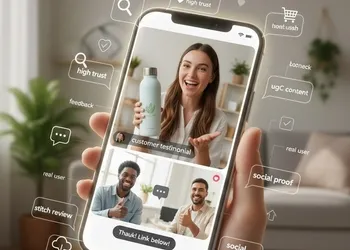
Learn to create viral, humorous skits under 25 seconds
The Art of the Micro-Skit: Mastering Fast-Paced, Relatable Comedy
In the current digital landscape, attention is the most valuable currency. With the rise of TikTok, Instagram Reels, and YouTube Shorts, the window to capture an audience's interest has shrunk to mere seconds. The most successful creators have mastered the art of humorous skits that clock in under 25 seconds—a format that demands precision, timing, and an innate understanding of human relatability.
By focusing on relatable comedy, creators can turn everyday frustrations into viral gold. Whether it’s the struggle of "corporate speak" or the universal dread of a Monday morning, short-form video allows you to mirror your audience’s life back to them with a wink and a nudge.
Why Under 25 Seconds? The Science of the "Quick Hook"
The 25-second limit isn't just a technical constraint; it’s a psychological one. In a world of infinite scrolling, a viewer decides whether to stay or swipe within the first 1.5 seconds.
The Anatomy of a Micro-Skit
- The Hook (0-3s): Immediate visual or auditory signal of the topic.
- The Context (3-15s): Setting the scene through a familiar struggle.
- The Punchline (15-22s): The subversion of expectations.
- The Quick Resolution (22-25s): A sharp exit that leaves the viewer wanting to hit "replay."
A quick resolution is vital. If a skit drags on for even five seconds too long, the comedic timing evaporates. The goal is to deliver the "joke" and exit before the viewer has a chance to look at the progress bar.
The Power of "Expectation vs. Reality"
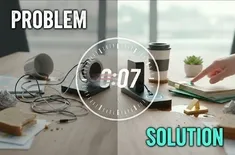
One of the most enduring and effective frameworks for relatable comedy is the expectation vs reality trope. This format works across every niche imaginable—from fitness and parenting to software engineering and high-fashion.
Why It Works
It plays on the gap between how we wish our lives looked and the messy, chaotic truth of how they actually are. This gap is where humor lives.
Example (Fitness Niche): Expectation: Someone gracefully drinking a green smoothie in a clean kitchen. Reality: The blender lid flying off, green liquid everywhere, and the person eating a slice of cold pizza instead.
Leveraging Industry Jokes for Niche Authority
If you are a B2B creator or a professional in a specific field, industry jokes are your secret weapon for building a community. These are "inside jokes" that only people in your specific world will understand.
When you post a skit about a "Reply All" email mishap or the pain of a "quick sync" that lasts two hours, you aren't just making people laugh—you are proving that you are "one of them." This builds immense trust and brand loyalty.
Common "Industry Joke" Archetypes:
- The Over-Optimistic Client: Promising a project in two days that takes two months.
- The Tech Fail: When the demo works perfectly in rehearsal but crashes during the live presentation.
- The Corporate Jargon Overload: Using phrases like "synergistic alignment" to say "we're working together."
From Pain Point to Shareable Content
The goal of creating humorous skits is not just views, but shares. People share content that makes them feel seen. When a viewer thinks, "This is exactly what my life is like," they immediately send it to a friend or colleague.
How to Identify Your Niche's Pain Points:
- Read the Comments: What are people complaining about in your industry’s forums?
- Listen to "Watercooler" Talk: What do you and your peers vent about during lunch?
- Reverse the Solution: Take the "benefit" of your product or service and show the hilarious disaster that happens without it.
Production Tips for Fast-Paced Skits
You don't need a Hollywood budget to create viral skits. In fact, "lo-fi" production often feels more authentic and relatable on social media.
- The "Jump Cut": Use rapid cuts to keep the energy high. Removing breaths and pauses makes the dialogue feel snappy.
- Text Overlays: Use on-screen text to establish the "Expectation" and "Reality" labels so you don't have to waste precious seconds explaining it verbally.
- Audio Trends: Use trending sounds, but put your own unique spin on them to fit your niche.
Would you like me to generate the SEO meta title and description for this content as well?